
Jewish Ideas About God
Explore the breadth of Jewish theology through this interactive resource. Examine what individual thinkers believed about ten core topics, or compare how different thinkers approached a single theme across time and place. You can learn more about each thinker at the bottom of this page.
Click on a theologian to see their thoughts on the 10 core topics.
Or click on a topic to see the breadth of thought from the different thinkers.
Who are these people?
The thinkers and theologians featured above reflect a wide range of perspectives within Jewish thought about God. But who are they, and when and where did they live? Here is a brief biography of each figure (in order of when they lived), followed by which of the 10 theological categories (from the theology quiz) they fall into.
*Note: You'll notice that there are very few women in this list. Women's voices have only recently been published and accepted in Jewish academia. Women's voices are crucial to the development of Jewish theology, and we are proud to lift them up.

200-700, Babylon/Jerusalem
The Talmudic rabbis, also known as the Sages, compiled and debated the teachings of the Oral Torah, shaping Jewish law and theology through the Mishnah and the Talmud.
Theological frameworks:
- Classical Rabbinic Theology

1040-1105, France
Rashi was a medieval Jewish scholar known for his comprehensive commentaries on the Torah and Talmud, which clarified and explained Jewish law and scripture. He combined deep respect for tradition with clear, insightful explanations that continue to guide Jewish study today.
Theological frameworks:
- Classical Rabbinic Theology
- Covenant Theology

1075-1141, Spain
Judah haLevi emphasized divine revelation and the unique spiritual role of the Jewish people. He is celebrated for blending deep religious devotion with a strong sense of Jewish identity and nationalism.
Theological frameworks:
- Covenant Theology
- Classical Rabbinic Theology

1632-1677, Netherlands
Baruch Spinoza is known for his pantheistic view of God, seeing God as identical with the natural universe and rejecting the traditional personal God of classical Judaism. His rationalist philosophy challenged conventional religious beliefs and laid the groundwork for modern secular and humanist thought.
Theological frameworks:
- Panentheism
- Rationalist Theology
- Humanist Theology

1729-1786, Germany
Moses Mendelssohn laid the groundwork for modern Jewish thought by promoting the compatibility of Jewish tradition along with Enlightenment values. He is best known for advocating religious tolerance, reason, and the importance of cultural integration while maintaining Jewish identity.
Theological frameworks:
- Rationalist Theology
- Covenant Theology

1808-1888, Germany
Samson Raphael Hirsch developed the philosophy of Torah im Derech Eretz, which advocates harmonizing traditional Jewish observance with engagement in secular society. He argued for the primacy of halakha (Jewish law) as the basis of Jewish identity and community.
Theological frameworks:
- Classical Rabbinic Theology
- Rationalist Theology
- Covenant Theology

1842-1918, Germany
Hermann Cohen was one of the founders of Neo-Kantianism. He emphasized ethical monotheism, arguing that Judaism’s concept of God underpins a universal moral law that fosters justice and compassion in human society.
Theological frameworks:
- Rationalist Theology
- Humanist Theology

1865-1935, Griva/Israel
Abraham Isaac Kook was a leading rabbi, mystic, and philosopher known for blending traditional Jewish thought with modern ideas. He emphasized the spiritual significance of the Jewish people returning to their homeland and saw redemption as a gradual, unfolding process that integrated all aspects of life, including the secular.
Theological frameworks:
- Hasidic/Kabbalistic Mysticism
- Covenant Theology

1878-1965, Germany/Israel
Martin Buber is best known for his philosophy of dialogue and the concept of “I-Thou” relationships, emphasizing a direct, personal encounter with the divine and others. He focused on the immediacy of spiritual experience and the relational nature of faith.
Theological frameworks:
- Modern Jewish Existential Theology

1886-1929, Germany
Franz Rosenzweig emphasized the dynamic and relational nature of faith, highlighting the dialogue between God, humanity, and the world. He focused on the personal encounter with God through community, revelation, and lived experience.
Theological frameworks:
- Modern Jewish Existential Theology
- Post-Holocaust Theology

1903-1993, USA
Joseph B. Soloveitchik is known for integrating traditional Jewish law with modern philosophy. He emphasized a deeply personal and dialectical relationship with God, balancing faith and doubt, and highlighted the covenantal bond between God and the Jewish people.
Theological frameworks:
- Rationalist Theology
- Classical Rabbinic Theology
- Modern Jewish Existential Theology

1906-1995, Lithuania/France
Emmanuel Levinas centered his philosophy on the infinite responsibility to the Other, which he linked deeply to a sense of the divine. His work reframes the relationship with God primarily through ethics and human relationships, emphasizing the face-to-face encounter as a manifestation of the divine presence.
Theological frameworks:
- Modern Jewish Existential Theology
- Humanist Theology
- Post-Holocaust Theology

1908-1992, Romania/Israel
Eliezer Berkovits focused on the challenges of faith in the modern world, especially after the Holocaust. He emphasized the idea of a covenantal relationship with God based on human responsibility and moral choice, insisting on the ongoing partnership between God and humanity.
Theological frameworks:
- Post-Holocaust Theology
- Covenant Theology

1924-2014, USA
Zalman Schachter-Shalomi pioneered Jewish renewal, blending traditional Jewish mysticism with contemporary spirituality. He emphasized experiential, transformative encounters with the Divine and sought to revitalize Jewish practice by making it more inclusive and spiritually vibrant.
Theological frameworks:
- Hasidic/Kabbalistic Mysticism
- Panentheism
- Humanist Theology

1928-2015, USA
Michael Wyschogrod emphasized that the Jewish people, as a physical and historical community, embody God’s presence in the world. He argued that God’s covenant with Israel is not just a spiritual or abstract relationship, but is made real through the actual, living Jewish community
Theological frameworks:
- Covenant Theology
- Classical Rabbinic Theology
- Rationalist Theology

1933-2015, France/Israel
Aharon Lichtenstein was known for integrating rigorous Talmudic scholarship with ethical sensitivity and engagement with general culture. He emphasized the moral and spiritual refinement that comes through halachic life. His thought presents a model of committed, intellectually open Orthodoxy grounded in covenant, responsibility, and ethical seriousness.
Theological frameworks:
- Covenant Theology
- Modern Jewish Existential Theology

1934-1983, USA
Aryeh Kaplan sought to bridge traditional Jewish mysticism with contemporary thought. His writings emphasized the transformative power of spiritual practice and the importance of mitzvot (commandments) as a pathway to a closer relationship with God.
Theological frameworks:
- Hasidic/Kabbalistic Mysticism
- Rationalist Theology
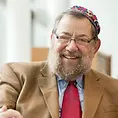
1941-present, USA
Arthur Green weaves together Hasidic and Kabbalistic thought with modern spiritual sensibilities. He explores God as an ineffable, all-encompassing presence that invites human beings into a dynamic relationship of seeking and becoming.
Theological frameworks:
- Hasidic/Kabbalistic Mysticism
- Panentheism
- Modern Jewish Existential Theology

1943-present, USA
Rachel Adler is a leading Jewish feminist theologian whose groundbreaking work reexamines traditional Jewish texts and rituals through the lens of gender and social justice. She critiques patriarchal structures in Jewish law and practice, proposing new models of covenant and community that include the voices and experiences of women.
Theological frameworks:
- Modern Jewish Existential Theology
- Liberation Theology
- Covenant Theology

1947-present, USA
Judith Plaskow is a pioneering feminist theologian who challenges traditional patriarchal interpretations of Judaism. Her work focuses on advocating for gender equality and reimagining Jewish theology through the lens of liberation and personal identity.
Theological frameworks:
- Liberation Theology
- Process Theology

1952-2024, USA
Marc H. Ellis pioneered the development of a Jewish theology of liberation, integrating insights from Latin American liberation theology with Jewish thought. He sought to reframe Jewish identity and ethics in light of historical trauma and contemporary struggles for justice, a vision of Jewish faith rooted in solidarity with the oppressed.
Theological frameworks:
- Liberation Theology

1959-present, USA
Bradley Artson integrates contemporary scientific insights from cosmology, quantum physics, evolutionary theory, and neuroscience into a dynamic view of God, Torah, mitzvot, and ethics. He understands God as engaging with the world, gently influencing creation toward the most positive and meaningful outcome.
Theological frameworks:
- Process Theology

USA
Mara Benjamin explores how everyday relationships—especially caregiving and dependency—can serve as central sites of religious meaning and divine encounter. Her theology emphasizes vulnerability, interdependence, and responsibility, reframing Jewish life around care, embodiment, and moral responsiveness rather than abstract belief.
Theological frameworks:
- Covenant Theology
- Modern Jewish Existential Theology
- Liberation Theology

882-942, Egypt/Iraq
Saadia Gaon worked to reconcile rational philosophy with Jewish tradition. He defended of rational monotheism and his insistence on the incorporeality of God, arguing that God cannot be compared to any physical being or object
Theological frameworks:
- Rationalist Theology
- Classical Rabbinic Theology
- Covenant Theology

1050-1120, Spain
Bachya ibn Pekudah emphasized the importance of developing a personal, internal relationship with God through introspection, intention, and ethical living. He taught that faith and practice should be rooted in both outward actions and inward devotion.
Theological frameworks:
- Rationalist Theology
- Covenant Theology

1135-1204, Spain
Moses Maimonides, also known as Rambam, is best known for his rationalist approach to theology, emphasizing that God’s attributes cannot be understood literally and that reason and faith are compatible. He sought to harmonize Jewish tradition with Aristotelian philosophy.
Theological frameworks:
- Rationalist Theology
- Classical Rabbinic Theology

1700-1760, Eastern Europe
The Baal Shem Tov was the founder of Hasidism, a movement that emphasized joyful worship, mysticism, and the immanence of God in everyday life. He taught that a deep, heartfelt connection to God was accessible to all Jews, not just scholars.
Theological frameworks:
- Hasidic/Kabbalistic Mysticism
- Panentheism

1745-1994, Global
Chabad-Lubavitch is a Hasidic movement that emphasizes both mystical and practical aspects of Judaism. It focuses on the divine immanence and transcendence (panentheism) expressed through Hasidic/kabbalistic mysticism, as well as a strong sense of mission to bring Jews closer to God through mitzvot, study, and outreach.
Theological frameworks:
- Hasidic/Kabbalistic Mysticism

1819-1900, Czechia/USA
Isaac Mayer Wise was instrumental in founding the Reform Movement in the United States, championing a modern, progressive approach to Judaism that emphasized ethical teachings and adaptability.
Theological frameworks:
- Rationalist Theology
- Humanist Theology
- Modern Jewish Existential Theology

1861-1947, UK/USA
Alfred North Whitehead is considered one of the founders of process theology. Though not Jewish, his ideas about God as a dynamic, evolving force in the universe have influenced Jewish process theology.
Theological frameworks:
- Process Theology

1873-1956, Poland/UK
Leo Baeck emphasized the ethical and spiritual resilience of the Jewish people, especially in the face of suffering and persecution. He is known for his profound reflections on faith, hope, and the covenantal relationship with God during times of crisis.
Theological frameworks:
- Post-Holocaust Theology
- Modern Jewish Existential Theology
- Covenant Theology

1881-1983, USA
Mordecai Kaplan was a founder of Reconstructionist Judaism who redefined Judaism as an evolving religious civilization. He emphasized community, culture, and ethics over traditional theistic beliefs, viewing God more as a force or process than a personal deity.
Theological frameworks:
- Humanist Theology
- Process Theology

1903-1993, Germany/ USA
Hans Jonas is known for his work on existentialism, ethics, and theodicy, deeply engaging with questions about God, human responsibility, and the meaning of suffering, especially in the shadow of the Holocaust. His thought explores the limits of human knowledge about God and emphasizes ethical responsibility in a complex world.
Theological frameworks:
- Post-Holocaust Theology
- Process Theology

1903-1994, Latvia/Israel
Yeshayahu Leibowitz argued that the essence of religious life is strict commitment to halacha as an act of serving God, rejecting any attempt to ground faith in emotion, nationalism, or divine reward. A fierce critic of religious nationalism, he insisted that Judaism demands obedience to God alone—not the sanctification of the state, history, or human experience.
Theological frameworks:
- Covenant Theology
- Rationalist Theology

1907-1972, USA
Abraham Joshua Heschel whose work deeply emphasized spirituality, the prophetic tradition, and the experiential relationship with God. He highlighted the importance of awe, wonder, and social justice, seeing God as intimately involved in human history and ethical action.
Theological frameworks:
- Modern Jewish Existential Theology
-Hasidic/Kabbalistic Mysticism
- Liberation Theology

1916-2003, Germany/Israel
Emil Fackenheim was a Holocaust survivor whose theology centered on the profound rupture of the Shoah. He argued that Jews are commanded to continue Jewish life and identity, not to grant Hitler a posthumous victory. He grapples with faith after catastrophe, insisting that Jewish existence, responsibility, and covenant must endure even in the shadow of incomprehensible evil.
Theological frameworks:
- Post-Holocaust Theology
- Modern Jewish Existential Theology
- Covenant Theology

1924-2016, USA
Eugene Borowitz reconciled traditional Jewish belief with contemporary philosophy and ethics. He emphasized a personal, covenantal relationship with God grounded in human freedom and responsibility, often engaging with existential questions in a modern context.
Theological frameworks:
- Covenant Theology
- Modern Jewish Existential Theology
- Humanist Theology

1931-2013, USA/Israel
David Hartman emphasized the importance of pluralism and modern engagement with Jewish tradition. He argued for a living, evolving Judaism that is both faithful to halakha (Jewish law) and responsive to contemporary ethical challenges, advocating for a Judaism that encourages dialogue and diversity rather than uniformity.
Theological frameworks:
- Rationalist Theology
- Covenant Theology
- Humanist Theology

1933-present, USA
Yitz Greenberg explores the meaning of the covenant, human dignity, and the challenges of Jewish life in the modern world. His work often grapples with the relationship between God and humanity after historical tragedies and addresses the ethical and theological questions that arise from them.
Theological frameworks:
- Post-Holocaust Theology
- Covenant Theology

1935-2023, USA
Harold Kushner explored how to find meaning and comfort in the face of suffering, loss, and tragedy. His writings grapple with the problem of evil and human suffering from a deeply pastoral perspective.
Theological frameworks:
- Post-Holocaust Theology
- Humanist Theology
- Modern Jewish Existential Theology

1943-present, USA
Larence Kushner is known for making mystical teachings accessible to modern readers, focusing on personal spiritual growth and God’s immanence. He sees God as present in everyday life, finding the divine spark in each human being, and believes that spiritual growth happens through direct experiences of wonder, relationship, and learning.
Theological frameworks:
- Hasidic/Kabbalistic Mysticism
- Panentheism
- Modern Jewish Existential Theology

1943-present, USA
Elliot Dorff is known for his work in Jewish law and ethics. His writings explore how Jewish tradition addresses contemporary moral and ethical dilemmas, particularly around bioethics and community responsibility.
Theological frameworks:
- Rationalist Theology
- Process Theology
- Classical Rabbinic Theology

1943-present, USA
Jonathan Sacks worked to bridge traditional Jewish thought with contemporary ethical and philosophical issues. His work highlights the enduring relationship between God and the Jewish people, while also exploring themes of moral responsibility and communal ethics.
Theological frameworks:
- Covenant Theology
- Classical Rabbinic Theology
- Modern Jewish Existential Theology

1958-present, Israel
Donniel Hartman advocates for a Judaism deeply rooted in ethical responsibility, pluralism, and open dialogue. He believes that faith must engage with modernity by balancing tradition with reason, encouraging critical thinking and moral reflection.
Theological frameworks:
- Rationalist Theology
- Covenantal Theology

1969-present, USA
Jill Hammer is renowned for her innovative integration of mysticism, feminist theology, and earth-based practices within Jewish tradition. She is instrumental in reimagining Jewish spirituality, making it more inclusive, mystical, and attuned to the natural world.
Theological frameworks:
- Hasidic/Kabbalist Mysticism
- Panentheism
- Humanist Theology
Talmudic Rabbis
200-700, Babylon, Classical Rabbinic Theology
God as Creator & Creation Itself
God is the ultimate Creator - the One who spoke the world into being. Creation is not just something God did, it’s something that establishes God’s unique role. This act is a source of divine authority, and it's why God is often referred to with titles that highlight power over the universe; creation is somehow held within or sustained by God, but is not identical to God.
Where is God?
God does not live in the world the way other beings do; rather, the world only exists within God. God’s presence is most noticeable in certain situations, such as when people come together to study, seek truth, or pursue justice. God shows up in relationships, in conversations filled with purpose, in moments of kindness or humility.
Purpose of Torah
God’s guiding instruction for how humans should live—shaping moral, spiritual, and communal life. It served as both the blueprint for creation and the covenantal path through which Israel fulfills its relationship with God.
Evil, Sin, & Suffering
Evil, sin, and suffering arise from multiple sources—human misuse of free will, the yetzer hara (the inclination toward selfishness), and the unpredictability built into the world. Suffering can be a consequence of wrongdoing, but they also acknowledge innocent suffering and allow space for protest, viewing it at times as a divine mystery, a test, or an opportunity for growth and repentance rather than a simple punishment.
Science, Knowing, & Reason
They valued human reason and empirical observation, frequently using logic, debate, and experience to interpret the world. They believed that scientific or natural knowledge and Torah knowledge could coexist, but where they conflicted, Torah provided the ultimate moral and spiritual framework for understanding reality.
God's Personality
God is very anthropomorphised; The Talmudic rabbis describe God with a rich and multifaceted personality: compassionate, patient, and just, yet also capable of anger, grief, and disappointment. They speak of God as deeply relational (rejoicing with Israel, weeping over human suffering, arguing with prophets, and yearning for repentance), portraying a God who is emotionally engaged with the world and responsive to human actions.
Prayer
The Talmudic rabbis viewed prayer as a practice that could shape both belief and character, hoping that its sentiments would become the foundation of faith. Prayer was to be performed at specific times and, ideally, in sacred places, reinforcing structure and communal identity. They believed that prayer and fasting have real efficacy, capable of influencing divine compassion and circumstances, but only when offered with focus, sincerity, and passion rather than as rote recitation.
Signs, Miracles, & Intervention
The Talmudic rabbis acknowledged signs, miracles, and divine intervention, but they treated them cautiously and interpretively rather than as literal explanations for every unusual event. Miracles are seen as rare expressions of God’s power, often meant to teach, guide, or inspire faith, rather than to replace human responsibility or natural causality. God’s intervention is understood as relational and purposeful—responding to prayer, repentance, or moral action—emphasizing that divine involvement is intertwined with human effort rather than arbitrary or capricious.
Redemption &
the Messiah
Believed in the coming of a human, Davidic descendant called the Mashiach (Messiah) who would restore the Jewish people to their land, rebuild the Temple in Jerusalem, reestablish the Davidic monarchy, and bring an era of peace, justice, and knowledge of God
Covenant, Halacha,
& Revelation
For the Talmudic rabbis, the covenant establishes God’s relationship with Israel, and halacha expresses this relationship through law and practice. Revelation, especially at Sinai, provided the Torah as a living guide, continually interpreted and applied through study, debate, and ethical action.
Saadia Gaon
882-942, Egypt/Iraq, Rationalist Theology, Classical Rabbinic Theology, Covenant Theology
God as Creator & Creation Itself
Affirms God as the absolute Creator, who brought the universe into being from nothing (creatio ex nihilo) and sustains it continuously. He emphasizes that creation is orderly and purposeful, reflecting God’s wisdom and divine plan, and that the natural world operates according to rational laws established by God, making creation both intelligible and morally meaningful.
Where is God?
God is wholly other than creation; God’s essence is beyond human comprehension and cannot be compared to anything in the created world; wholly transcendent, but present in all things through divine knowledge and power, but not physically located anywhere; rejected all anthropomorphism and insisted they are metaphors.
Purpose of Torah
The Torah serves as the divinely revealed guide that instructs humanity in moral, religious, and ethical living. It provides the framework for understanding God’s will, cultivating virtue, and aligning human behavior with the divine order inherent in creation.
Evil, Sin, & Suffering
Sin is a result of free will - humans are responsible for their choices. He rejected the idea of senseless suffering, maintaining that God is always just, even when we don't understand it.
Science, Knowing, & Reason
There are two complementary paths to religious truth: reason and revelation. Reason is essential for understanding creation, guiding ethical behavior, and keeping superstition in check, while revelation—especially prophecy—allows humans to know God’s will directly. Both are necessary and mutually reinforcing in attaining true knowledge of God and the divine order.
God's Personality
God’s absolute unity (the concept of "Yichud") means that God is not divisible or composed of parts, and God's nature cannot be broken down into different attributes or qualities that would suggest a complex personality; God’s essence is simple, pure, and indivisible; God is unchanging and eternal; cannot describe God's "feelings" because God does not feel like humans do
Prayer
Viewed prayers of gratitude as rational expressions of recognition for God’s providence, while the religious aspect—the proper way to offer those prayers—reflects ritual, devotion, and ethical intention. In other words, the content is guided by reason, and the form by religious practice.
Signs, Miracles, & Intervention
Affirmed belief in biblical miracles, but did not see them as violations of natural law; argued that miracles are part of God's original plan for the world - pre-programmed exceptions rather than disruptions; miracles are proof of God’s power and purpose, often meant to reinforce the truth of prophecy or Torah.
Redemption &
the Messiah
Strongly affirmed belief in the Messiah as a fundamental principle of Jewish faith; believed in a literal, future messianic age, including the return of Jews to the Land of Israel, the resurrection of the dead, and the rebuilding of the Temple; the Messiah will be a human leader, not divine.
Covenant, Halacha,
& Revelation
Revelation is necessary - two ways to religious truth: reason and revelation and BOTH are essential; revelation is needed because not everyone can arrive at truth by mere speculation; categorized mitzvot as either rational (like justice) or revealed (like kashrut), but both are divinely commanded and necessary.
Rashi
1040-1105, France, Classical Rabbinic Theology, Covenant Theology
God as Creator & Creation Itself
The creation story is theological and political - it establishes God’s authority as Creator and thereby legitimizes God’s authority to assign the land of Israel to the Jewish people.
Where is God?
God is both transcendent and immanent: God is beyond the physical universe yet intimately involved in it, sustaining and governing creation. While God is not confined to any place, Rashi often emphasizes God’s presence in history and in the lives of Israel, revealing a relational and active engagement with the world.
Purpose of Torah
Torah’s purpose is to guide human behavior, teaching law, ethics, and proper worship, while also preserving the covenantal relationship between God and Israel. It provides practical instruction for daily life and moral conduct, grounded in the divine will and interpreted through careful study and commentary.
Evil, Sin, & Suffering
Sin is the violation of God’s commandments, with disobedience leading to natural or divinely ordained consequences. Suffering can be interpreted as a form of punishment, a corrective measure, or a test from God, intended to prompt repentance and ethical realignment.
Science, Knowing, & Reason
Rashi does not extensively discuss science or natural philosophy, but he values human reason primarily as a tool for interpreting Scripture and understanding God’s law. Knowledge of the natural world is subordinate to Torah study, and reason is used to clarify textual meaning, resolve apparent contradictions, and derive ethical and legal principles.
God's Personality
He portrays God as fatherly, compassionate, and emotionally engaged with humanity, especially Israel. God’s justice is balanced by mercy, and the relationship with the Jewish people is intimate and covenantal—often likened to a parent-child or marital bond—highlighting both love and loyalty.
Prayer
Prayer is required; a core expression of a Jew's relationship with God; prescribed, structured, and deeply connected to specific times and places; a means to request, praise, and thank God, but also a way to demonstrate faith and humility.
Signs, Miracles, & Intervention
God actively guides, responds to, and reveals God’s self through historical events—not just miracles, but through the rise and fall of nations, exiles and returns, suffering and redemption.
Redemption &
the Messiah
Affirms the belief in the coming of the Messiah - a human descendant of King David who will gather the exiles of Israel, rebuild the Temple in Jerusalem, restore Jewish sovereignty and justice, and usher in a time of peace and recognition of God; redemption is political, spiritual, and national; the culmination of God’s covenant with the Jewish people.
Covenant, Halacha,
& Revelation
Covenant is not just a theological idea but a living relationship that explains history, redemption, and divine favor; halacha as divine instruction, emerging from revelation at Sinai and interpreted through the Oral Torah; halachic observance is the primary way to live out the covenant and fulfill the divine will; both the Written Torah and the Oral Torah were revealed by God.
Bachya ibn Pekuda
1050-1120, Spain, Rationalist Theology, Covenant Theology
God as Creator & Creation Itself
God precedes creation as its first and only cause and brought the world into being ex nihilo, from nothing. Everything in creation reflects God’s wisdom, power, and unity, and the world was created intentionally and with purpose. Human beings were created to know God, serve God, and draw close to the Divine.
Where is God?
God is entirely transcendent and incorporeal, beyond space, time, and physical form. At the same time, God is immanent in the sense that His knowledge, providence, and creative power permeate all existence, sustaining and governing the universe while remaining utterly beyond it.
Purpose of Torah
The Torah’s purpose is to guide humans toward ethical and spiritual perfection, cultivating awareness of God and moral responsibility. It provides principles for righteous living, helping individuals align their actions, thoughts, and character with divine will.
Evil, Sin, & Suffering
He sees suffering as a test of faith and moral steadfastness, with God rewarding the faithful either in this life or the next. He also emphasizes that turning away from the revealed Law undermines ethical responsibility, leading a person to neglect both spiritual and moral duties.
Science, Knowing, & Reason
Reason is a key tool for recognizing and understanding God, and he seeks to harmonize rational knowledge of the natural world with the teachings of the Torah. For him, reason and revelation are complementary paths to truth, with science helping to illuminate the wisdom and order inherent in creation.
God's Personality
He emphasizes God’s unity, eternality, wisdom, power, and goodness, but clarifies that these are not separate attributes—they are human ways of describing the effects of God’s unified essence in the world. While God is utterly beyond human comprehension, Bachya insists that God can still be loved, worshiped, and trusted through devotion, ethical action, and recognition of divine providence.
Prayer
It's a central and spiritual act; prayer must come from the heart - mechanical or rote prayer is insufficient; true prayer is a dialogue with God, rooted in love, humility, awe, and reliance; a way to align oneself with God's will, rather than to persuade God to change reality; gratitude and acknowledgment of Divine unity are core to sincere prayer.
Signs, Miracles, & Intervention
He emphasizes God’s omnipotence, teaching that all events and outcomes are ultimately determined by God’s will. Miracles and interventions are expressions of this divine power, but even natural occurrences reflect God’s continuous governance and purposeful design of the universe.
Redemption &
the Messiah
Accepts the concept of redemption as part of traditional Jewish belief, but does not delve into specifics. He is more focused on personal spiritual redemption—how the soul can return to God, fulfill its purpose, and attain closeness with the Divine.
Covenant, Halacha,
& Revelation
The covenant is binding and it is our duty to obey God. There are certain ethical responsibilities that transcend one's specific religious community, but God has shown special love for the Jewish people by revealing a more extensive system of laws and precepts. Obedience flows from a sense of gratitude.
Judah HaLevi
1075-1141, Spain, Covenant Theology, Classical Rabbinic Theology
God as Creator & Creation Itself
God is the sole Creator, who brought the universe into being ex nihilo and continuously sustains it. He emphasizes that creation reflects God’s wisdom and glory, and that the natural world, while finite and temporal, serves as a manifestation of the divine order and purpose, pointing humanity toward recognition of and devotion to God.
Where is God?
He sees God as both deeply transcendent and immanent, particularly in the lives of the Jewish people. God’s presence is most clearly revealed through the covenant, the Torah, and historical events, rather than through abstract philosophy or purely rational reasoning, emphasizing a relational and experiential understanding of the divine.
Purpose of Torah
Torah is divinely revealed, immutable, and central to Jewish life and identity. Its purpose is to guide the Jewish people in fulfilling their covenantal relationship with God, serving not merely as a book of law but as the very medium through which God’s will is revealed and the Jewish people are bound to the Divine.
Evil, Sin, & Suffering
Sin occurs when individuals deviate from God’s commandments, leading to spiritual alienation and suffering. Such suffering can be redemptive, guiding people toward a deeper connection with God, and repentance (teshuva) is central to restoring that relationship and overcoming the consequences of sin.
Science, Knowing, & Reason
He acknowledged the limited capacity of human reason in matters of faith and the divine, valuing reason but insisting that theological truth is ultimately revealed rather than discovered through rational or scientific inquiry. True knowledge of God is attained through lived experience of faith, study of the Torah, and spiritual practice.
God's Personality
HaLevi portrays God as compassionate, faithful, and deeply involved in the spiritual and historical life of Israel. God is both transcendent and immanent, guiding the Jewish people while remaining beyond human comprehension, and is intimately concerned with their moral and religious fidelity. This combination of transcendence, immanence, and relational care is central to his depiction of God.
Prayer
Prayer is the primary means for Jews to connect with God, fostering a personal and heartfelt relationship with the Divine. He emphasizes expressive devotion and the intensity of the heart’s engagement over mere ritual recitation. Prayer also reinforces the collective identity of the Jewish people, allowing them to live out and sustain their covenant with God, making it both an individual and communal act that unites and sustains Israel.
Signs, Miracles, & Intervention
God is actively involved in history, particularly in guiding and sustaining the Jewish people. Miracles and signs are expressions of this divine involvement, demonstrating God’s presence, reinforcing faith, and ensuring the fulfillment of the covenant.
Redemption &
the Messiah
The coming of the Messiah (Moshiach) is a central goal of Jewish faith, who will redeem the Jewish people, restore the kingdom of Israel, and establish peace. The messianic vision is both historical and political, not purely spiritual or otherworldly: it entails the restoration of Israel as a sovereign nation governed by God’s law.
Covenant, Halacha,
& Revelation
All laws that specify practice in the land of Israel are suspended in the Diaspora. The Jewish people's performance of the commandments both affirms God's sovereignty over creation and reinforces the special relationship enacted by the covenant. The commandments are evidence of God's love for Israel.
Moses Maimonides (Rambam)
1135-1204, Spain, Rationalist Theology, Classical Rabbinic Theology
God as Creator & Creation Itself
God is the cause of all existence and created the world ex nihilo (from nothing). The purpose of creation is to manifest God’s wisdom and provide a framework for human moral and intellectual development. While creation reveals God’s existence and attributes such as wisdom and power, it does not reveal God’s essence, which remains beyond human comprehension.
Where is God?
God is entirely transcendent and incorporeal, not present in any physical location. God is beyond space and time, existing independently of the created world, and cannot be comprehended directly by human senses or imagination. Knowledge of God comes through intellectual understanding of His attributes and the effects of His actions in creation, rather than through physical presence or anthropomorphic imagery.
Purpose of Torah
The Torah’s purpose is to guide humans toward intellectual, moral, and spiritual perfection. It provides a framework for ethical conduct, rational understanding of God, and the cultivation of virtue, helping people align their lives with divine wisdom and achieve their highest potential.
Evil, Sin, & Suffering
He identifies three types of evil: illness and other natural afflictions, the human desire to dominate or harm others, and individual bad habits or vices. These forms of suffering are consequences of natural processes or human actions, not an independent force opposing God’s will, and they exist as challenges through which humans can exercise moral responsibility and cultivate virtue.
Science, Knowing, & Reason
Science is the study of God’s effects in the world rather than God’s essence. Human language is inadequate to describe God directly, so we should avoid anthropomorphic descriptions. Only individuals of exceptional intellect who have rigorously trained their minds can attain true understanding of God, perceiving divine reality without imagining God as a person.
God's Personality
We cannot make affirmative statements about God, as doing so would limit the divine; this approach is known as negative (or negation) theology. God is not composed of parts or attributes in a human sense, so we cannot describe God as having qualities like wisdom or mercy in the same way humans possess them—any apparent attributes refer only to God’s effects in the world, not God’s essence.
Prayer
The highest form of prayer is intellectual contemplation of God, which involves deeply focusing the mind on divine truths. This type of prayer requires careful preparation, moral refinement, and disciplined study, rather than relying solely on ritual recitation or emotional expression.
Signs, Miracles, & Intervention
Miracles are possible but rare, occurring within the framework of God’s orderly and divinely willed creation. They do not suspend natural law arbitrarily; rather, they are exceptional events that God has incorporated into the overall plan of creation.
Redemption &
the Messiah
The Messiah (Mashiach) will be a descendant of King David - a wise, righteous human leader; he will restore Jewish sovereignty and reestablish Torah law and observance in Israel. He explicitly rejects the idea that the Messiah will perform miracles or be supernatural.
Covenant, Halacha,
& Revelation
He sees the commandments (mitzvot) as tools for human perfection, guiding moral and intellectual development. Observing them helps cultivate virtue and discipline, ultimately enabling certain individuals to attain the highest level of contemplation and understanding of God.
Baruch Spinoza
1632-1677, Netherlands, Panentheism, Rationalist Theology, Humanist Theology
God as Creator & Creation Itself
Spinoza rejects the idea of a temporal creation event altogether—God did not create the world in time. Instead, God is the one infinite, eternal substance, and everything that exists is simply a mode (expression) of God’s nature. The biblical “7 days of creation” is not a scientific account, but a moral, symbolic narrative suited to the imagination of the masses rather than to philosophical truth.
Where is God?
God is not a being located anywhere—God is the totality of existence itself, identical with Nature (Deus sive Natura). Everything that exists is an expression of God's infinite substance, so God is everywhere in the sense that nothing exists outside God.
Purpose of Torah
The Torah is not divine revelation in a supernatural sense; it is a historical, political, and moral constitution created to shape the ancient Israelite nation, promote social stability, and move people toward ethical action. Its commandments are meant to cultivate obedience, justice, and communal cohesion, not to teach metaphysics or scientific truth.
Evil, Sin, & Suffering
Evil is not an objective reality but simply what humans call things that harm or frustrate them; in nature itself, nothing is “evil.” Sin is not a violation of God’s will, since God does not command or judge. Sin is merely disobedience to human laws that maintain social order. Suffering comes from natural causes or from inadequate understanding, not divine punishment. As people grow in rational understanding and align themselves with nature’s order, their suffering decreases and their freedom increases.
Science, Knowing, & Reason
Reason is the highest path to truth, far superior to tradition or revelation. True knowledge comes from understanding the necessary, logical structure of nature, which is identical with God. Science and rational inquiry reveal God’s essence more faithfully than scripture, which speaks in symbolic and imaginative language for the masses. Human freedom and virtue grow as we increase our rational understanding of the world.
God's Personality
God has no personality, emotions, will, or intentions—all such traits are human projections. God is simply the infinite, impersonal substance of nature itself, the lawful, necessary flow of reality.
Prayer
Traditional petitionary prayer is meaningless because God does not respond, change, or intervene. Since God has no will or emotions, prayer cannot influence events. The only real form of prayer is the intellectual love of God, achieved through understanding nature and living in harmony with it.
Signs, Miracles, & Intervention
Miracles are simply natural events that people fail to understand, not violations of nature. Since God is nature and its laws never change, true supernatural intervention is impossible. Misinterpreting unusual events as “miracles” reflects human ignorance, not divine action.
Redemption &
the Messiah
Spinoza rejects the traditional belief in a personal, miraculous Messiah. For him, redemption is the restoration of Jewish dignity, freedom, and ethical living, particularly through justice and communal sovereignty. The Messiah is reinterpreted as a symbol of humanity’s moral and intellectual development, rather than a literal historical figure.
Covenant, Halacha,
& Revelation
He rejects supernatural revelation; what the Torah presents as divine communication reflects human authorship and historical context, not literal messages from God. The covenant is a social and political construct, an agreement between the Jewish people and their leaders to maintain communal order, rather than a metaphysical bond with God. The commandments are tools for social cohesion and ethical behavior, meaningful within the historical context of ancient Israel, not eternal divine law.
Baal Shem Tov (Hasidut)
1700-1760, Eastern Europe, Hasidic/Kabbalistic Mysticism, Panentheism
God as Creator & Creation Itself
He emphasizes that God is the source and life-force of all creation, continuously sustaining and animating the world. Creation is sacred, and everything in existence contains sparks of divine energy. Human awareness of this divine presence allows one to reveal holiness in the world through spiritual practice.
Where is God?
God is immanent, present in all things, and can be encountered anywhere, even in the simplest elements of daily life. One can access God through heartfelt devotion, mindfulness, and ethical action. While God is present in the mundane, His essence remains ultimately transcendent and beyond full human comprehension.
Purpose of Torah
The Torah serves as a guide to spiritual and ethical life, providing instruction for revealing God in the world. Its commandments and narratives are not only legal or historical but also tools for cultivating a personal, intimate relationship with God (deveikut). Observing Torah with joy and devotion elevates both the practitioner and the surrounding world.
Evil, Sin, & Suffering
Sin arises when individuals forget their connection to God, disrupting harmony with divine will. Suffering can serve as a corrective or transformative force, awakening the soul to spiritual truth. Evil is often understood as a concealment of God’s presence rather than an independent force, and recognizing this allows one to restore holiness in the world.
Science, Knowing, & Reason
The Baal Shem Tov values inner, spiritual knowledge over purely intellectual understanding. Reason and study are useful, but true wisdom comes from direct experience of God and insight into the divine sparks in creation. Mystical and experiential knowledge enables one to live in alignment with God’s will.
God's Personality
God is loving, compassionate, and intimately involved in the lives of humans. He rejoices with the righteous and responds to sincere prayer, displaying a personal, relational dimension. God’s interactions with the world are not mechanical but guided by love, providence, and concern for human spiritual growth.
Prayer
Prayer is a direct, heartfelt dialogue with God and a primary means of connecting with the divine. The Baal Shem Tov emphasizes sincerity, emotion, and intention over formal correctness. Even simple, spontaneous prayer can reach God when offered with devotion and awareness of divine presence.
Signs, Miracles, & Intervention
Miracles are manifestations of God’s active presence in the world, revealing the hidden divine order. The Baal Shem Tov teaches that miracles occur not only in extraordinary events but also in subtle, everyday moments of divine revelation. Human actions aligned with holiness can invite divine intervention and reveal God’s power.
Redemption &
the Messiah
Redemption is both communal and personal, involving the restoration of spiritual awareness and closeness to God. The Messiah embodies the ultimate fulfillment of God’s plan, bringing peace, spiritual illumination, and the rectification of the world. Human devotion and spiritual work contribute to hastening redemption by uplifting the sparks of holiness in creation.
Covenant, Halacha,
& Revelation
The covenant connects the Jewish people to God, emphasizing a relational and spiritual bond rather than solely legalistic adherence. Halacha guides ethical and spiritual life but must be lived with joy, devotion, and intention. Revelation is a dynamic process, experienced individually and communally, making the divine accessible to those who cultivate mindfulness, prayer, and righteousness.
Moses Mendelssohn
1729-1786, Germany, Rationalist Theology, Covenant Theology
God as Creator & Creation Itself
God is the Creator, the ultimate cause of all existence. Creation is purposeful and ordered, reflecting divine wisdom and providence. He emphasizes that human beings, as part of creation, are capable of moral and intellectual development in accordance with God’s plan.
Where is God?
God is omnipresent yet not confined to space or time. While fully transcendent, God is accessible to human understanding through reason, moral awareness, and engagement with creation. God’s presence is revealed in the order and rational structure of the universe rather than through mystical or hidden forces.
Purpose of Torah
The Torah serves as a moral and ethical guide, teaching humans how to live virtuously and in accordance with God’s will. Mendelssohn views it as a framework for cultivating character, justice, and social harmony. He emphasizes its rational and ethical message rather than miraculous or supernatural claims.
Evil, Sin, & Suffering
Evil results from human misuse of free will and failure to follow moral law. Sin is the deviation from ethical behavior and divine commandments, leading to moral and sometimes social consequences. Suffering can be a natural outcome of human actions or a challenge that encourages moral and spiritual growth.
Science, Knowing, & Reason
Mendelssohn highly values reason as the primary path to truth about God and the world. Rational inquiry and philosophical study are compatible with religious faith. Science and reason illuminate God’s wisdom in creation and enable humans to live ethically and understand divine law.
God's Personality
God is rational, just, and benevolent, but not anthropomorphic. While personal in the sense that God is morally concerned with human conduct, God does not have human emotions. Mendelssohn emphasizes God’s moral attributes and providence rather than mystical or emotional engagement.
Prayer
Prayer is a rational expression of devotion and moral awareness, rather than a tool to compel divine intervention. Mendelssohn emphasizes heartfelt reflection, ethical intention, and gratitude. Prayer cultivates moral discipline and strengthens the individual’s relationship with God.
Signs, Miracles, & Intervention
Miracles are rare and should be understood as extraordinary natural events rather than suspensions of natural law. God governs the universe according to rational principles, and divine “intervention” is best interpreted as events occurring in accordance with providential order. Mendelssohn discourages literalist interpretations of miraculous narratives.
Redemption &
the Messiah
Mendelssohn reinterprets redemption and the Messiah in rational, ethical terms. The Messianic era represents moral and social improvement, justice, and enlightenment rather than miraculous intervention. Human ethical action contributes to realizing the ideals of redemption.
Covenant, Halacha,
& Revelation
The covenant is a historical and moral relationship between God and Israel, grounded in reason and ethical responsibility. Halacha (Jewish law) is valuable insofar as it promotes virtue, social order, and rational obedience. Revelation is understood as the communication of ethical and moral truths suitable for human understanding, rather than as miraculous, literal dictation.
Chabad Lubavitch
1745-1994, Global, Hasidic/Kabbalistic Mysticism
God as Creator & Creation Itself
God is the singular, infinite Creator who continuously sustains all existence. Creation is not just a historical act but a constant divine process, with every element of reality infused with God’s energy. Humans can reveal God’s presence by elevating the material world through mitzvot and spiritual intention.
Where is God?
God is both transcendent and immanent, present within every part of creation yet beyond full human comprehension. Chabad teaches that God’s essence fills the world, and the divine presence can be accessed through study, prayer, and ethical action. Even the simplest physical act can serve as a conduit for connecting with God.
Purpose of Torah
The Torah provides the blueprint for creation, human purpose, and ethical life. Chabad teaches that it is both a guide and a tool for revealing Godliness in the world, connecting humanity to divine wisdom. Studying and living by the Torah is a central means of spiritual refinement and partnership with God. Torah is the interface between the infinite God and the finite world; the divine tool that enables us to draw Godliness into the physical realm, transforming the world and ourselves in the process.
Evil, Sin, & Suffering
Sin arises from forgetting one’s divine mission, and evil is the concealment of God’s presence. Suffering may result from human choices or serve as an opportunity for growth and spiritual correction. Chabad emphasizes teshuva (repentance) and conscious alignment with God as the path to overcome sin and elevate existence.
Science, Knowing, & Reason
Reason and intellectual understanding are valued as tools for comprehending creation and God’s wisdom. Chabad integrates rational study with mystical insight, teaching that knowledge of the natural and spiritual worlds can enhance one’s ability to serve God. Intellectual pursuit is most meaningful when it leads to ethical and spiritual action.
God's Personality
God is both hidden and revealed; at the highest level, God is Ein Sof – Infinite, utterly beyond human categories like “personality,” emotion, or even will. Paradoxically, melo kol ha'aretz kevodo - God's glory imbues all of reality. This tension between yesh (somethingness) and ayin (nothingness) is a constant balance beam—God manifests personality through the ten sefirot (channels through which God engages with creation), and these traits help us relate to God, and allow God to interact with the world in ways humans can comprehend.
Prayer
Prayer is a vital, personal, and communal means of connecting with God. Chabad stresses kavanah—focused intention and heartfelt devotion—as central to effective prayer. Prayer transforms the individual and the world, aligning human action with divine will. The goal of prayer is to dissolve a person's own sense of being, which is separate from God, into the greater unity—to become one with God's essence.
Signs, Miracles, & Intervention
Miracles are expressions of God’s presence within the natural order. Chabad teaches that divine influence is ongoing, often hidden within ordinary events, and that spiritual practice can invite the revelation of miracles. Human alignment with God can amplify these moments of divine intervention.
Redemption &
the Messiah
In modern Chabad thought, redemption is the central theological focus and is seen as both imminent and human-driven. Every mitzvah, act of kindness, and moment of Torah study helps build the world toward redemption. The Messiah (Moshiach) is a real person, a descendant of King David, who will gather the exiles, rebuild the Temple, and bring peace and divine knowledge to the world. Chabad teaches living with “Moshiach consciousness”, acting as if redemption is already unfolding in our time.
Covenant, Halacha,
& Revelation
In Chabad thought, the covenant is ontological, as every Jew possesses a divine soul (nefesh Elokis) inherently bound to God, even if unrecognized. Halacha is treated with utmost seriousness, serving as a channel for divine light—observance brings Godliness into the physical world. Revelation is ongoing, with the Torah as revealed wisdom and Hasidic/Kabbalistic teachings representing deeper layers of that original divine light. Together, covenant, halacha, and revelation form the framework for connecting human action to God’s presence and purpose.
Samson Raphael Hirsch
1808-1888, Germany, Covenant Theology, Rationalist Theology, Classical Rabbinic Theology
God as Creator & Creation Itself
God created the world with moral purpose. Creation is an expression of God’s values and attributes, especially justice, compassion, and order. There is absolute separation between God and the created world; God is not in the world in the sense of being part of it—God is over and above it, sustaining it by God's will.
Where is God?
God is transcendent yet immanent in the moral and ethical order of the world. While not limited to space or time, God’s presence is manifest in human history, the natural order, and the fulfillment of ethical duties. Recognizing God requires moral perception and adherence to divine law.
Purpose of Torah
The Torah is the divinely revealed guide for ethical, religious, and social life. It provides humans with practical instruction to cultivate virtue, justice, and piety, enabling them to fulfill their covenantal responsibilities. Study and observance of the Torah are central to realizing God’s plan in the world.
Evil, Sin, & Suffering
The Torah is the divinely revealed guide for ethical, religious, and social life. It provides humans with practical instruction to cultivate virtue, justice, and piety, enabling them to fulfill their covenantal responsibilities. Study and observance of the Torah are central to realizing God’s plan in the world.
Science, Knowing, & Reason
Hirsch values reason and knowledge as tools to understand God’s creation and the ethical structure of the world. Science is compatible with faith when it illuminates the divine order, and rational inquiry is essential for moral and practical discernment. Faith and reason work together to cultivate ethical living and deeper understanding of God’s purpose.
God's Personality
God is just, compassionate, and purposeful, guiding human history according to a moral plan. Hirsch portrays God as relational in the sense of being concerned with human action and ethical conduct, but not anthropomorphic. God’s providence and guidance are revealed through the Torah, history, and ethical law.
Prayer
Prayer is a means of communicating with God, expressing devotion, gratitude, and moral awareness. Hirsch emphasizes sincerity, understanding, and ethical intention in prayer, not mere ritual recitation. Through prayer, humans align themselves with God’s moral and spiritual order.
Signs, Miracles, & Intervention
Miracles are extraordinary events that reveal God’s providential care and the moral order of the world. They are not arbitrary suspensions of natural law but serve as signs to guide and inspire faith. Human ethical conduct can align with divine purpose, bringing about meaningful outcomes.
Redemption &
the Messiah
Hirsch affirms the classical belief in a personal Messiah, a descendant of David who will rebuild the Temple and gather the exiles. Preparation for redemption lies in Torah observance, moral development, and the integrity of the Jewish community. He emphasizes that redemption begins internally, through the spiritual elevation of the Jewish people, rather than through force or premature nationalism. Hirsch is cautious about political Zionism, viewing ethical and religious growth as the foundation for ultimate redemption.
Covenant, Halacha,
& Revelation
The covenant is eternal, defining the moral and spiritual relationship between God and Israel. Halacha is the practical expression of this covenant, guiding ethical and ritual life. Revelation conveys God’s will and moral guidance, and careful study and observance allow humans to participate in God’s plan and elevate the world.
Isaac Mayer Wise
1819-1900, Czechia/USA, Humanist Theology, Rationalist Theology, Modern Jewish Existential Theology
God as Creator & Creation Itself
Wise affirms God as the Creator of the universe, but emphasizes the moral and ethical purpose of creation over metaphysical or mystical questions. Creation provides a framework for human moral development and social responsibility. God’s presence is expressed through the ethical order and the potential for human improvement.
Where is God?
God is both transcendent and immanent, guiding human affairs through ethical principles rather than intervening miraculously. Divine presence is recognized in the moral structure of the world and in human striving for justice and righteousness. God is accessible through study, ethical action, and communal life.
Purpose of Torah
The Torah is a moral and ethical guide, offering principles for living a life of virtue and justice. Wise emphasizes its ethical teachings over supernatural or ritualistic claims, seeing it as a source of wisdom for personal and communal improvement. Observance of Torah is a means of cultivating moral character and social harmony.
Evil, Sin, & Suffering
Evil arises from human misuse of free will and ignorance of ethical principles. Sin is a moral failing that disrupts personal and social order, while suffering is a natural consequence of human choices or circumstances. Wise emphasizes moral education and ethical responsibility as the remedy for evil and suffering.
Science, Knowing, & Reason
Wise strongly values reason, education, and rational inquiry. Scientific knowledge is compatible with faith and enhances understanding of the ethical and natural order created by God. Reason and study are essential for moral development and interpreting the Torah in a practical, ethical way.
God's Personality
God is moral, wise, and just, concerned with human ethical behavior and the improvement of society. Wise rejects anthropomorphic or mystical portrayals, emphasizing God’s guidance through the ethical and social laws embedded in creation. God’s “personality” is revealed in the moral order and human responsibility to uphold it.
Prayer
Prayer is an expression of moral reflection, gratitude, and ethical intent rather than a tool for miraculous intervention. Wise emphasizes sincerity, personal devotion, and alignment with ethical living as central to meaningful prayer. Communal prayer reinforces social cohesion and moral responsibility.
Signs, Miracles, & Intervention
Wise interprets miracles as symbolic or allegorical, not as literal suspensions of natural law. Divine influence is expressed through the moral and ethical order of the world rather than supernatural interventions. Human ethical action aligns with God’s plan and brings about meaningful outcomes.
Redemption &
the Messiah
Wise interprets redemption and the Messiah in moral and ethical terms. The Messianic era represents the restoration of justice, ethical living, and communal improvement, rather than a miraculous or supernatural event. Human ethical effort, education, and social reform help bring about this moral redemption.
Covenant, Halacha,
& Revelation
The covenant is a moral and ethical relationship between God and the Jewish people, emphasizing social and spiritual responsibility. Halacha guides ethical living and communal order, interpreted flexibly to meet contemporary needs. Revelation conveys timeless ethical and moral truths rather than miraculous dictates, and its purpose is to instruct humanity toward virtue, justice, and the improvement of society.
Hermann Cohen
1842-1918, Germany, Rationalist Theology, Humanist Theology
God as Creator & Creation Itself
Creation is not about how the world began, but about the foundation of moral order. The biblical idea of creation represents the origin of law, justice, and the ethical relationship between humans and God. Creation is ongoing—not in a mystical way (like in Hasidism), but in the sense that ethical progress is continuous.
Where is God?
God is not spatially located; God is transcendent as the source of moral law yet immanent in human ethical consciousness. God’s presence is revealed in moral order, justice, and the striving of humans toward ethical perfection. The divine is accessed primarily through moral awareness and rational reflection.
Purpose of Torah
Torah is a guide to ethical monotheism. The Torah provides the ethical and moral framework for human life. Cohen emphasizes its role in cultivating justice, righteousness, and ethical responsibility, rather than ritualistic or mystical observance. Study of the Torah is a rational and moral endeavor, guiding individuals toward the realization of ethical ideals.
Evil, Sin, & Suffering
Evil and sin result from human failure to live ethically and follow the moral law. Suffering is understood as a consequence of ethical failings or social disorder rather than divine punishment. Humans are called to rectify injustice and cultivate moral behavior to overcome evil.
Science, Knowing, & Reason
Reason and rational inquiry are central for understanding both God and the moral order. Cohen emphasizes the compatibility of religion and philosophy, asserting that ethical truths revealed by reason complement the moral teachings of the Torah. Knowledge is a tool for ethical action and moral progress.
God's Personality
God is the ultimate moral ideal, embodying justice, wisdom, and ethical perfection rather than human-like personality traits. God’s “personality” is manifest through the moral law and ethical order in creation. Humans relate to God through moral striving and adherence to ethical principles.
Prayer
Prayer is a moral and ethical act, expressing devotion, gratitude, and commitment to justice. Cohen stresses ethical intention and reflection over ritualistic repetition. Prayer aligns the individual with divine ethical ideals and strengthens moral consciousness.
Signs, Miracles, & Intervention
Miracles are not literal suspensions of natural law; they are symbolic expressions of divine ethical power. God’s “intervention” is understood as the manifestation of moral principles in human history, rather than supernatural events. Humans contribute to the realization of divine purpose by acting ethically.
Redemption &
the Messiah
Redemption is a moral and ethical process rather than a supernatural or miraculous event. The Messianic era represents the fulfillment of justice, righteousness, and ethical ideals in society. Human moral effort, education, and social reform are essential in bringing about this ethical redemption.
Covenant, Halacha,
& Revelation
The covenant is ethical and moral, establishing humanity’s obligation to live justly and cultivate righteousness. Halacha embodies practical ethical guidance rather than supernatural command, and its observance fosters moral and social development. Revelation conveys rational and ethical truths, teaching humans how to actualize justice and moral ideals in the world.
Alfred North Whitehead
1861-1947, UK/USA, Process Theology
God as Creator & Creation Itself
He rejects the idea of God as an omnipotent creator who brings the world into existence ex nihilo (out of nothing). God and the world are co-eternal, and creation is an ongoing process of becoming. Creation is not a one-time event—it’s continuous and relational.
Where is God?
God is both immanent and transcendent—not located in a place but is present in every moment as a "primordial" presence, offering possibilities to every occasion of experience who feels and is affected by all that happens. God is everywhere where process is occurring, deeply embedded in the unfolding of the world.
Purpose of Torah
Torah is not a static set of divine decrees, but a cultural crystallization of divine ethical, aesthetic, and relational possibilities offered to a community seeking greater harmony. It's a processive revelation, a record of how a people have historically responded to the divine call toward justice, beauty, and peace.
Evil, Sin, & Suffering
Evil is not willed by God, it emerges from discord, chaos, or missed potential in the process of becoming. Sin could be interpreted as choosing lesser possibilities over richer ones, failing to co-create beauty and harmony. God is not the cause of suffering but the one who suffers with the world and seeks to redeem it through creative transformation.
Science, Knowing, & Reason
Science is a valid and important mode of knowing, but he believed rationality must be integrated with aesthetic, ethical, and spiritual insights; science and religion are not inherently opposed—both explore the structure of reality, albeit through different lenses.
God's Personality
God is not a person in the anthropomorphic sense, but personal in that God relates to and is affected by the world. God has feelings, purpose, and responsiveness. God is love, not in a detached, sovereign way, but in a vulnerable, co-suffering, persuasive way.
Prayer
Prayer is not about petitioning an omnipotent being to intervene, but is attuning oneself to divine possibilities, aligning with the flow of creative transformation. It's relational - a means of communion with God, where both the person and God are subtly affected
Signs, Miracles, & Intervention
He resists the idea of divine "intervention" in a supernatural sense; God works persuasively within the natural order rather than overriding it. What might be seen as miracles are intensifications of possibility, moments where divine influence has been most fully realized.
Redemption &
the Messiah
Redemption is an ongoing process of healing and becoming, not a one-time act; the idea of a "Messiah" could be interpreted symbolically - as the emergence of a new epoch of creative harmony, where divine aims become more fully embodied in history.
Covenant, Halacha,
& Revelation
Covenant is the ongoing relationship between God and the community, grounded in mutual responsiveness. Halacha is then a dynamic practice, a way the Jewish people participate in divine creativity. Revelation isn’t a closed event, but a continuous process in which God offers new possibilities and wisdom in every moment.
Abraham Isaac Kook
1865-1935, Griva/Israel, Hasidic/Kabbalistic Mysticism, Covenant Theology
God as Creator & Creation Itself
God is both the Creator and immanent within creation. He viewed the entire world as imbued with divine purpose, and he saw the process of creation as a reflection of God's infinite creativity. Creation is not separate from God but is part of an unfolding divine plan.
Where is God?
God is both transcendent and immanent, meaning God is beyond human understanding yet also present within creation. God’s presence is everywhere, even in the material world, and one can experience the divine through spiritual elevation and inner contemplation.
Purpose of Torah
Torah is both a divine revelation and a guide to spiritual and moral growth. It represents the unfolding of God's will in the world, and by observing it, one aligns oneself with the divine plan. It's a means to sanctify the world, elevating the physical and material toward the spiritual.
Evil, Sin, & Suffering
Suffering could have a redemptive purpose, leading to spiritual elevation and the ultimate realization of divine unity. Sin was a result of human imperfection, but ultimately, everything in creation, including evil, is part of God’s plan for spiritual growth.
Science, Knowing, & Reason
He is open to the relationship between science and religion, and believed that the rational and scientific exploration of the world could coexist with religious faith. He saw the search for knowledge as part of God’s divine plan, where science reveals the structure of the world, while religion offers spiritual insight into its meaning.
God's Personality
God is a transcendent and unknowable being, but also a personal God with whom one can have a deep, spiritual relationship. God is both immanent and personal, and human beings could experience God's presence in their lives through prayer, contemplation, and righteous actions.
Prayer
Prayer is a powerful means of spiritual connection with God, not just a form of supplication but a way to elevate the soul and align oneself with the divine will. It's a way to sanctify the world and all of creation, and he encouraged both personal and communal prayer.
Signs, Miracles, & Intervention
The whole world is filled with evidence of divine providence. He's open to the idea of miracles and divine intervention in the world, although he saw the natural world and the laws of nature as a manifestation of God’s will. Miracles are moments when God’s presence becomes more manifest or when divine providence intervenes in human history.
Redemption &
the Messiah
He has a strong belief in the coming of the Messiah, but saw redemption as a gradual process of spiritual and moral awakening. The return of the Jewish people to the land of Israel and the restoration of Jewish sovereignty were part of the messianic process, and ultimately, redemption would bring the entire world into a state of peace and divine harmony.
Covenant, Halacha,
& Revelation
Covenant is a divine promise that shaped the Jewish people’s relationship with God. Halacha is not just a set of legal rules but a means of sanctifying life and bringing the divine into everyday experience. Revelation is an ongoing process, with the Torah serving as the foundation, but with room for spiritual growth and new insights.
Leo Baeck
1873-1956, Poland/UK, Post-Holocaust Theology, Modern Jewish Existential Theology, Covenant Theology
God as Creator & Creation Itself
God is the ultimate source of existence and moral order rather than a literal creator in a scientific sense. Creation reflects divine purpose and invites humans to participate in ethical and spiritual development. Human action can actualize the potential inherent in creation, revealing God’s presence in the world.
Where is God?
God is both transcendent and immanent, accessible through ethical action, study, and spiritual reflection. Divine presence is experienced in moral deeds, communal life, and the pursuit of justice. God is not confined to physical location but is realized through human responsibility and engagement with the world.
Purpose of Torah
The Torah serves as a guide for ethical, spiritual, and communal life. Baeck views it as a living tradition that shapes moral character, social responsibility, and Jewish identity. Its ultimate purpose is to cultivate a relationship with God and to foster justice and righteousness in the world.
Evil, Sin, & Suffering
Evil and suffering arise from human freedom and moral failure rather than as a direct punishment from God. Sin disrupts ethical and social order, while suffering can inspire reflection, growth, and repentance. Humans are responsible for overcoming evil through ethical action and spiritual commitment.
Science, Knowing, & Reason
Baeck values reason, philosophical inquiry, and historical understanding as complementary to religious life. Knowledge and learning deepen appreciation for God’s moral and ethical order. Rational understanding supports ethical living and the interpretation of Jewish tradition in a modern context.
God's Personality
God is moral, just, and concerned with human ethical behavior. Baeck avoids anthropomorphic depictions, emphasizing God’s guidance through moral law, communal responsibility, and the covenantal relationship with Israel. Humans relate to God through ethical striving and devotion rather than imagining God as a human-like being.
Prayer
Prayer is a means of connecting with God, expressing ethical intent, gratitude, and spiritual reflection. Baeck emphasizes sincerity, moral awareness, and personal devotion over rote ritual. Communal prayer reinforces shared responsibility and ethical consciousness within the Jewish community.
Signs, Miracles, & Intervention
Miracles are symbolic expressions of God’s providence and ethical influence, rather than literal suspensions of natural law. God’s intervention is realized through moral and social processes that reflect divine justice and order. Human ethical behavior aligns with God’s purpose and can reveal the “miraculous” in ordinary life.
Redemption &
the Messiah
Baeck interprets redemption in both spiritual and historical terms. The Messianic era represents the fulfillment of justice, peace, and ethical responsibility in society. Human ethical, social, and communal efforts contribute to the realization of redemption, rather than relying on supernatural events.
Covenant, Halacha,
& Revelation
The covenant represents a moral and spiritual bond between God and Israel, emphasizing ethical obligations and communal responsibility. Halacha guides ethical living, community cohesion, and the pursuit of justice. Revelation conveys moral, spiritual, and ethical truths, intended to guide humans toward fulfilling God’s purpose in the world.
Martin Buber
1878-1965, Germany/Israel, Modern Jewish Existential Theology
God as Creator & Creation Itself
Buber does not focus on the mechanics of creation but emphasizes creation as the ongoing possibility of relationship between humans and God. Creation is continually renewed whenever a human being stands in genuine relation to another being, especially to the Divine. The world exists as the arena for encounter, dialogue, and ethical engagement.
Where is God?
God is encountered in the “I-Thou” relationship, present whenever one engages authentically with another person or with God. God is not located in a place or object but is revealed in the depth and quality of relational encounters. Human openness and responsiveness are the conditions for perceiving God’s presence.
Purpose of Torah
The Torah provides the ethical and spiritual framework for human life, offering guidance for genuine relational and moral encounters. Its purpose is not primarily legal or ritualistic but to cultivate the capacity for dialogue with God and others. Observing Torah helps individuals and communities realize the divine-human relationship in everyday life.
Evil, Sin, & Suffering
Sin arises when humans fail to live in right relation with God, themselves, or others. Suffering can signal relational disruption and call for ethical reflection and reconciliation. Human responsibility is central; redemption involves repairing relationships and restoring alignment with the divine.
Science, Knowing, & Reason
Buber values rational understanding but sees it as secondary to relational and existential knowledge. Reason can help understand the world, but the deepest truths about God and life are grasped through encounter, dialogue, and lived experience. Intellectual knowledge is limited compared to the immediacy of genuine relational awareness.
God's Personality
God is personal in the sense of being a partner in dialogue, responsive to genuine human engagement. God is relational rather than abstract or impersonal, revealing presence in ethical and spiritual interactions. God’s “personality” is understood through the quality of the encounter, not through human-like traits.
Prayer
Prayer is authentic dialogue with God, expressing openness, devotion, and responsiveness. It is less about ritual formulas and more about the relational attitude of the heart. Prayer creates and sustains the ongoing encounter between human and divine.
Signs, Miracles, & Intervention
Buber downplays literal miracles, emphasizing the miraculous as relational and existential, found in meaningful human encounters. God’s “intervention” is experienced when relationships and ethical actions reveal divine presence. Everyday life can manifest the extraordinary when seen through the lens of dialogue and ethical engagement.
Redemption &
the Messiah
Redemption is realized in the quality of human relationships and ethical responsiveness, rather than as a purely supernatural event. The Messianic ideal involves the restoration of authentic dialogue, ethical society, and communal spiritual awareness. Humans participate actively in bringing about redemption through moral and relational responsibility.
Covenant, Halacha,
& Revelation
The covenant represents the relational bond between God and the Jewish people, emphasizing ethical and spiritual responsibility. Halacha provides structure for living out these ethical and relational duties. Revelation is understood as God’s self-disclosure in history, narrative, and lived human experience, guiding people toward meaningful relationships and moral action.
Mordecai Kaplan
1881-1983, USA, Humanist Theology, Process Theology, Modern Jewish Existential Theology
God as Creator & Creation Itself
Kaplan rejects the notion of a supernatural, personal God who intervenes in creation. God is understood as the Power that makes for salvation or the force in the universe enabling human self-fulfillment and ethical living. Creation is an ongoing natural and historical process, expressed through nature and human progress.
Where is God?
God is not a personal being located somewhere in the universe but the creative force or power inherent in reality that inspires moral and spiritual growth. God’s presence is experienced in human action, social progress, and ethical achievement.
Purpose of Torah
The Torah is a cultural and ethical guide, shaping Jewish identity and community life rather than serving as divine revelation. Its commandments and narratives instruct moral living, social responsibility, and the development of communal cohesion. Kaplan emphasizes adapting the Torah’s teachings to contemporary ethical and social contexts.
Evil, Sin, & Suffering
Evil, sin, and suffering are consequences of human choices, ignorance, or social and natural conditions rather than expressions of divine punishment. Ethical development and education are essential to overcoming evil and minimizing suffering. Humans are responsible for improving the world through moral effort and social action.
Science, Knowing, & Reason
Kaplan places strong emphasis on reason, science, and historical knowledge as essential for understanding reality and guiding ethical action. Rational inquiry complements religious life and informs the ethical and cultural mission of Judaism. Knowledge empowers humans to fulfill their potential and contribute to social progress.
God's Personality
God is not a personal, anthropomorphic being. Kaplan portrays God as the impersonal power that inspires human self-realization and ethical striving, manifesting in history, culture, and human action.
Prayer
Prayer is meaningful when it expresses ethical intention and personal devotion, rather than petitioning a supernatural being for intervention. It is a practice that strengthens moral awareness, communal bonds, and commitment to ethical action.
Signs, Miracles, & Intervention
Kaplan rejects literal miracles and divine interventions. Events traditionally called miracles are understood as natural occurrences or human achievements imbued with symbolic significance. Divine influence is expressed through human moral and social efforts rather than supernatural acts.
Redemption &
the Messiah
Redemption is the ethical, cultural, and social progress of humanity, particularly the Jewish people, toward freedom, dignity, and justice. Kaplan rejects a supernatural Messiah, reinterpreting the Messianic ideal as a symbol of human moral and intellectual development. Human effort is essential to achieving redemption.
Covenant, Halacha,
& Revelation
The covenant is an ethical and cultural framework linking the Jewish people with their heritage and communal mission. Halacha is valuable insofar as it promotes moral and social development, but its binding nature is contextual and adaptive, not absolute. Revelation is the communication of ethical and cultural truths, guiding the Jewish people in their moral and historical mission.
Franz Rosenzweig
1886-1929, Germany, Modern Jewish Existential Theology, Post-Holocaust Theology
God as Creator & Creation Itself
God’s love is the origin of creation: God’s embrace “seized everything all at once,” bringing the world into being. Creation is sustained and enlivened by God’s presence, though it does not convey specific messages. Human beings encounter God through relationship and engagement with the world.
Where is God?
God is found in relationship rather than in abstract philosophy or natural law. Divine presence is most manifest in historical events, ethical action, and relational encounters. God is neither distant nor fully knowable; humans access God through dialogue and lived experience.
Purpose of Torah
The Torah serves as a medium for encounter with God and as a guide for ethical and spiritual life. Its study and observance foster relational and moral engagement rather than purely intellectual knowledge. The Torah enables humans to participate in God’s ongoing creative and redemptive activity.
Evil, Sin, & Suffering
Sin and suffering result from human separation from God and failure to engage in authentic relationships. Suffering can awaken ethical awareness and spiritual growth. Ethical and relational repair—restoring connection with God and others—is central to overcoming evil.
Science, Knowing, & Reason
Reason and knowledge are limited in accessing God, as God is primarily encountered relationally. Intellectual understanding complements but does not replace ethical and spiritual engagement. Human wisdom is meaningful when it enhances relationships and ethical action.
God's Personality
God is personal in the sense of being relational, loving, and responsive to human engagement. God’s presence is revealed in human encounters, ethical commitment, and historical participation. Divine personality is grasped through relational experience rather than anthropomorphic traits.
Prayer
Prayer is the human side of revelation: if revelation is God speaking to us, then prayer is our answer. It is relational dialogue with God, expressing openness, devotion, and ethical intent. It is not a formulaic ritual but a heartfelt encounter that strengthens the human-divine bond. Prayer facilitates alignment with God’s ongoing presence in the world.
Signs, Miracles, & Intervention
Miracles are not about breaking nature's laws, but about seeing God in history, in moments of meaning and transformation. Divine action is seen more in the inner world: in change of heart, in the power of love, in the sustaining presence of tradition and ritual
Redemption &
the Messiah
Redemption is relational and ethical, realized in human responsibility and engagement with God. The Messianic ideal involves the restoration of authentic relationships, moral society, and communal spiritual awareness. Humans actively participate in redemption by cultivating ethical and spiritual life.
Covenant, Halacha,
& Revelation
The covenant reflects the relational bond between God and Israel, emphasizing ethical, spiritual, and communal responsibility. Halacha provides structure for expressing this relationship in action, while revelation is God’s self-disclosure through history, Torah, and lived human experience. Ethical and relational living fulfills the covenant and reveals divine presence.
Hans Jonas
1903-1993, Germany/USA, Post-Holocaust Theology, Process Theology, Modern Jewish Existential Theology
God as Creator & Creation Itself
Jonas emphasizes that God created the world without knowing the outcome in advance, highlighting a dynamic, open-ended creation. Creation is a space of freedom and possibility, where humans participate in shaping moral and natural reality. Human action carries ethical weight because the future of creation is not predetermined.
Where is God?
God is both transcendent and immanent, present in the world but not controlling every detail. Divine presence is expressed through the moral and creative order, which humans are called to sustain and develop. God’s relationship with creation is ethical and participatory rather than mechanistic.
Purpose of Torah
Jonas interprets the Torah as a guide for moral and ethical living rather than a literal account of creation or divine commands. Its purpose is to orient human freedom and responsibility, enabling humans to act ethically within the created world. Torah study cultivates moral awareness and engagement with God’s creation.
Evil, Sin, & Suffering
Chaos and evil exist in the world because God took a risk in engaging in creation. He cannot affirm a God who is all-powerful and good; evil is real, and God has surrendered power so that the world might be free. God suffers with the victims but does not intervene. Sin is the violation of moral responsibility, and suffering can serve as a call to ethical reflection and action. Jonas emphasizes human responsibility in confronting and mitigating evil.
Science, Knowing, & Reason
Jonas values scientific and rational knowledge as tools for understanding the natural world and ethical decision-making. Reason complements ethical responsibility, helping humans comprehend the consequences of their actions in an open-ended creation. Knowledge guides moral development rather than providing absolute certainty.
God's Personality
God freely chose to withdraw power in order to allow the world to be free and in doing so, God became vulnerable, subject to suffering, disappointment, and hope. God's personality is not static perfection but dynamic relationship, longing, and patience. God’s “personality” is expressed through concern for creation’s unfolding and human ethical action. Jonas rejects a purely deterministic or impersonal conception of God.
Prayer
Prayer is a means of ethical reflection and moral engagement with God. It expresses human responsibility, devotion, and recognition of God’s call to participate in creation. Prayer strengthens the relational and ethical bond between humans and the divine.
Signs, Miracles, & Intervention
Jonas does not emphasize traditional miracles; divine action is understood through ethical and natural processes. Exceptional events may reveal God’s ethical presence but are not violations of natural law. Human action is central to bringing about outcomes aligned with divine purpose.
Redemption &
the Messiah
He outright rejects messianic supernaturalism. He sees traditional messianic hope—waiting for a redeemer to fix the world—as theologically dangerous after Auschwitz. If redemption is real, it will come through human moral progress, especially our commitment to life, justice, and responsibility. Redemption, then, is not a moment, but a lifelong struggle for dignity, justice, and the preservation of creation.
Covenant, Halacha,
& Revelation
Covenant is not legal, but moral: a call to protect life, especially in the age of biotechnology and ecological crisis. Revelation is not God speaking from Sinai, but the moral intuition that arises from knowing the fragility of life and the suffering of others. Halacha, as fixed religious law, is not central. What matters more is an ethic of responsibility—a new commandment for the modern world.
Joseph Soloveitchik
1903-1993, USA, Rationalist Theology, Classical Rabbinic Theology, Modern Jewish Existential Theology
God as Creator & Creation Itself
The revelation of the halacha existed prior to the world and serves as the ideal. Creation is not just about origins—it’s about the task of creating meaning within God’s ordered world; human beings are partners with God in building civilization through halachic life and ethical refinement.
Where is God?
God is transcendent yet intimately involved in the moral and spiritual life of humanity. Humans encounter God most fully through the study and observance of Halacha, ethical action, and spiritual struggle. Divine presence is revealed in human responsibility and creative engagement with the world.
Purpose of Torah
The Torah provides the blueprint for ethical and spiritual life, guiding humans in fulfilling their divine responsibilities. Halacha reveals the ideal pattern of existence, and studying and living by Torah allows humans to participate in bringing God’s order into reality. The Torah bridges the divine ideal and human action.
Evil, Sin, & Suffering
Sin is not merely breaking divine rules—it’s a break in the relationship with God, self, and community. It creates existential distance and spiritual dislocation. Teshuvah (repentance) is the process of reintegrating the self and restoring connection with God. He rejects passive suffering: suffering must lead to moral responsibility, self-transformation, and solidarity; Suffering demands action, not speculation.
Science, Knowing, & Reason
Halacha (Jewish law) is the path to truth; the commandments are the highest possible understanding of the world. Reason is valued as a tool for understanding the world, but it is secondary to religious and ethical experience. Human intellect enables the comprehension of God’s creation, but ultimate knowledge of God is through Halacha, spiritual practice, and moral action. Reason complements, rather than replaces, religious observance.
God's Personality
God is the transcendent Creator with a moral and ethical concern for humanity. Soloveitchik emphasizes the personal relationship between humans and God, experienced through study, prayer, and ethical action. God’s presence is relational, revealed in the covenantal and halachic framework.
Prayer
We pray for our sake, not God's. We are not entering into an encounter with God, but reminding ourselves of the relationship. It is a central means of cultivating personal responsibility and aligning human will with divine purpose. Prayer is both individual and communal, reinforcing ethical and spiritual engagement.
Signs, Miracles, & Intervention
God’s providence is expressed through ethical and halachic order rather than frequent supernatural intervention. Miracles are rare and extraordinary, but human participation in ethical and spiritual action can reveal God’s presence. Divine involvement is most fully expressed through the moral and spiritual realm.
Redemption &
the Messiah
Natural Redemption (linked to Zionism, the State of Israel, human agency, and history/not the ultimate redemption but a significant step) and Supernatural or Eschatological Redemption (brought by the Messiah, with full spiritual transformation/will restore the Divine presence, ultimate justice, peace); Every mitzvah, every halachic act, is a redemptive moment, bringing order, meaning, and divine will into the world
Covenant, Halacha,
& Revelation
2 covenants: covenant of fate (Exodus) and covenant of choice (Sinai). The covenant is eternal and expressed through Halacha, which serves as the framework for ethical and religious life. Revelation conveys the divine ideal, and humans actualize it through study, observance, and ethical action. Halacha is the medium through which humans partner with God to shape creation according to divine will.
Baal Shem Tov (Hasidut)
882-942, Egypt/Iraq, Rationalist Theology, Classical Rabbinic Theology, Covenant Theology
Yeshayahu Leibowitz
1903-1994, Latvia/Israel, Covenant Theology, Rationalist Theology
God as Creator & Creation Itself
Creation is not theologically central. Speculating about God’s role in nature is irrelevant to religious life. What matters is serving God through mitzvot, not metaphysics. Any attempt to turn creation into a source of religious meaning distracts from the real task: obedience. Religion begins not in wonder at the world, but in commitment to command.
Where is God?
God is radically transcendent. Not in nature, not in history, not in feelings. Any attempt to locate God in experience borders on idolatry. To claim “God is present” in anything observable is to reduce God to something within human grasp. True faith insists on God’s absolute otherness.
Purpose of Torah
Torah exists to command. Mitzvot are divine obligations, not tools for meaning, ethics, or spirituality. Their value lies precisely in their lack of instrumental purpose. To observe mitzvot because they are meaningful is, for Leibowitz, already a distortion of religious devotion.
Evil, Sin, & Suffering
Suffering has no theological explanation. Trying to justify it religiously is immoral. Religion does not solve the problem of evil. Any attempt to explain suffering as “God’s will” or for a greater good is a misuse of faith and a failure of moral seriousness.
Science, Knowing, & Reason
Science explains the natural world. Religion is about serving God. They operate in entirely separate domains. Conflict only arises when religion makes false empirical claims or when science is asked to provide meaning. Each must remain in its proper sphere.
God's Personality
God has no attributes accessible to humans. All emotional descriptions are projections. Religious language is functional, not descriptive. When we speak about God, we are not describing God’s nature—we are expressing our obligations toward God.
Prayer
Prayer is obedience. It fulfills a commandment. It is not therapy, mysticism, or self-expression. Its value lies in the act of service itself, not in emotional experience or personal transformation.
Signs, Miracles, & Intervention
Miracles are religiously irrelevant. God does not intervene in history in ways we can interpret. Even if extraordinary events occur, assigning them divine meaning is presumptuous and theologically misguided.
Redemption &
the Messiah
Messianism is dangerous when politicized. Redemption is not a historical project; Judaism is about commandment, not utopia. Attempts to “bring redemption” through history often lead to moral and religious corruption.
Covenant, Halacha,
& Revelation
Halacha is the essence of Judaism. Covenant means submission to divine command. Revelation is the source of obligation—not inspiration, not meaning. The religious life is defined entirely by disciplined commitment to mitzvot, independent of personal belief or experience.
Baal Shem Tov (Hasidut)
882-942, Egypt/Iraq, Rationalist Theology, Classical Rabbinic Theology, Covenant Theology
Emmanuel Levinas
1906-1995, Lithuania/France, Modern Jewish Existential Theology, Humanist Theology, Post-Holocaust Theology
God as Creator & Creation Itself
He doesn’t focus much on cosmic creation in a classical sense. What matters is ethical creation—the human being as a creature capable of moral responsibility. Creation is not just about matter, it’s about the capacity to respond to the Other.
Where is God?
God is revealed through ethical obligation and responsibility to the Other, rather than in nature or abstract metaphysics. Divine presence is encountered in human relationships, particularly in moments of moral call and ethical demand. God is the infinite ethical horizon that commands our responsibility.
Purpose of Torah
The Torah provides ethical guidance and embodies the demands of the Other. Its purpose is not primarily ritual or legalistic but to cultivate responsibility, moral awareness, and ethical responsiveness. Study and observance allow humans to participate in the ethical ordering of life.
Evil, Sin, & Suffering
Evil and sin arise from failure to respond to the ethical call of the Other. Suffering is often a consequence of ethical failure, societal injustice, or human neglect of responsibility. Humans are called to repair and restore ethical relations through justice and moral action.
Science, Knowing, & Reason
Reason is secondary to ethical awareness. Knowledge and scientific understanding are useful for human life but cannot replace the moral insight gained through responsibility to the Other. True wisdom is ethical rather than purely intellectual.
God's Personality
God is not a personal being in anthropomorphic terms but is the infinite ethical demand that commands responsibility. God’s “presence” is relational and ethical, revealed in the encounter with the Other. Humanity experiences God through moral responsibility and responsiveness.
Prayer
Prayer is a response to the ethical call and a means of engaging with God’s infinite demand. It expresses humility, responsibility, and recognition of the Other’s claim. Prayer is a relational and ethical act rather than a petition for intervention.
Signs, Miracles, & Intervention
Levinas does not emphasize traditional miracles. Divine action is ethical and relational rather than supernatural. “Intervention” is understood in terms of ethical awakening and human responsiveness.
Redemption &
the Messiah
Redemption is ethical and relational, realized when humans act responsibly toward the Other. The Messianic idea represents the fulfillment of justice, moral responsibility, and repair of relationships. Human ethical effort is central to bringing about redemption.
Covenant, Halacha,
& Revelation
The covenant is fundamentally ethical, emphasizing responsibility to God and to the Other. Halacha and revelation are meaningful insofar as they cultivate ethical responsiveness and moral responsibility. Religious practice is a framework for living ethically and responding to divine and human ethical demands.
Abraham Joshua Heschel
1907-1972, USA, Modern Jewish Existential Theology, Hasidic/Kabbalistic Mysticism, Liberation Theology
God as Creator & Creation Itself
Heschel teaches that God created the world to have a partner who would fulfill God’s will. Creation is relational and invites human participation in bringing goodness, justice, and meaning into the world. Humans are co-participants in the ongoing act of creation.
Where is God?
God is both transcendent and immanent, present wherever humans act with moral and spiritual awareness. Divine presence is revealed in human devotion, ethical action, and the beauty of creation. God is most fully experienced in relationship and encounter rather than in abstraction.
Purpose of Torah
God gave us the commandments to help us structure our lives so as to do what is right. The Bible is not a written account of events, and it is not the word of God, yet it is also not just a work of pious fiction; the text metaphorically recorded the prophets' encounters with God. Torah is a sign of God, not the literal word (we have to understand the artistic rendering of an encounter with the Divine).
Evil, Sin, & Suffering
Evil and suffering are consequences of human neglect of God’s moral and ethical call. Sin represents a failure to engage with the divine-human relationship, while suffering can awaken moral and spiritual awareness. Humans are called to repair and elevate creation through ethical and spiritual responsibility.
Science, Knowing, & Reason
Heschel values reason and knowledge but sees them as limited in capturing divine reality. True understanding of God comes through awe, moral insight, and relational experience rather than purely intellectual inquiry. Reason complements, but does not replace, spiritual awareness.
God's Personality
God is loving, caring, and relational, desiring partnership with humans. Heschel emphasizes God’s emotional involvement and concern for human ethical action. Divine personality is revealed through ethical calls, covenantal relationship, and responsiveness to human deeds.
Prayer
Prayer is a vital act of encounter with God, expressing devotion, ethical intention, and spiritual awareness. Heschel emphasizes the quality and intensity of attention over rote recitation. Prayer is relational, sustaining the human-divine bond.
Signs, Miracles, & Intervention
God acts in history through moral, ethical, and spiritual processes rather than frequent supernatural interventions. Miracles may be extraordinary signs but are ultimately expressions of divine presence in human and historical events. Human responsiveness reveals God’s action in the world.
Redemption &
the Messiah
He does not focus on apocalyptic or political messianism. Redemption is not only what God will do, but what we are called to do with God; it's not about waiting for a supernatural savior, but partnering with God to heal the world. The messianic age begins when we awaken from indifference and live with radical amazement, responsibility, and love.
Covenant, Halacha,
& Revelation
The covenant reflects God’s desire for partnership and ethical engagement with humanity. Halacha provides practical guidance for living ethically and spiritually, connecting human action to divine purpose. Revelation conveys God’s moral and spiritual will, calling humans to ethical responsibility and relational engagement.
Eliezer Berkovitz
1908-1992, Romania/Israel, Post-Holocaust Theology, Covenant Theology
God as Creator & Creation Itself
Berkovitz affirms a traditional belief in God as Creator, who brought the universe into existence with purpose. Creation is intentional and good, and humans are given free will to participate in its unfolding. God’s act of creation establishes a framework for moral and spiritual responsibility.
Where is God?
God is present, but not always apparent, especially after the Holocaust; “God’s hiddenness” (hester panim) is not abandonment, but a necessary condition for human moral freedom. God is close, yet gives us space to act freely, even to sin.
Purpose of Torah
The Torah is divinely revealed and provides guidance for ethical, spiritual, and communal life. It serves as a framework for cultivating moral character, justice, and social responsibility. Observance and study of Torah enable humans to participate in God’s plan.
Evil, Sin, & Suffering
Evil and suffering arise from human misuse of free will and moral failure. Sin disrupts ethical and spiritual order, while suffering can prompt reflection, ethical correction, and spiritual growth. Humans are responsible for overcoming evil through moral and ethical action.
Science, Knowing, & Reason
Berkovitz values reason and scientific knowledge as tools for understanding the natural and ethical order. Knowledge complements religious life and provides insight into God’s creation. Rational inquiry aids moral and spiritual discernment without replacing faith or ethical responsibility.
God's Personality
God loves, commands, listens, and enters into relationship, however, God is not manipulable. God is free, sovereign, and engages with us through covenant and responsibility. God’s personality is revealed through moral law, covenantal obligations, and the consequences of human action. Humans relate to God through ethical striving and observance.
Prayer
Prayer is a means of ethical reflection, spiritual connection, and devotion to God. It expresses gratitude, humility, and moral awareness. Prayer strengthens the relational bond between humans and God and aligns human action with divine purpose.
Signs, Miracles, & Intervention
Miracles are rare and extraordinary expressions of divine purpose within creation. God’s influence is primarily moral and ethical, guiding human action rather than constantly overriding natural law. Human responsibility plays a central role in manifesting divine intent.
Redemption &
the Messiah
He upheld the traditional belief in the Messiah and future redemption, but understood redemption also as a process, one we contribute to by building moral societies. He saw Zionism and the State of Israel as part of this redemptive unfolding. Moral and spiritual effort are essential to bring about redemption.
Covenant, Halacha,
& Revelation
The covenant establishes a binding, ethical, and spiritual relationship between God and the Jewish people. Halacha provides practical guidance for fulfilling this covenant, shaping ethical and religious life. Revelation conveys God’s will and moral principles, guiding humanity toward justice, righteousness, and partnership in creation.
Emil Fackenheim
1916-2003, Germany/Israel, Post-Holocaust Theology, Modern Jewish Existential Theology, Covenant Theology
God as Creator & Creation Itself
After Auschwitz, theology must confront rupture. Creation theology cannot ignore catastrophe. Any attempt to speak of a good or ordered creation must now account for a world in which radical evil became historically real. Creation is no longer innocent—it is shadowed by the possibility of its own moral collapse.
Where is God?
God’s presence was hidden during the Shoah. Any post-Holocaust theology must wrestle with divine silence. This absence is not easily explained or resolved—it becomes a permanent theological wound. Faith after Auschwitz means refusing both denial of God and easy claims about God’s presence.
Purpose of Torah
Torah now includes an additional imperative: Jewish survival. Faithfulness itself becomes resistance. To remain Jewish, to teach Torah, to live as part of the Jewish people becomes a religious act of defiance. Tradition is no longer only inherited—it is actively preserved against the forces that sought to destroy it.
Evil, Sin, & Suffering
The Holocaust shattered classical theodicies. We cannot justify God. The scale and intentionality of Auschwitz resist all attempts at explanation—any claim that suffering serves a higher purpose risks becoming morally obscene. Evil here is not abstract or symbolic; it is concrete, historical, and radically human. Fackenheim insists that philosophy and theology must begin from this rupture: we are forbidden to make peace with a world that allowed Auschwitz, and equally forbidden to abandon Jewish existence because of it. The proper response is not explanation but resistance—ethical, communal, and theological defiance in the face of radical evil.
Science, Knowing, & Reason
Philosophy must be reworked in light of Auschwitz. Abstract systems detached from history are insufficient. Enlightenment optimism about reason and progress is deeply shaken. Thought must remain accountable to lived reality, especially to catastrophe.
God's Personality
God remains real but wounded in history. Covenant persists—but scarred. God is no longer encountered as triumphant or fully comprehensible, but as bound up with a broken world. Faith becomes a relationship marked by tension, not certainty.
Prayer
Prayer after the Holocaust is an act of protest and loyalty, not naïve trust. It may include anger, grief, and questioning alongside commitment. To pray is to refuse both despair and easy faith—to remain in relationship even when that relationship is strained.
Signs, Miracles, & Intervention
Divine intervention cannot be assumed. Jewish survival itself becomes a theological mystery. Rather than clear supernatural acts, meaning is found in the continued existence and persistence of the Jewish people against overwhelming odds.
Redemption &
the Messiah
Redemption cannot erase Auschwitz. Hope must coexist with historical memory. Any vision of redemption that ignores or “explains away” the Holocaust is ethically unacceptable. The future must be built with, not over, the reality of past suffering.
Covenant, Halacha,
& Revelation
His famous “614th commandment”: Jews are forbidden to grant Adolf Hitler posthumous victories. Covenant now includes survival and resistance. To live as a Jew, to sustain Jewish community and practice, becomes a direct response to Auschwitz—a continuation of revelation through historical responsibility.
Zalman Schacter-Shalomi
1924-2014, USA, Hasidic/Kabbalistic Mysticism, Panentheism, Humanist Theology
God as Creator & Creation Itself
God is not a one-time creator, but is continuously creating and evolving the universe. Creation is an unfolding process in which we are active participants; creation is not just something God did, it’s something God is still doing, right now.
Where is God?
God is immanent and ever-present in the world, not distant or removed. Divine presence is accessible in daily life, human relationships, and spiritual engagement. God is revealed in the ongoing creative process and in humanity’s active participation in life.
Purpose of Torah
It is the source of spiritual growth; a living, evolving blueprint for spiritual awakening, ethical living, and cosmic connection. Torah is a sacred language of relationship between the Divine and humanity. He encourages re-spiritualizing Torah, bringing joy, song, ecology, and love back into Jewish life. Torah is a tool for cultivating human potential and deepening connection to the divine.
Evil, Sin, & Suffering
Evil (ra) is seen as a consequence of disharmony, disconnection from the divine flow. It’s not always about sin or punishment; it’s about misalignment. Sin (chet) means “missing the mark.” It’s not about guilt, it’s about learning, returning, teshuvah as growth. Suffering is part of life, but it can be transformed through spiritual practice, community, and integration
Science, Knowing, & Reason
Reason and science are valuable for understanding the natural world, but spiritual and relational knowledge are central for connecting with God. Intellectual understanding complements but does not replace ethical and experiential engagement with life. Knowledge is a tool for meaningful participation in creation.
God's Personality
God is relational, evolving, and deeply connected to creation. God is not a fixed or static entity but a dynamic partner in the ongoing process of creation. Humans encounter God in relational, ethical, and spiritual contexts.
Prayer
Prayer is a participatory, relational act that aligns humans with the ongoing creative work of God. It is expressive, improvisational, and transformative rather than formulaic. Prayer fosters spiritual awareness and ethical action in the world.
Signs, Miracles, & Intervention
Miracles are understood metaphorically or symbolically rather than as literal suspensions of natural law. Divine presence is expressed in the unfolding of creation and human ethical, spiritual, and communal actions. Human engagement participates in and reveals God’s creative activity.
Redemption &
the Messiah
He emphasized a Messianic consciousness—a spiritual awakening in humanity that brings healing, wholeness, and interconnectedness. Redemption is not passive; we don’t wait for someone else to save us. Instead, every person has a role in “co-creating” the messianic age.
Covenant, Halacha,
& Revelation
The covenant is not a one-time event at Sinai, but a living, breathing process. The covenant evolves with each generation’s spiritual maturity and historical context. He viewed Jews as being in covenantal partnership with God, and believed this covenant was renewed through spiritual consciousness, ethics, and openness to divine presence.
Eugene Borowitz
1924-2016, USA, Covenant Theology, Modern Jewish Existential Theology, Humanist Theology
God as Creator & Creation Itself
Borowitz accepts God as Creator but emphasizes a postmodern understanding. Creation is ongoing and relational rather than a fixed, literalist event. Humans are participants in God’s continuous creative activity, co-shaping the world ethically and spiritually.
Where is God?
God is present in human experience, ethical action, and communal life rather than as a distant metaphysical entity. Divine presence is relational, accessible wherever humans engage in moral and spiritual endeavor. God is revealed in the ongoing ethical and spiritual processes of life.
Purpose of Torah
The Torah is a symbolic guide to ethical and spiritual living rather than a literal or historical account. It instructs humans on how to cultivate morality, responsibility, and community. Torah study and observance are tools for engaging with God’s ongoing creative and ethical work.
Evil, Sin, & Suffering
Evil, sin, and suffering are primarily human concerns, arising from ethical failure, moral negligence, or social injustice. Humans are responsible for responding to and alleviating suffering, cultivating ethical behavior, and repairing the world. Divine intervention is understood symbolically rather than literally.
Science, Knowing, & Reason
Reason and scientific knowledge are essential tools for understanding the world and informing ethical action. Borowitz emphasizes that rational inquiry complements, rather than contradicts, religious understanding. Knowledge empowers humans to make morally responsible decisions within a complex, evolving creation.
God's Personality
God is relational and ethical rather than anthropomorphic or distant. God’s “personality” is expressed through moral law, ethical ideals, and human responsibility. Humans encounter God primarily through ethical engagement and spiritual participation.
Prayer
Prayer is relational, expressive, and ethical, rather than ritualistic or magical. It strengthens moral awareness, personal reflection, and communal bonds. Through prayer, humans participate in God’s ongoing creative and ethical activity.
Signs, Miracles, & Intervention
Miracles are symbolic, not literal suspensions of natural law. Divine action is understood in terms of ethical and relational processes rather than supernatural intervention. Human engagement reveals and actualizes God’s presence in the world.
Redemption &
the Messiah
Borowitz reinterprets the Messianic ideal symbolically: redemption involves ethical, moral, and communal fulfillment rather than supernatural events. Humans participate actively in bringing about justice, moral progress, and spiritual growth. The Messianic vision motivates moral and ethical responsibility in the present.
Covenant, Halacha,
& Revelation
The covenant can be amended and renewed; Jewish authenticity is less about the extent of their observance than by the genuineness of their efforts to ground their lives, especially their actions, in Israel's ongoing covenant with God. Commandments are not divine instruction, rather the single best source of guidance as to how Jews ought to live.
Michael Wyschogrod
1928-2015, USA, Covenant Theology, Classical Rabbinic Theology, Rationalist Theology
God as Creator & Creation Itself
God created the world to be in covenant with the Jewish people. Creation is relational, oriented toward ethical and spiritual partnership, and serves as the context for fulfilling God’s covenant. Humans participate in actualizing the divine purpose through obedience and moral action.
Where is God?
God has a real presence and name. God is present in the Jewish people and in the fulfillment of covenantal obligations. Divine presence is manifest in communal and individual adherence to Torah and mitzvot. God’s relationship with the world is relational rather than abstract or philosophical.
Purpose of Torah
The Torah serves as the central instrument of the covenant, providing guidance for ethical, spiritual, and communal life. It embodies God’s will and creates the framework for humans to participate in divine purpose. Study and observance of Torah connect the Jewish people to God and to each other.
Evil, Sin, & Suffering
Evil and sin arise from deviation from the covenant and failure to observe God’s commandments. Suffering may result from moral or spiritual failure but can lead to ethical reflection and recommitment. Humans are responsible for restoring alignment with God’s covenantal plan.
Science, Knowing, & Reason
God is mysterious and beyond our full capcity to know. He is more suspicious of rationalists than religionists, and is deeply skeptical of trying to rationalize revelation. Scientific knowledge can illuminate the workings of creation but cannot replace the moral and spiritual responsibilities of humans. True understanding of God is relational and covenantal rather than purely intellectual.
God's Personality
God is personal and ethical, revealed through the covenant and in relationship with the Jewish people. God’s “personality” is expressed in moral expectation, relational engagement, and care for the covenantal community. Human interaction with God occurs through ethical and religious commitment.
Prayer
Prayer is an expression of the covenantal relationship, aligning human action with divine will. It strengthens ethical awareness and personal connection to God. Communal and individual prayer both reinforce the obligations and bonds of the covenant.
Signs, Miracles, & Intervention
He emphasized God’s continual presence and involvement with Israel—especially historically. Divine intervention is relational and covenantal rather than arbitrary or magical. Miracles are rare and meaningful primarily in their ethical or covenantal significance. Human adherence to God’s law participates in revealing divine presence and influence.
Redemption &
the Messiah
Wyschogrod emphasizes traditional Messianic beliefs: the Messiah will restore Israel, gather the exiles, and bring about redemption. Human responsibility in following the covenant and ethical living helps prepare the world for Messianic fulfillment. Redemption is both historical and relational, grounded in covenantal fidelity.
Covenant, Halacha,
& Revelation
The covenant is ontologically central: every Jew is bound to God through divine law. Halacha is the channel through which God’s will is enacted in human life. Revelation communicates God’s covenantal demands and moral expectations, guiding humans to ethical and religious fulfillment.
David Hartman
1931-2013, USA/Israel, Rationalist Theology, Covenant Theology, Humanist Theology
God as Creator & Creation Itself
God is the Creator, but Hartman emphasizes that creation empowers human beings with moral freedom and responsibility. Creation is not merely about origins; it reflects divine confidence in humanity and invites human participation in shaping ethical and social reality.
Where is God?
God’s presence is both transcendent and relational, revealed through human moral and spiritual engagement. Divine encounter occurs in ethical action, communal life, and the exercise of freedom and responsibility. God is accessed through human partnership in creation and moral decision-making.
Purpose of Torah
The Torah provides ethical, spiritual, and communal guidance, enabling humans to fulfill their potential and moral responsibility. It serves as a framework for engaging with God’s will while cultivating human freedom, dignity, and accountability. Study and observance are pathways for realizing the divine-human partnership.
Evil, Sin, & Suffering
Evil, sin, and suffering arise from human misuse of freedom. Ethical and moral failure has real consequences, but humans are empowered to overcome wrongdoing and repair the world. Suffering can prompt reflection, growth, and recommitment to ethical life.
Science, Knowing, & Reason
Reason and knowledge are vital tools for understanding the natural and ethical world. Hartman affirms the compatibility of rational inquiry with faith, emphasizing that intellectual engagement supports moral and ethical responsibility. Knowledge informs action and enables humans to participate wisely in creation.
God's Personality
God is personal and relational, revealing moral concern and inviting human partnership. God’s character is expressed in ethical expectations and confidence in human capacity for moral choice. Humans encounter God through moral, communal, and spiritual engagement.
Prayer
Prayer is both a discipline and a dialogue, relational and ethical, fostering awareness of human responsibility and connection with God. It cultivates moral sensitivity, humility, and spiritual alignment with divine purpose. Communal and individual prayer strengthen both personal and collective ethical life.
Signs, Miracles, & Intervention
God acts primarily through moral, ethical, and historical processes rather than frequent supernatural interventions. Extraordinary events may reveal divine significance, but human ethical and social action is central to manifesting God’s presence.
Redemption &
the Messiah
Redemption is the realization of human moral and spiritual potential, not merely a supernatural event. Humans are called to participate actively in preparing the world for ethical and spiritual fulfillment. The Messianic ideal is intertwined with human responsibility, justice, and communal renewal.
Covenant, Halacha,
& Revelation
The covenant establishes a partnership between God and humanity, emphasizing moral responsibility and freedom. Halacha and revelation provide ethical and spiritual frameworks for guiding human action. Humans actualize the covenant through moral, spiritual, and communal engagement, fulfilling God’s vision for creation.
Aharon Lichtenstein
1933-2015, France/Israel, Covenant Theology, Rationalist Theology
God as Creator & Creation Itself
God created a morally structured world, one in which human beings are endowed with dignity, freedom, and responsibility. Creation is not just a backdrop for religious life—it establishes the conditions for moral striving and accountability. Humans are obligated to respond to this world with ethical seriousness, recognizing that existence itself carries demands.
Where is God?
God is transcendent yet encountered through Torah study, halachic life, and moral refinement. Divine presence is not located in dramatic revelation or emotional experience, but in disciplined engagement with mitzvot and the ongoing work of self-improvement. One comes closer to God through commitment, not through seeking spiritual immediacy.
Purpose of Torah
Torah shapes character, intellect, and community. It is not only a legal system, but a comprehensive framework for forming a morally and spiritually serious person. Halacha cultivates moral depth, spiritual discipline, and intellectual rigor, demanding both learning and lived commitment.
Evil, Sin, & Suffering
Human free will creates the possibility of moral failure, and much of the world’s brokenness stems from human action. At the same time, not all suffering can be explained or justified. Lichtenstein resists simplistic theological answers—suffering should evoke humility, compassion, and ethical responsibility rather than speculation. The proper response is not to explain evil away, but to confront it through moral action and sensitivity to others.
Science, Knowing, & Reason
General wisdom—including literature, philosophy, and broader culture—enhances religious life. Lichtenstein strongly affirms the value of secular knowledge, seeing it as a way to deepen moral awareness, emotional sensitivity, and intellectual breadth. Torah and culture can coexist, and each can refine the other when approached with seriousness.
God's Personality
God is personal, morally demanding, and covenantal. He avoids both abstract philosophizing that empties God of relational meaning and mystical excess that overwhelms ethical clarity. God is encountered as one who commands, cares, and calls for responsibility.
Prayer
Prayer requires intellectual focus, kavana (intentionality), and moral integrity. It is not primarily emotional expression or catharsis, but a disciplined form of standing before God. While emotion has a place, authentic prayer is grounded in seriousness, structure, and awareness of obligation.
Signs, Miracles, & Intervention
Miracles are possible within a traditional framework, but they are not central to religious life. One’s commitment to Torah does not depend on supernatural drama. Religious meaning is found in daily practice and ethical living, not in extraordinary events.
Redemption &
the Messiah
Classical messianism is affirmed, including belief in a future redemption. However, the focus is not on speculation or activism that forces history, but on faithful commitment in the present. Redemption unfolds through Torah observance, moral integrity, and the strengthening of community.
Covenant, Halacha,
& Revelation
Halacha is binding and central to Jewish life. Covenant is lived through disciplined study, observance, and ethical refinement. Revelation at Sinai establishes obligation, and ongoing engagement with Torah is how that revelation continues to shape both individuals and the collective.
Irving (Yitz) Greenberg
1933-Present, USA, Post-Holocaust Theology, Covenant Theology
God as Creator & Creation Itself
God has self-limited and invited humans to become partners in the ongoing process of perfecting the world. Creation is relational and ethical, giving humans freedom and responsibility to co-create meaning and moral order. Divine purpose unfolds through human action and moral engagement.
Where is God?
God limits Himself, drawing on Tzimtzum (self-contraction): God contracts, withdrawing just enough to allow human free will and autonomy, but at the cost of letting evil and suffering happen. God is a vulnerable partner in relationship with humanity, depending on us to help bring about redemption. Divine presence is relational, encountered through human action rather than abstract metaphysics. God’s immanence is revealed in humanity’s ongoing partnership in creation.
Purpose of Torah
The Torah is a framework for ethical and spiritual living, guiding humans in fulfilling their moral and covenantal responsibilities. It provides principles for justice, holiness, and partnership with God in the work of creation. Torah is a living, dynamic guide for ethical action and spiritual growth.
Evil, Sin, & Suffering
Evil and suffering arise from human misuse of freedom and moral failure. Humans are called to respond ethically to suffering, transforming it through justice, responsibility, and repair of the world. Suffering can catalyze moral reflection and strengthen the human-divine partnership.
Science, Knowing, & Reason
Reason and scientific knowledge are valuable tools for understanding the world and guiding ethical action. Knowledge complements faith and ethical responsibility, helping humans make informed moral choices. Human understanding is a key component of participation in creation.
God's Personality
God is relational, ethical, and morally engaged, inviting human partnership in creation. God’s personality is revealed through moral expectation, covenantal interaction, and responsiveness to human action. Humans relate to God through ethical striving and spiritual responsibility.
Prayer
Prayer is relational communication with God: not about asking for miracles, but about maintaining the relationship—speaking, listening, being vulnerable, and showing up. Prayer cultivates empathy, reinforces values, and reminds us of our commitment to justice and life. Even when God doesn't intervene, prayer is still real and vital.
Signs, Miracles, & Intervention
He doesn't believe in a God who regularly intervenes. He reframes miracles as extraordinary moments of partnership between God and humans, but never as routine divine interference. God works through us, and in history, subtly. Miracles are seen as moments of deep moral or spiritual clarity, not supernatural suspension of nature.
Redemption &
the Messiah
Redemption is a collaborative, ethical process in which humans participate alongside God. The Messianic vision emphasizes the restoration of justice, dignity, and ethical life. Humans bring the world closer to redemption through moral action, social responsibility, and spiritual commitment.
Covenant, Halacha,
& Revelation
Covenant is a partnership of equals in dignity, though not equals in power. God invites humans to co-create the world. After the Holocaust, he believes the covenant must be renewed in light of historical suffering. God remains faithful, but the covenant now requires human initiative like never before. God won’t save us without us. He respects halacha deeply, but believes that halachic authority must be grounded in moral vision. Halacha must: be flexible, adaptive, and responsive, empower human dignity and reject injustice, embrace women, LGBTQ+ people, and all marginalized groups.
Aryeh Kaplan
1934-1983, USA, Hasidic/Kabbalistic Mysticism, Rationalist Theology
God as Creator & Creation Itself
God is strongly affirmed as the Creator, with creation understood not only as a historical event but as an ongoing divine act. The concept of tzimtzum—God’s self-contraction—is seen as a necessary condition that makes creation and human freedom possible.
Where is God?
God is non-physical, infinite, and beyond space and time, yet also intimately present in the world through the Shechinah, the divine Presence that interacts with creation. God is therefore understood as simultaneously transcendent and immanent.
Purpose of Torah
The Torah is the direct revelation of God’s will and serves as a guide toward spiritual perfection. It is eternal, divine, and unchangeable, functioning not only as a legal system but also as a mystical map of reality.
Evil, Sin, & Suffering
Evil exists as a consequence of human free will, which is necessary for moral and spiritual growth. Suffering is understood as a process of soul-correction and, at times, a divine test. Evil itself is not an independent force, but rather the absence or distortion of the good.
Science, Knowing, & Reason
He embraces science and sees no contradiction between Torah and scientific understanding. He reconciles Torah with cosmology, such as the age of the universe, evolution, or time perception, and prioritizes Torah when contradictions arise, especially in metaphysical or moral matters.
God's Personality
God is ultimately beyond human comprehension, yet interacts with humanity in personal ways. Descriptions of God in the Torah (love, anger, etc.) are metaphorical, meant to help us understand divine justice and mercy.
Prayer
Prayer is both communication with God and spiritual transformation. He emphasizes kavanah (intention), as prayer uplifts the soul and reshapes the spiritual worlds.
Signs, Miracles, & Intervention
Fully believes in miracles—both biblical and post-biblical—as expressions of divine will. God intervenes in history, especially for the Jewish people. Kaplan accepts the supernatural as consistent with God’s active presence in the world.
Redemption &
the Messiah
Firm believer in the literal coming of the Messiah, who will rebuild the Temple, gather the exiles, and bring world peace; techiyah (resurrection) and olam ha-ba (the World to Come) are integral to redemption.
Covenant, Halacha,
& Revelation
Sees the Sinai Revelation as a real, historical, and cosmic event - the absolute foundation of Judaism. Halacha is binding, divine law, and following it is both a legal and mystical act. The covenant between God and Israel is eternal, and our commitment to mitzvot maintains it.
Harold Kushner
1935-2023, USA, Post-Holocaust Theology, Humanist Theology, Modern Jewish Existential Theology
God as Creator & Creation Itself
God created the world with order, beauty, and potential, but also with natural laws that allow for randomness and freedom. God chooses to limit divine control so that human beings can grow, and the world can develop freely. Creation is good, but incomplete - it requires our participation to bring more justice, compassion, and healing
Where is God?
God is present in human experience and moral effort but does not control every detail of life. Divine presence is relational and supportive rather than coercive. God is most accessible in acts of kindness, moral striving, and human responsibility.
Purpose of Torah
The Torah provides guidance for ethical and spiritual living, offering principles to navigate moral challenges. It helps humans develop character and understand moral responsibilities, rather than serving as a literal blueprint for the universe. Torah is a tool for moral growth and ethical action.
Evil, Sin, & Suffering
God is good, our suffering is real, and God is not causing bad things to happen (God is not all-powerful; there is no Divine meaning behind evil or suffering). Sin and wrongdoing are human responsibilities, and evil arises from the misuse of free will. God is compassionate and present in human suffering, offering support rather than causing it.
Science, Knowing, & Reason
Reason and scientific understanding explain natural processes and help humans make moral and practical decisions. Science and religion are compatible: knowledge of the world can inform ethical living without undermining faith. Human wisdom complements spiritual awareness.
God's Personality
God is loving, compassionate, and morally concerned with humanity, but does not micromanage the world. God supports and guides humans, leaving room for freedom and growth. Divine personality is relational and nurturing rather than controlling.
Prayer
Prayer is a means of connection, comfort, and moral reflection. It allows humans to align themselves with ethical and spiritual values and seek guidance in life’s challenges. Prayer expresses trust in God’s presence without expecting control over outcomes.
Signs, Miracles, & Intervention
Miracles are rare; God works primarily through natural processes and human ethical action. Divine intervention is relational and supportive, not coercive. Humans are called to participate in God’s work of repair and improvement in the world.
Redemption &
the Messiah
Redemption is a human and divine partnership, realized through ethical action, social responsibility, and moral repair. Kushner emphasizes practical, human-centered participation in making the world better rather than waiting for supernatural intervention. The Messianic ideal is aspirational, motivating moral effort.
Covenant, Halacha,
& Revelation
The covenant reflects God’s invitation for humans to act ethically and responsibly. Halacha provides guidance for moral and communal living, but the emphasis is on human participation in moral repair rather than literalist obedience. Revelation is understood as divine wisdom that guides humans in building a compassionate, just world.
Arthur Green
1941-Present, USA, Hasidic/Kabbalistic Mysticism, Panentheism, Modern Jewish Existential Theology
God as Creator & Creation Itself
Humanity is the end-point of creation, and God’s creative purpose is expressed through human moral, spiritual, and intellectual development. Creation is relational, and humans are co-participants in actualizing divine intent through ethical and spiritual engagement.
Where is God?
God is present in human consciousness, moral responsibility, and communal life. Divine presence is relational and revealed through ethical action, study, and spiritual engagement. God’s immanence is especially apparent in the moral and spiritual development of humanity.
Purpose of Torah
The Torah serves as a guide for ethical, spiritual, and communal living. It provides wisdom and frameworks to cultivate moral character and to align human action with divine purpose. Torah study and observance are pathways for participating in God’s ongoing creation.
Evil, Sin, & Suffering
Evil, sin, and suffering are consequences of human moral failure and neglect of ethical responsibility. Humans are called to confront and transform evil through ethical, spiritual, and communal action. Moral growth and ethical engagement are central to overcoming human imperfection.
Science, Knowing, & Reason
Reason and scientific knowledge are important tools for understanding the natural world and informing ethical behavior. Knowledge complements religious insight and supports moral responsibility. Human intellect is a key part of participating in the creative and ethical order of the universe.
God's Personality
God is relational and ethical, revealed primarily through human moral and spiritual experience. God is understood as a partner in ethical, spiritual, and creative processes rather than as a distant or abstract entity. Humans encounter God through ethical action and spiritual development.
Prayer
Prayer is a relational, participatory act that connects humans to God and to the ongoing work of creation. It fosters moral reflection, spiritual awareness, and ethical action. Prayer is not ritualistic but a dynamic expression of human-divine engagement.
Signs, Miracles, & Intervention
Miracles are interpreted symbolically or ethically rather than literally. God’s action is revealed through the unfolding of ethical, spiritual, and human processes. Human participation in creation is central to manifesting divine purpose.
Redemption &
the Messiah
He reinterprets messianism as a spiritual and collective awakening rather than a supernatural event. Redemption is realized through human ethical, moral, and spiritual effort, with humans as co-participants in bringing about divine purpose. The Messianic ideal is tied to moral and spiritual development rather than purely supernatural intervention. Ethical action and communal responsibility prepare the world for redemption.
Covenant, Halacha,
& Revelation
Covenant is not a historical contract, but a spiritual bond between the divine and the soul of Israel (and all people). It’s not about law, but love and divine intimacy. He appreciates the beauty of halacha but does not see it as binding in the traditional sense; it is a language of spiritual practice, to be used creatively and meaningfully, not legalistically. Revelation is not a single event at Sinai, but an ongoing process. We “hear” God in our conscience, community, beauty, and awe.
Lawrence Kushner
1943-USA, Hasidic/Kabbalistic Mysticism, Panentheism, Modern Jewish Existential Theology
God as Creator & Creation Itself
The Torah is understood as the blueprint for creation, existing prior to the world itself. God is not merely the first cause or an abstract creator, but is present within creation, continuously animating and sustaining it. God’s presence is therefore immanent rather than distant.
Where is God?
God is found in everyday life, hidden in plain sight. God is not abstract or far away, but woven into the fabric of ordinary moments and human relationships. The divine presence is often concealed, yet it emerges in moments of deep engagement with life and with one another.
Purpose of Torah
The Torah helps cultivate awareness of God’s presence in the world. It is not merely a legal code, but a spiritual pathway that teaches how to encounter the divine in daily life. Torah is thus understood as a sacred invitation into relationship with God.
Evil, Sin, & Suffering
Suffering exists because of the world’s limitations, the reality of human freedom, and the fact that God does not intervene in every situation. God’s role is not to cause or control suffering, but to accompany human beings within it, offering presence, strength, and comfort.
Science, Knowing, & Reason
Mystical moments offer access to deeper truths about reality. At the same time, this view embraces modernity and reason, seeing no conflict between science and faith: science explains how the world works, while religion addresses why it matters. God is understood as light and mystery, a relational and intimate presence that is always there.
God's Personality
God is understood as light and mystery, a presence that is relational, intimate, and always present.
Prayer
Prayer is a practice of raising our awareness and entering into deeper connection with God. Its power lies not in changing God, but in shifting our perspective, enabling us to perceive the world as filled with divine presence.
Signs, Miracles, & Intervention
Small miracles are constant;not a literal believer in supernatural miracles. Instead, he believes that miracles are moments where we recognize the presence of the divine in the ordinary. A miracle, in his view, is the recognition of God's hidden presence, an awareness that God is at work in the world even when it is not immediately apparent
Redemption &
the Messiah
Redemption is understood as both spiritual and social, involving the transformation of the self alongside the repair of the world. This redemption does not occur through miraculous intervention, but through human action, love, and engagement in community. The Messiah is understood more symbolically than literally, representing hope for a future in which humanity works together to create a world marked by justice, compassion, and peace.
Covenant, Halacha,
& Revelation
The covenant is understood as an ongoing relationship between God and the Jewish people. It is not static but dynamic, renewed by each generation through the practice of Jewish values and spiritual life. Halacha is seen as a pathway to holiness rather than a rigid system enforced by fear or obligation, understood instead as a living tradition that evolves in response to changing circumstances. Revelation is ongoing, with the Jewish people understood as active partners and co-creators in the unfolding of God’s revelation.
Rachel Adler
1943-Present, USA, Modern Jewish Existential Theology, Liberation Theology, Covenant Theology
God as Creator & Creation Itself
God is understood as the source of being and relationship rather than a distant creator-king. This view avoids metaphors of divine domination and instead sees creation as a context for relational flourishing and mutual responsibility.
Where is God?
God is encountered in relationships and in acts of justice and care. Rather than a God who sits “above” the world, God is understood as dwelling within and between human beings, present in efforts to heal the world and one another.
Purpose of Torah
The Torah is understood as a sacred conversation that must include all voices, especially those historically excluded, including women. Its purpose is to teach justice, repair relationships, and guide communal life, and it must be interpreted in ways that are ethical, relational, and responsive to lived experience.
Evil, Sin, & Suffering
Suffering and injustice are understood as arising primarily from broken social systems rather than divine punishment. Feminist theology insists on confronting real harm rather than abstract notions of sin, shifting the focus from theodicy to healing, responsibility, and the pursuit of justice.
Science, Knowing, & Reason
She deeply values lived experience and critical theory over abstract rationalism. It respects science as an essential mode of human knowing and insists that halacha must respond to modern realities, including insights from psychology and gender theory. Knowledge emerges through both svara (human understanding) and mesorah (received tradition).
God's Personality
God is understood as personal, relational, nurturing, and protective, emphasizing ethical and spiritual guidance rather than domination. God is encountered through care, relational responsibility, and the ethical treatment of others, with human–divine interaction rooted in partnership and moral accountability.
Prayer
Prayer is understood as a way to construct sacred community rather than merely a means of speaking to God. It is reclaimed as a communal space where people can express need, pain, and hope through shared ritual. Prayer is not transactional—“God is not a vending machine, and prayers are not quarters”—but a practice of presence and connection.
Signs, Miracles, & Intervention
Miracles are understood relationally or symbolically rather than literally. Divine presence is expressed through ethical, social, and spiritual engagement, with God working alongside humanity in transforming the world through moral and communal action.
Redemption &
the Messiah
Redemption centers on ethical, spiritual, and communal renewal. Human beings play an active role in advancing justice, healing, and moral wholeness, with Messianic ideals realized through ethical living, shared responsibility, and the continual repair of the world.
Covenant, Halacha,
& Revelation
The covenant is framed as mutual, ethical, and inclusive. Halacha functions not simply as a system of rules but as a means of cultivating sacred relationships, and it is reimagined to incorporate feminist ethics, equality, and justice. Revelation unfolds through ongoing dialogue, interpretation, and human participation.
Elliot Dorff
1943-Present, USA, Rationalist Theology, Process Theology, Classical Rabbinic Theology
God as Creator & Creation Itself
Dorff affirms God as Creator and emphasizes that God is continuously creating, evolving alongside the world. Creation is relational, giving humans the ability and responsibility to participate ethically and spiritually in the unfolding of the universe. Humans are co-partners with God in sustaining and improving creation.
Where is God?
God is present through moral conscience, community, and tradition; believes in divine immanence - not a micromanager God, but one who is felt in ethical living and communal covenant.
Purpose of Torah
Torah is both divine and evolving, serving as a record of the Jewish people’s moral and spiritual encounters with God rather than an infallible or static document. Its purpose is to shape ethical behavior and to cultivate a community grounded in covenantal responsibility.
Evil, Sin, & Suffering
Evil arises from human free will, and suffering is permitted so that moral growth and responsibility are possible. In the aftermath of immense tragedies, such as the Holocaust, the appropriate response is ethical action and renewed commitment, not passive submission or abstract theological justification.
Science, Knowing, & Reason
Reason and scientific knowledge are important tools for understanding the natural world and guiding ethical human action. Dorff emphasizes that knowledge complements religious insight and ethical responsibility. Human understanding supports the moral and spiritual purposes of creation.
God's Personality
God is personal, ethical, and relational, revealed primarily through moral and spiritual interaction with humanity. God’s character is expressed in moral expectation and partnership with humans. Humans relate to God by acting ethically and spiritually in accordance with divine guidance.
Prayer
Prayer functions as a form of self-shaping, reminding us of who we are, challenging us to grow, and drawing us closer to both God and community. Even if God does not directly “intervene,” the practice of prayer remains ethically and spiritually transformative, shaping character and fostering moral awareness.
Signs, Miracles, & Intervention
Affirmed belief in biblical miracles, but did not see them as violations of natural law; argued that miracles are part of God's original plan for the world - pre-programmed exceptions rather than disruptions; miracles are proof of God’s power and purpose, often meant to reinforce the truth of prophecy or Torah.
Redemption &
the Messiah
Messianic hope is affirmed, though not in the form of a literal Messiah. Redemption is understood as a gradual, human-driven process aimed at achieving justice, peace, and wholeness. The State of Israel is regarded as a potential step along this path, but not its ultimate fulfillment.
Covenant, Halacha,
& Revelation
Covenant and halacha are strongly affirmed, yet both are seen as evolving. Revelation occurred at Sinai and continues through human interpretation, and halacha must respond to reason, ethics, and the needs of the community. While binding, halacha is not static but dynamic, adapting to changing circumstances.
Judith Plaskow
1947-Present, USA, Liberation Theology, Process Theology
God as Creator & Creation Itself
God is a mother who birthed the world and protected it in her womb. She challenges patriarchal metaphors of God as King, Lord, or Father. She advocates for new, inclusive God-language, not to erase tradition, but to expand it. God as Creator, yes, but also as birther, nurturer, process, even collective presence.
Where is God?
Plaskow emphasizes God's presence in relationships, bodies, and community. She doesn’t see God as a distant ruler, but as a presence that emerges in just, honest, and embodied life.
Purpose of Torah
Torah is sacred but incomplete, reflecting primarily the male perspective of the Jewish experience. To achieve liberation and justice, it must be re-read, revised, and expanded to include women’s voices, experiences, and theological insights. This approach seeks to make the Torah a fuller guide for ethical, spiritual, and communal life.
Evil, Sin, & Suffering
Evil is the misuse of power, especially within systems (like patriarchy). Suffering must be understood through feminist and liberatory lenses, not as divine punishment, but often as the result of injustice. God is not the cause of suffering, but present in our resistance to it.
Science, Knowing, & Reason
Feminist critique enhances our knowing. She fully embraces critical thinking, feminist theory, and postmodern insights. She doesn’t see science and theology as in conflict, but insists that theology must be informed by lived experience and social analysis, not abstract speculation.
God's Personality
God is the source and wellspring of life in all its infinite diversity, understood as multifaceted, relational, and evolving. God can be conceived metaphorically, immanently, or in non-anthropocentric terms, as process, presence, or energy. Always, this understanding of God is filtered through the lenses of embodiment, justice, and relationality.
Prayer
Prayer provides a space for sharing our voices and experiences. While ritual and prayer are valued, there is a call to transform liturgy to reflect inclusive language, female imagery, and shared authority. Like theology, prayer is seen as a creative act that reclaims and reshapes the divine-human relationship.
Signs, Miracles, & Intervention
She doesn’t emphasize supernatural miracles. What matters is the everyday sacred, the moments of healing, solidarity, and transformation that happen in real time. The miracle is the community that refuses to be silent or erased
Redemption &
the Messiah
She rejects messianic theology that centers on male saviors or future utopias. Instead, she focuses on redemption as an ethical, communal, and feminist process. Liberation happens when marginalized voices are brought to the center and when systems of oppression are undone
Covenant, Halacha,
& Revelation
The covenant has historically excluded women and must be reimagined as mutual, inclusive, and pluralistic. Halacha has often silenced or marginalized women, and it must be reshaped by those it governs, with women participating as equal voices in interpretation and reform. Revelation did not end at Sinai; women must “stand again at Sinai” to claim their role as co-authors of the sacred.
Jonathan Sacks
1948-2020, UK, Covenant Theology, Classical Rabbinic Theology, Modern Jewish Existential Theology
God as Creator & Creation Itself
God is understood as the Creator of the universe, distinct from creation itself. The world was brought into being out of God’s love and freedom, rather than out of necessity. Creation is not a one-time event but an ongoing partnership between God and humanity, in which humans are called to act as co-creators, participating in the repair and healing of the world (tikkun olam).
Where is God?
Sacks often said, "To the question 'Where is God?' the answer is: wherever we let Him in." God is found in relationships, in moral responsibility, in acts of kindness and justice; God is not confined to temples or specific places but is present in everyday life, especially in human conscience and compassion
Purpose of Torah
Tora is God’s blueprint for a moral and meaningful life; not just a legal code or historical document, but a covenantal guide meant to shape society based on justice, dignity, and sanctity. It teaches us how to build a society where the Divine Presence can dwell.
Evil, Sin, & Suffering
He acknowledged the mystery and difficulty of evil and suffering, rejecting simplistic explanations. While suffering is not always understandable, it can be redemptive when it fosters compassion or moral growth. Deeply influenced by the Holocaust, he often emphasized the danger of remaining silent in the face of evil. Sin is understood not merely as disobedience, but as a failure of moral responsibility and relational commitment.
Science, Knowing, & Reason
He is a champion of dialogue between science and religion; he believed science tells us how the world works, but religion tells us why it matters. Science is about explanation, religion is about meaning. He saw no conflict between faith and reason—each addresses different dimensions of human existence.
God's Personality
God is deeply relational—loving, just, compassionate, but also calls humanity to responsibility. God is "God who speaks", one who enters into dialogue and covenant. God is not an abstract force, but one who cares about human beings and acts in history.
Prayer
Prayer is understood not as a means of requesting favors, but as a way of aligning oneself with God’s will. It is a form of conversation and relationship that transforms the self. Communal prayer is especially emphasized as a way of fostering spiritual solidarity and shared ethical responsibility.
Signs, Miracles, & Intervention
God acts primarily through providence rather than through overt miracles, with divine presence often hidden in the flow of history. Miracles are understood as moments in which the ordinary is infused with moral or spiritual significance, revealing God’s hand in subtle ways.
Redemption &
the Messiah
Redemption is not only a future event but also an ongoing process. The Messianic age would be a time of peace, justice, and universal recognition of God, but stressed human agency—we are called to begin the work of redemption through justice, love, and moral courage.
Covenant, Halacha,
& Revelation
Judaism is viewed as a partnership between God and the Jewish people, with halacha serving as the framework for living out the covenant. Revelation is understood not merely as the transmission of information, but as the forging of a relationship. Through it, God calls humanity to moral and spiritual greatness.
Marc Ellis
1952-2024, USA, Post-Holocaust Theology, Liberation Theology
God as Creator & Creation Itself
Ellis does not focus on metaphysical creation. His theology emphasizes the ethical and existential dimensions of life, seeing creation in terms of human responsibility and moral engagement. God’s role is less as a cosmic engineer and more as the source of moral demand.
Where is God?
God is found in history, human action, and ethical struggle rather than abstract or philosophical concepts. Divine presence is revealed in the fight against injustice and oppression. God is experienced in moments where humans respond to suffering with ethical action.
Purpose of Torah
The Torah is a guide for ethical and communal life, interpreted as a call to social justice and moral responsibility. Its authority is lived and applied, especially in historical and societal contexts. Torah provides the framework for humans to engage with God’s ethical demands.
Evil, Sin, & Suffering
The traditional theology of divine providence, reward/punishment, or God as protector became untenable after the Shoah. If God was silent there, we can no longer trust in God’s power, we can only trust in human moral responsibility. After the Holocaust, Jews have understandably sought safety, sovereignty, and statehood (i.e., the State of Israel). But in doing so, some have abandoned the prophetic tradition—and in particular, the ethical mandate to stand with the oppressed; Sin is not personal misdeeds, but collective moral failure, when a people who survived genocide now inflict suffering on others.
Science, Knowing, & Reason
Reason and knowledge are tools to understand the world and inform ethical action. Ellis emphasizes practical, existential, and ethical engagement over abstract or metaphysical inquiry. Human understanding is valuable insofar as it enables moral responsibility.
God's Personality
God is not a king or lawgiver, but rather the voice behind the prophets, calling for justice, love, and resistance to empire. Ellis doesn’t dwell on God's attributes, but believes God is moral, challenging, and in solidarity with the oppressed.
Prayer
Prayer is primarily ethical and existential, a means to cultivate awareness of responsibility and moral purpose. It is less about ritual or devotion and more about aligning human action with ethical ideals. Prayer reflects engagement with God’s call for justice and moral living.
Signs, Miracles, & Intervention
Miracles are not central in Ellis’s thought. Divine action is understood ethically and relationally, revealed through human responses to suffering and injustice. God works in the world through human moral responsibility.
Redemption &
the Messiah
Redemption is ethical and historical rather than supernatural. Humans participate in bringing justice, dignity, and moral fulfillment into the world. The Messianic ideal is realized through ethical action, social responsibility, and communal transformation.
Covenant, Halacha,
& Revelation
He reinterprets covenant as an ethical commitment, not a legal or chosenness-based contract. Halacha is largely absent (he critiques traditional frameworks that serve the status quo). Revelation is the ethical call to justice, especially after the Holocaust and in the shadow of Israel/Palestine. He advocates a “revolutionary covenant”: a return to justice, solidarity, and prophetic disruption.
Donniel Hartman
1958-Present, Israel, Rationalist Theology, Covenantal Theology
God as Creator & Creation Itself
God is the origin of value, dignity, and moral purpose, but less as an engineer of the universe. He’s more concerned with what belief in God demands of us than how God created the world. He’s skeptical of literalism and urges a mature theology that doesn’t rely on supernatural claims.
Where is God?
God is not "up there", God is found in the moral demands of life, in the conscience, and in the encounter between people. He advocates for a post-triumphalist, adult theology that isn’t dependent on reward/punishment ideas of God.
Purpose of Torah
Torah is a blueprint for covenantal living. It’s not static law, but a moral tradition meant to shape Jews into a people who bring holiness and ethics into the world. He wants Torah without fundamentalism, and halacha with humility
Evil, Sin, & Suffering
God-intoxicated people ignore the suffering of others (this is a perversion of religious values); Rejects the idea of divine punishment. Evil and suffering are moral and human realities, not God’s tools. After the Holocaust, Jewish theology must take seriously that God does not intervene- we are responsible for confronting evil.
Science, Knowing, & Reason
He strongly affirms reason, modernity, and pluralism, insisting that Jewish theology must align with both science and moral reasoning. A form of Judaism that conflicts with observable reality is neither sustainable nor ethically defensible.
God's Personality
He resists anthropomorphizing God, but speaks of God as the source of meaning, justice, and covenantal responsibility. God doesn’t “have moods,” but God is the ultimate Other who calls us into relationship.
Prayer
Prayer is not magic—it’s moral and spiritual formation. It’s about aligning our will with ethical responsibility and cultivating sacred perspective. He’s interested in prayer as transformation, not transaction
Signs, Miracles, & Intervention
He is deeply skeptical of divine intervention. Belief in a God who intervenes selectively distorts our moral compass. The real “miracles” are when people live ethically and redemptively
Redemption &
the Messiah
Messiah is not a person or event, it’s an ethic. Redemption is about human moral action and collective progress, not waiting for a miraculous fix. The idea of a messiah can inspire, but also distract from real work
Covenant, Halacha,
& Revelation
The covenant must be viewed as something more than metaphor - rules and guidelines are needed to structure Jewish communal living; At the same time, the covenant should be thought of as dynamic, otherwise the religious community will decide that they are in possession of exclusive truth and become too dogmatic
Bradley Shavit Artson
1959-Present, USA, Process Theology
God as Creator & Creation Itself
Artson sees creation as ongoing, with God not as a controlling cosmic magician but as the guiding force toward complexity, goodness, and order. Creation unfolds through natural processes, human action, and ethical engagement. Humans are co-creators, participating in the evolution and moral development of the world.
Where is God?
God is immanent in creation, present in human ethical and spiritual action. Divine presence is relational, guiding, and inspiring rather than distant or abstract. God works with humans in partnership, especially through moral and communal endeavors.
Purpose of Torah
Torah is a living, evolving response to divine call. It’s a record of our people’s sacred struggle to hear God through history. Artson teaches that halacha is not about obedience, but about responsiveness to God’s voice in changing times.
Evil, Sin, & Suffering
Evil, sin, and suffering are largely human responsibilities. Humans must respond ethically to wrongdoing and the challenges of life. God’s presence is revealed through human moral and spiritual action, and ethical engagement is the means to address evil and suffering.
Science, Knowing, & Reason
Big advocate for science-faith integration. He teaches evolutionary theology, that science reveals God's method. He brings in cosmology, neuroscience, and process philosophy to enrich Jewish thought. There's no conflict—Torah and science are in dialogue.
God's Personality
Very relational! God is loving, responsive, persuasive, not coercive. He describes God in deeply personal terms: as a divine presence that suffers with us, cheers us on, and lures us toward goodness
Prayer
Prayer is relational conversation with a listening God. It helps us center ourselves, grow spiritually, and reconnect with the divine lure toward wholeness. He supports reimagining liturgy in inclusive and emotionally authentic ways.
Signs, Miracles, & Intervention
Miracles are interpreted as rare or symbolic rather than frequent supernatural events. God works primarily through natural and ethical processes, with human action playing a central role. Ethical and moral engagement reveals God’s presence in the world.
Redemption &
the Messiah
Redemption is a collaborative process in which humans partner with God to bring about moral, ethical, and spiritual fulfillment. The Messianic vision is realized through human responsibility, ethical living, and spiritual development. Human action accelerates the unfolding of redemption in the world.
Covenant, Halacha,
& Revelation
Covenant is relational and evolving. Halacha is a creative response to divine presence—rooted in tradition but responsive to new truths. Revelation is processual, not dictation - God calls, we interpret, we act.
Jill Hammer
1969-Present, USA, Hasidic/Kabbalistic Mysticism, Panentheism, Covenant Theology
God as Creator & Creation Itself
God is not a distant Creator but the animating presence that continuously sustains and renews creation. All of creation reflects God’s ongoing work, with every part of existence containing a divine spark.
Where is God?
God is found in the world—in the divine presence within nature, in sacred moments, and in the whisper of the Shechinah (Divine Presence) that moves through the world and our lives. God’s presence is not necessarily something we can pin down geographically or theologically, but something we can experience in moments of connection, awe, and love.
Purpose of Torah
It's not just a legal document but a pathway for spiritual connection, healing, and community-building. Torah is a story of relationships with God, with others, and with the earth. It guides us toward sanctification in all these realms.
Evil, Sin, & Suffering
Evil is rooted in disconnection from God, from each other, and from the earth. Sin is not about punishment, but about the brokenness of relationship. Suffering is inevitable in the human condition, but it can also be a path of growth and transformation. “Suffering is not meaningless; it is a call to repair the world and connect more deeply.”
Science, Knowing, & Reason
Science and spirituality are not opposing forces. Both are pathways to understanding the truth of creation, the universe, and our place within it. Embraces the insights of modern science, especially in relation to the interconnectedness of all life. While science helps us understand the mechanics of the world, Torah and mysticism guide us in how to find meaning in that knowledge.
God's Personality
God is compassionate, nurturing, and intimately involved in human lives, but also transcendent and mysterious. God is both the feminine Shechinah, nurturing the world with compassion, and the masculine creator, sustaining it with strength and order. She emphasizes a relational God, one who responds to our prayers and longs for connection.
Prayer
Prayer is a dialogue with the Divine, a way of opening the heart to God and aligning with divine will. She emphasizes communal prayer as essential, especially as a way to unite people and connect to the greater whole. Prayer is not about asking God for things, but about aligning with divine purpose, expressing gratitude, and deepening connection.
Signs, Miracles, & Intervention
She doesn’t expect miracles in the traditional sense of supernatural interventions, but believes that God is present in every moment and that everyday events can be seen as miraculous. Miracles happen when we recognize the sacredness in the mundane, in the natural world, and in everyday moments.
Redemption &
the Messiah
Redemption is a process of repairing through compassionate action, spiritual practice, and environmental care. The Messiah is not a singular figure but a collective redemption we bring through ethical living and spiritual awakening. Draws from Jewish mysticism, where the coming of the Messiah is tied to the spiritual awakening of humanity and the healing of creation.
Covenant, Halacha,
& Revelation
The covenant is not a one-time event but a dynamic relationship with God, unfolding through ritual, mitzvot, and spiritual awareness. Halacha is important, but it’s not a rigid lawbook - it’s a living, evolving guide that helps humans live holy lives and bring holiness into the world. Revelation is ongoing. It happens not only through scripture but also through personal experiences, communal rituals, and encounters with the sacred.
Mara Benjamin
??-Present, USA, Covenant Theology, Modern Jewish Existential Theology, Liberation Theology
God as Creator & Creation Itself
Creation is not a central theological concern for her; instead, she begins from a relational framework in which human existence is constituted through obligation to others before any abstract doctrine of origins. What matters is not how the world began, but how we are already bound in networks of care, dependence, and responsibility that define what it means to be human.
Where is God?
God is encountered in asymmetrical relationships of responsibility—especially where vulnerability and dependence shape the self—rather than located in metaphysical space or distant transcendence. The divine is not “found” somewhere, but experienced in the ethical demand that arises when we are claimed by the needs of others.
Purpose of Torah
Torah forms the obligated self; it shapes subjects through commandedness and relational responsibility rather than functioning primarily as a legal code or mystical system. Through its practices and demands, Torah cultivates attentiveness to others and trains individuals to live as responsible, responsive beings.
Evil, Sin, & Suffering
Suffering exposes vulnerability and dependence, destabilizing illusions of autonomy and self-sufficiency. Sin is less about legal violation and more about the failure to uphold responsibility within relationships—turning away from the needs of others or refusing the ethical claims placed upon us.
Science, Knowing, & Reason
She does not reject reason, but critiques disembodied rationalism that ignores lived, relational, and embodied experience. True understanding must account for the ways knowledge is shaped by care, dependency, and ethical encounter, not just abstract cognition.
God's Personality
She avoids anthropomorphic descriptions of God; God is not a character with traits but the commanding source of obligation that interrupts and shapes the self. Divine reality is encountered not as an object of knowledge, but as a demand that calls the self into responsibility.
Prayer
Prayer would be understood less as petition and more as attunement to obligation—a reorientation of the self toward responsibility and responsiveness. It becomes a practice of cultivating awareness, humility, and openness to the claims others make upon us.
Signs, Miracles, & Intervention
She does not emphasize supernatural intervention; divine presence operates through relational demand rather than through suspensions of natural law. God’s activity is not found in breaking the world’s order, but in deepening our ethical engagement within it.
Redemption &
the Messiah
Redemption is not primarily apocalyptic or political, but emerges through transformed relational life—through acts of care, repair, and responsibility. It is gradual, grounded, and ethical, rather than dramatic or otherworldly.
Covenant, Halacha,
& Revelation
Covenant is not a contract between equals but an asymmetrical structure of obligation in which the self is claimed and shaped. Revelation is the event of being addressed and called into responsibility, and halacha (when engaged) forms subjects through lived practice, cultivating ethical responsiveness rather than merely enforcing compliance.
God as Creator & Creation Itself
Abraham Isaac Kook
God is both the Creator and immanent within creation. He viewed the entire world as imbued with divine purpose, and he saw the process of creation as a reflection of God's infinite creativity. Creation is not separate from God but is part of an unfolding divine plan.
Abraham Joshua Heschel
Heschel teaches that God created the world to have a partner who would fulfill God’s will. Creation is relational and invites human participation in bringing goodness, justice, and meaning into the world. Humans are co-participants in the ongoing act of creation.
Aharon Lichtenstein
God created a morally structured world, one in which human beings are endowed with dignity, freedom, and responsibility. Creation is not just a backdrop for religious life—it establishes the conditions for moral striving and accountability. Humans are obligated to respond to this world with ethical seriousness, recognizing that existence itself carries demands.
Alfred North Whitehead
He rejects the idea of God as an omnipotent creator who brings the world into existence ex nihilo (out of nothing). God and the world are co-eternal, and creation is an ongoing process of becoming. Creation is not a one-time event—it’s continuous and relational.
Arthur Green
Humanity is the end-point of creation, and God’s creative purpose is expressed through human moral, spiritual, and intellectual development. Creation is relational, and humans are co-participants in actualizing divine intent through ethical and spiritual engagement.
Aryeh Kaplan
God is strongly affirmed as the Creator, with creation understood not only as a historical event but as an ongoing divine act. The concept of tzimtzum—God’s self-contraction—is seen as a necessary condition that makes creation and human freedom possible.
Baal Shem Tov (Hasidut)
He emphasizes that God is the source and life-force of all creation, continuously sustaining and animating the world. Creation is sacred, and everything in existence contains sparks of divine energy. Human awareness of this divine presence allows one to reveal holiness in the world through spiritual practice.
Bachya ibn Pekudah
God precedes creation as its first and only cause and brought the world into being ex nihilo, from nothing. Everything in creation reflects God’s wisdom, power, and unity, and the world was created intentionally and with purpose. Human beings were created to know God, serve God, and draw close to the Divine.
Baruch Spinoza
Spinoza rejects the idea of a temporal creation event altogether—God did not create the world in time. Instead, God is the one infinite, eternal substance, and everything that exists is simply a mode (expression) of God’s nature. The biblical “7 days of creation” is not a scientific account, but a moral, symbolic narrative suited to the imagination of the masses rather than to philosophical truth.
Bradley Shavit Artson
Artson sees creation as ongoing, with God not as a controlling cosmic magician but as the guiding force toward complexity, goodness, and order. Creation unfolds through natural processes, human action, and ethical engagement. Humans are co-creators, participating in the evolution and moral development of the world.
Chabad Lubavitch
God is the singular, infinite Creator who continuously sustains all existence. Creation is not just a historical act but a constant divine process, with every element of reality infused with God’s energy. Humans can reveal God’s presence by elevating the material world through mitzvot and spiritual intention.
David Hartman
God is the Creator, but Hartman emphasizes that creation empowers human beings with moral freedom and responsibility. Creation is not merely about origins; it reflects divine confidence in humanity and invites human participation in shaping ethical and social reality.
Donniel Hartman
God is the origin of value, dignity, and moral purpose, but less as an engineer of the universe. He’s more concerned with what belief in God demands of us than how God created the world. He’s skeptical of literalism and urges a mature theology that doesn’t rely on supernatural claims.
Eliezer Berkovitz
Berkovitz affirms a traditional belief in God as Creator, who brought the universe into existence with purpose. Creation is intentional and good, and humans are given free will to participate in its unfolding. God’s act of creation establishes a framework for moral and spiritual responsibility.
Elliot Dorff
Dorff affirms God as Creator and emphasizes that God is continuously creating, evolving alongside the world. Creation is relational, giving humans the ability and responsibility to participate ethically and spiritually in the unfolding of the universe. Humans are co-partners with God in sustaining and improving creation.
Emil Fackenheim
After Auschwitz, theology must confront rupture. Creation theology cannot ignore catastrophe. Any attempt to speak of a good or ordered creation must now account for a world in which radical evil became historically real. Creation is no longer innocent—it is shadowed by the possibility of its own moral collapse.
Emmanuel Levinas
He doesn’t focus much on cosmic creation in a classical sense. What matters is ethical creation—the human being as a creature capable of moral responsibility. Creation is not just about matter, it’s about the capacity to respond to the Other.
Eugene Borowitz
Borowitz accepts God as Creator but emphasizes a postmodern understanding. Creation is ongoing and relational rather than a fixed, literalist event. Humans are participants in God’s continuous creative activity, co-shaping the world ethically and spiritually.
Franz Rosenzweig
God’s love is the origin of creation: God’s embrace “seized everything all at once,” bringing the world into being. Creation is sustained and enlivened by God’s presence, though it does not convey specific messages. Human beings encounter God through relationship and engagement with the world.
Hans Jonas
Jonas emphasizes that God created the world without knowing the outcome in advance, highlighting a dynamic, open-ended creation. Creation is a space of freedom and possibility, where humans participate in shaping moral and natural reality. Human action carries ethical weight because the future of creation is not predetermined.
Harold Kushner
God created the world with order, beauty, and potential, but also with natural laws that allow for randomness and freedom. God chooses to limit divine control so that human beings can grow, and the world can develop freely. Creation is good, but incomplete - it requires our participation to bring more justice, compassion, and healing.
Hermann Cohen
Creation is not about how the world began, but about the foundation of moral order. The biblical idea of creation represents the origin of law, justice, and the ethical relationship between humans and God. Creation is ongoing—not in a mystical way (like in Hasidism), but in the sense that ethical progress is continuous.
Irving (Yitz) Greenberg
God has self-limited and invited humans to become partners in the ongoing process of perfecting the world. Creation is relational and ethical, giving humans freedom and responsibility to co-create meaning and moral order. Divine purpose unfolds through human action and moral engagement.
Isaac Mayer Wise
Wise affirms God as the Creator of the universe, but emphasizes the moral and ethical purpose of creation over metaphysical or mystical questions. Creation provides a framework for human moral development and social responsibility. God’s presence is expressed through the ethical order and the potential for human improvement.
Jill Hammer
God is not a distant Creator, but the animating presence that sustains and renews creation continuously. Creation itself is a reflection of God’s ongoing work, with everything in existence containing divine spark.
Jonathan Sacks
God as the Creator of the universe - distinct from creation; God brought the world into being out of love and freedom, not necessity; creation was not a one-time act but a continuous partnership between God and humanity, where humans are called to be co-creators in repairing the world (tikkun olam)
Joseph Soloveitchik
The revelation of the halacha existed prior to the world and serves as the ideal. Creation is not just about origins—it’s about the task of creating meaning within God’s ordered world; human beings are partners with God in building civilization through halachic life and ethical refinement.
Judah HaLevi
God is the sole Creator, who brought the universe into being ex nihilo and continuously sustains it. He emphasizes that creation reflects God’s wisdom and glory, and that the natural world, while finite and temporal, serves as a manifestation of the divine order and purpose, pointing humanity toward recognition of and devotion to God.
Judith Plaskow
God is a mother who birthed the world and protected in with her womb. She challenges patriarchal metaphors of God as King, Lord, or Father. She advocates for new, inclusive God-language, not to erase tradition, but to expand it. God as Creator, yes, but also as birther, nurturer, process, even collective presence.
Lawrence Kushner
The Torah is understood as the blueprint for creation, with its existence preceding that of the world itself. God is not merely a first cause or abstract creator, but is present within creation, continuously animating and sustaining it. God’s presence is therefore immanent and active rather than distant or removed.
Leo Baeck
God is the ultimate source of existence and moral order rather than a literal creator in a scientific sense. Creation reflects divine purpose and invites humans to participate in ethical and spiritual development. Human action can actualize the potential inherent in creation, revealing God’s presence in the world.
Mara Benjamin
Creation is not a central theological concern for her; instead, she begins from a relational framework in which human existence is constituted through obligation to others before any abstract doctrine of origins. What matters is not how the world began, but how we are already bound in networks of care, dependence, and responsibility that define what it means to be human.
Marc Ellis
Ellis does not focus on metaphysical creation. His theology emphasizes the ethical and existential dimensions of life, seeing creation in terms of human responsibility and moral engagement. God’s role is less as a cosmic engineer and more as the source of moral demand.
Martin Buber
Buber does not focus on the mechanics of creation but emphasizes creation as the ongoing possibility of relationship between humans and God. Creation is continually renewed whenever a human being stands in genuine relation to another being, especially to the Divine. The world exists as the arena for encounter, dialogue, and ethical engagement.
Michael Wyschogrod
God created the world to be in covenant with the Jewish people. Creation is relational, oriented toward ethical and spiritual partnership, and serves as the context for fulfilling God’s covenant. Humans participate in actualizing the divine purpose through obedience and moral action.
Mordecai Kaplan
Kaplan rejects the notion of a supernatural, personal God who intervenes in creation. God is understood as the Power that makes for salvation or the force in the universe enabling human self-fulfillment and ethical living. Creation is an ongoing natural and historical process, expressed through nature and human progress.
Moses Maimonides (Rambam)
God is the cause of all existence and created the world ex nihilo (from nothing). The purpose of creation is to manifest God’s wisdom and provide a framework for human moral and intellectual development. While creation reveals God’s existence and attributes such as wisdom and power, it does not reveal God’s essence, which remains beyond human comprehension.
Moses Mendelssohn
God is the Creator, the ultimate cause of all existence. Creation is purposeful and ordered, reflecting divine wisdom and providence. He emphasizes that human beings, as part of creation, are capable of moral and intellectual development in accordance with God’s plan.
Rachel Adler
God is understood as the source of being and relationship rather than as a distant creator-king. This view avoids metaphors of divine domination and instead understands creation as a space for relational flourishing, mutual responsibility, and shared growth.
Rashi
The creation story is understood as both theological and political. By establishing God as the Creator of the world, it also legitimizes God’s authority to assign the land of Israel to the Jewish people.
Saadia Gaon
Affirms God as the absolute Creator, who brought the universe into being from nothing (creatio ex nihilo) and sustains it continuously. He emphasizes that creation is orderly and purposeful, reflecting God’s wisdom and divine plan, and that the natural world operates according to rational laws established by God, making creation both intelligible and morally meaningful.
Samson Raphael Hirsch
God created the world with moral purpose. Creation is an expression of God’s values and attributes, especially justice, compassion, and order. There is absolute separation between God and the created world; God is not in the world in the sense of being part of it—God is over and above it, sustaining it by God's will.
Talmudic Rabbis
God as the ultimate Creator - the One who spoke the world into being; Creation is not just something God did, it’s something that establishes God’s unique role; This act is a source of divine authority, and it's why God is often referred to with titles that highlight power over the universe; creation is somehow held within or sustained by God, but not identical to God
Yeshayahu Leibowitz
Creation is not theologically central. Speculating about God’s role in nature is irrelevant to religious life. What matters is serving God through mitzvot, not metaphysics. Any attempt to turn creation into a source of religious meaning distracts from the real task: obedience. Religion begins not in wonder at the world, but in commitment to command.
Zalman Schacter-Shalomi
God is not a one-time creator, but is continuously creating and evolving the universe. Creation is an unfolding process in which we are active participants; creation is not just something God did, it’s something God is still doing, right now.
Where is God?
Abraham Isaac Kook
God is both transcendent and immanent, meaning God is beyond human understanding yet also present within creation. God’s presence is everywhere, even in the material world, and one can experience the divine through spiritual elevation and inner contemplation.
Abraham Joshua Heschel
God is both transcendent and immanent, present wherever humans act with moral and spiritual awareness. Divine presence is revealed in human devotion, ethical action, and the beauty of creation. God is most fully experienced in relationship and encounter rather than in abstraction.
Aharon Lichtenstein
God is transcendent yet encountered through Torah study, halachic life, and moral refinement. Divine presence is not located in dramatic revelation or emotional experience, but in disciplined engagement with mitzvot and the ongoing work of self-improvement. One comes closer to God through commitment, not through seeking spiritual immediacy.
Alfred North Whitehead
God is both immanent and transcendent, not confined to any single place but present in every moment as a primordial presence. God offers possibilities to each occasion of experience and is affected by all that occurs. In this view, God is present wherever process unfolds, deeply embedded in the ongoing becoming of the world.
Arthur Green
God is present in human consciousness, moral responsibility, and communal life. Divine presence is relational and revealed through ethical action, study, and spiritual engagement. God’s immanence is especially apparent in the moral and spiritual development of humanity.
Aryeh Kaplan
God is non-physical, infinite, and beyond space and time, yet is also present in the world through the divine Shechinah. Through this presence, God interacts with creation while remaining utterly beyond it. God is therefore understood as both transcendent and immanent at once.
Baal Shem Tov (Hasidut)
God is immanent, present in all things, and can be encountered anywhere, even in the simplest elements of daily life. One can access God through heartfelt devotion, mindfulness, and ethical action. While God is present in the mundane, His essence remains ultimately transcendent and beyond full human comprehension.
Bachya ibn Pekudah
God is entirely transcendent and incorporeal, beyond space, time, and physical form. At the same time, God is immanent in the sense that His knowledge, providence, and creative power permeate all existence, sustaining and governing the universe while remaining utterly beyond it.
Baruch Spinoza
God is not a being located anywhere—God is the totality of existence itself, identical with Nature (Deus sive Natura). Everything that exists is an expression of God's infinite substance, so God is everywhere in the sense that nothing exists outside God.
Bradley Shavit Artson
God is immanent in creation, present in human ethical and spiritual action. Divine presence is relational, guiding, and inspiring rather than distant or abstract. God works with humans in partnership, especially through moral and communal endeavors.
Chabad Lubavitch
God is both transcendent and immanent, present within every part of creation yet beyond full human comprehension. Chabad teaches that God’s essence fills the world, and the divine presence can be accessed through study, prayer, and ethical action. Even the simplest physical act can serve as a conduit for connecting with God.
David Hartman
God’s presence is both transcendent and relational, revealed through human moral and spiritual engagement. Divine encounter occurs in ethical action, communal life, and the exercise of freedom and responsibility. God is accessed through human partnership in creation and moral decision-making.
Donniel Hartman
God is not understood as a being “up there,” but as encountered in the moral demands of life, in human conscience, and in relationships between people. This view advocates for a post-triumphalist, mature theology that does not rely on reward-and-punishment images of God.
Eliezer Berkovitz
God is present, but not always apparent, especially after the Holocaust; “God’s hiddenness” (hester panim) is not abandonment, but a necessary condition for human moral freedom. God is close, yet gives us space to act freely, even to sin.
Elliot Dorff
God is present through moral conscience, community, and the ongoing life of tradition. Rather than a micromanaging deity, God’s immanence is experienced in ethical living and in participation in the communal covenant.
Emil Fackenheim
God’s presence was hidden during the Shoah. Any post-Holocaust theology must wrestle with divine silence. This absence is not easily explained or resolved—it becomes a permanent theological wound. Faith after Auschwitz means refusing both denial of God and easy claims about God’s presence.
Emmanuel Levinas
God is revealed through ethical obligation and responsibility to the Other, rather than in nature or abstract metaphysics. Divine presence is encountered in human relationships, particularly in moments of moral call and ethical demand. God is the infinite ethical horizon that commands our responsibility.
Eugene Borowitz
God is present in human experience, ethical action, and communal life rather than as a distant metaphysical entity. Divine presence is relational, accessible wherever humans engage in moral and spiritual endeavor. God is revealed in the ongoing ethical and spiritual processes of life.
Franz Rosenzweig
God is found in relationship rather than in abstract philosophy or natural law. Divine presence is most manifest in historical events, ethical action, and relational encounters. God is neither distant nor fully knowable; humans access God through dialogue and lived experience.
Hans Jonas
God is both transcendent and immanent, present in the world but not controlling every detail. Divine presence is expressed through the moral and creative order, which humans are called to sustain and develop. God’s relationship with creation is ethical and participatory rather than mechanistic.
Harold Kushner
God is present in human experience and moral effort but does not control every detail of life. Divine presence is relational and supportive rather than coercive. God is most accessible in acts of kindness, moral striving, and human responsibility.
Hermann Cohen
God is not spatially located; God is transcendent as the source of moral law yet immanent in human ethical consciousness. God’s presence is revealed in moral order, justice, and the striving of humans toward ethical perfection. The divine is accessed primarily through moral awareness and rational reflection.
Irving (Yitz) Greenberg
God limits Himself, drawing on Tzimtzum (self-contraction): God contracts, withdrawing just enough to allow human free will and autonomy, but at the cost of letting evil and suffering happen. God is a vulnerable partner in relationship with humanity, depending on us to help bring about redemption. Divine presence is relational, encountered through human action rather than abstract metaphysics. God’s immanence is revealed in humanity’s ongoing partnership in creation.
Isaac Mayer Wise
God is both transcendent and immanent, guiding human affairs through ethical principles rather than intervening miraculously. Divine presence is recognized in the moral structure of the world and in human striving for justice and righteousness. God is accessible through study, ethical action, and communal life.
Jill Hammer
God is found in the world—in the divine presence within nature, in sacred moments, and in the whisper of the Shechinah (Divine Presence) that moves through the world and our lives. God’s presence is not necessarily something we can pin down geographically or theologically, but something we can experience in moments of connection, awe, and love.
Jonathan Sacks
Sacks often said, "To the question 'Where is God?' the answer is: wherever we let Him in." God is found in relationships, in moral responsibility, in acts of kindness and justice; God is not confined to temples or specific places but is present in everyday life, especially in human conscience and compassion.
Joseph Soloveitchik
God is transcendent yet intimately involved in the moral and spiritual life of humanity. Humans encounter God most fully through the study and observance of Halacha, ethical action, and spiritual struggle. Divine presence is revealed in human responsibility and creative engagement with the world.
Judah HaLevi
He sees God as both deeply transcendent and immanent, particularly in the lives of the Jewish people. God’s presence is most clearly revealed through the covenant, the Torah, and historical events, rather than through abstract philosophy or purely rational reasoning, emphasizing a relational and experiential understanding of the divine.
Judith Plaskow
Plaskow emphasizes God's presence in relationships, bodies, and community. She doesn’t see God as a distant ruler, but as a presence that emerges in just, honest, and embodied life.
Lawrence Kushner
God is in the everyday (hidden in plain sight); God is everywhere, not abstract or far away, but woven into the fabric of everyday life. God’s presence is often hidden, but it is in the ordinary and the unexpected, and can be found in the moment of our deepest engagement with life and with one another.
Leo Baeck
God is both transcendent and immanent, accessible through ethical action, study, and spiritual reflection. Divine presence is experienced in moral deeds, communal life, and the pursuit of justice. God is not confined to physical location but is realized through human responsibility and engagement with the world.
Mara Benjamin
God is encountered in asymmetrical relationships of responsibility—especially where vulnerability and dependence shape the self—rather than located in metaphysical space or distant transcendence. The divine is not “found” somewhere, but experienced in the ethical demand that arises when we are claimed by the needs of others.
Marc Ellis
God is found in history, human action, and ethical struggle rather than abstract or philosophical concepts. Divine presence is revealed in the fight against injustice and oppression. God is experienced in moments where humans respond to suffering with ethical action.
Martin Buber
God is encountered in the “I-Thou” relationship, present whenever one engages authentically with another person or with God. God is not located in a place or object but is revealed in the depth and quality of relational encounters. Human openness and responsiveness are the conditions for perceiving God’s presence.
Michael Wyschogrod
God has a real presence and name. God is present in the Jewish people and in the fulfillment of covenantal obligations. Divine presence is manifest in communal and individual adherence to Torah and mitzvot. God’s relationship with the world is relational rather than abstract or philosophical.
Mordecai Kaplan
God is not a personal being located somewhere in the universe but the creative force or power inherent in reality that inspires moral and spiritual growth. God’s presence is experienced in human action, social progress, and ethical achievement.
Moses Maimonides (Rambam)
God is entirely transcendent and incorporeal, not present in any physical location. God is beyond space and time, existing independently of the created world, and cannot be comprehended directly by human senses or imagination. Knowledge of God comes through intellectual understanding of His attributes and the effects of His actions in creation, rather than through physical presence or anthropomorphic imagery.
Moses Mendelssohn
God is omnipresent yet not confined to space or time. While fully transcendent, God is accessible to human understanding through reason, moral awareness, and engagement with creation. God’s presence is revealed in the order and rational structure of the universe rather than through mystical or hidden forces.
Rachel Adler
God is encountered in relationships, in acts of justice and care; rejects the idea of a God who sits “above” and instead favors a God who dwells within and between - in our efforts to heal the world and each other.
Rashi
God is both transcendent and immanent: God is beyond the physical universe yet intimately involved in it, sustaining and governing creation. While God is not confined to any place, Rashi often emphasizes God’s presence in history and in the lives of Israel, revealing a relational and active engagement with the world.
Saadia Gaon
God is wholly other than creation, with an essence beyond human comprehension and incomparable to anything in the created world. While wholly transcendent, God is present in all things through divine knowledge and power, though not physically located anywhere. All anthropomorphic descriptions of God are rejected and understood as metaphorical rather than literal.
Samson Raphael Hirsch
God is transcendent yet immanent in the moral and ethical order of the world. While not limited to space or time, God’s presence is manifest in human history, the natural order, and the fulfillment of ethical duties. Recognizing God requires moral perception and adherence to divine law.
Talmudic Rabbis
God does not live in the world the way other beings do; rather, the world only exists within God; God’s presence is most noticeable in certain situations like when people come together to study, to seek truth, or to pursue justice. God shows up in relationships, in conversations filled with purpose, in moments of kindness or humility.
Yeshayahu Leibowitz
God is radically transcendent. Not in nature, not in history, not in feelings. Any attempt to locate God in experience borders on idolatry. To claim “God is present” in anything observable is to reduce God to something within human grasp. True faith insists on God’s absolute otherness.
Zalman Schacter-Shalomi
God is immanent and ever-present in the world, not distant or removed. Divine presence is accessible in daily life, human relationships, and spiritual engagement. God is revealed in the ongoing creative process and in humanity’s active participation in life.
Purpose of Torah
Abraham Isaac Kook
Torah is both a divine revelation and a guide to spiritual and moral growth. It represents the unfolding of God's will in the world, and by observing it, one aligns oneself with the divine plan. It's a means to sanctify the world, elevating the physical and material toward the spiritual.
Abraham Joshua Heschel
God gave us the commandments to help us structure our lives so as to do what is right. The Bible is not a written account of events, and it is not the word of God, yet it is also not just a work of pious fiction; the text metaphoircally recorded the prophets' encounters with God. Torah is a sign of God, not the literal word (we have to understand the artistic rendering of an encounter with the Divine).
Aharon Lichtenstein
Torah shapes character, intellect, and community. It is not only a legal system, but a comprehensive framework for forming a morally and spiritually serious person. Halacha cultivates moral depth, spiritual discipline, and intellectual rigor, demanding both learning and lived commitment.
Alfred North Whitehead
Torah is not a static set of divine decrees, but a cultural crystallization of divine ethical, aesthetic, and relational possibilities offered to a community seeking greater harmony. It's a progressive revelation, a record of how a people have historically responded to the divine call toward justice, beauty, and peace.
Arthur Green
The Torah serves as a guide for ethical, spiritual, and communal living. It provides wisdom and frameworks to cultivate moral character and to align human action with divine purpose. Torah study and observance are pathways for participating in God’s ongoing creation.
Aryeh Kaplan
The Torah is the direct revelation of God’s will and serves as a guide to achieving spiritual perfection. It is eternal, divine, and unchangeable, functioning both as a legal framework and as a mystical map of reality.
Baal Shem Tov (Hasidut)
The Torah serves as a guide to spiritual and ethical life, providing instruction for revealing God in the world. Its commandments and narratives are not only legal or historical but also tools for cultivating a personal, intimate relationship with God (deveikut). Observing Torah with joy and devotion elevates both the practitioner and the surrounding world.
Bachya ibn Pekudah
The Torah’s purpose is to guide humans toward ethical and spiritual perfection, cultivating awareness of God and moral responsibility. It provides principles for righteous living, helping individuals align their actions, thoughts, and character with divine will.
Baruch Spinoza
The Torah is not divine revelation in a supernatural sense; it is a historical, political, and moral constitution created to shape the ancient Israelite nation, promote social stability, and move people toward ethical action. Its commandments are meant to cultivate obedience, justice, and communal cohesion, not to teach metaphysics or scientific truth.
Bradley Shavit Artson
Torah is a living, evolving response to divine call. It’s a record of our people’s sacred struggle to hear God through history. Artson teaches that halacha is not about obedience, but about responsiveness to God’s voice in changing times.
Chabad Lubavitch
The Torah provides the blueprint for creation, human purpose, and ethical life. Chabad teaches that it is both a guide and a tool for revealing Godliness in the world, connecting humanity to divine wisdom. Studying and living by the Torah is a central means of spiritual refinement and partnership with God. Torah is the interface between the infinite God and the finite world; the divine tool that enables us to draw Godliness into the physical realm, transforming the world and ourselves in the process.
David Hartman
The Torah provides ethical, spiritual, and communal guidance, enabling humans to fulfill their potential and moral responsibility. It serves as a framework for engaging with God’s will while cultivating human freedom, dignity, and accountability. Study and observance are pathways for realizing the divine-human partnership.
Donniel Hartman
Torah is a blueprint for covenantal living. It’s not static law, but a moral tradition meant to shape Jews into a people who bring holiness and ethics into the world. He wants Torah without fundamentalism, and halacha with humility.
Eliezer Berkovitz
The Torah is divinely revealed and provides guidance for ethical, spiritual, and communal life. It serves as a framework for cultivating moral character, justice, and social responsibility. Observance and study of Torah enable humans to participate in God’s plan.
Elliot Dorff
The Torah is both divine and evolving, serving as a record of the Jewish people’s moral and spiritual encounters with God rather than as an infallible document. Its purpose is to shape ethical behavior and to cultivate a community grounded in covenantal responsibility.
Emil Fackenheim
Torah now includes an additional imperative: Jewish survival. Faithfulness itself becomes resistance. To remain Jewish, to teach Torah, to live as part of the Jewish people becomes a religious act of defiance. Tradition is no longer only inherited—it is actively preserved against the forces that sought to destroy it.
Emmanuel Levinas
The Torah provides ethical guidance and embodies the demands of the Other. Its purpose is not primarily ritual or legalistic but to cultivate responsibility, moral awareness, and ethical responsiveness. Study and observance allow humans to participate in the ethical ordering of life.
Eugene Borowitz
The Torah is a symbolic guide to ethical and spiritual living rather than a literal or historical account. It instructs humans on how to cultivate morality, responsibility, and community. Torah study and observance are tools for engaging with God’s ongoing creative and ethical work.
Franz Rosenzweig
The Torah serves as a medium for encounter with God and as a guide for ethical and spiritual life. Its study and observance foster relational and moral engagement rather than purely intellectual knowledge. The Torah enables humans to participate in God’s ongoing creative and redemptive activity.
Hans Jonas
Jonas interprets the Torah as a guide for moral and ethical living rather than a literal account of creation or divine commands. Its purpose is to orient human freedom and responsibility, enabling humans to act ethically within the created world. Torah study cultivates moral awareness and engagement with God’s creation.
Harold Kushner
The Torah provides guidance for ethical and spiritual living, offering principles to navigate moral challenges. It helps humans develop character and understand moral responsibilities, rather than serving as a literal blueprint for the universe. Torah is a tool for moral growth and ethical action.
Hermann Cohen
Torah is a guide to ethical monotheism. The Torah provides the ethical and moral framework for human life. Cohen emphasizes its role in cultivating justice, righteousness, and ethical responsibility, rather than ritualistic or mystical observance. Study of the Torah is a rational and moral endeavor, guiding individuals toward the realization of ethical ideals.
Irving (Yitz) Greenberg
The Torah is a framework for ethical and spiritual living, guiding humans in fulfilling their moral and covenantal responsibilities. It provides principles for justice, holiness, and partnership with God in the work of creation. Torah is a living, dynamic guide for ethical action and spiritual growth.
Isaac Mayer Wise
The Torah is a moral and ethical guide, offering principles for living a life of virtue and justice. Wise emphasizes its ethical teachings over supernatural or ritualistic claims, seeing it as a source of wisdom for personal and communal improvement. Observance of Torah is a means of cultivating moral character and social harmony.
Jill Hammer
The Torah is not merely a legal document but a pathway for spiritual connection, healing, and community-building. It tells the story of relationships—with God, with others, and with the earth—and guides us toward sanctification in all these realms.
Jonathan Sacks
The Torah is understood as God’s blueprint for a moral and meaningful life. It is not merely a legal code or historical document, but a covenantal guide designed to shape society according to principles of justice, dignity, and sanctity. It teaches us how to create a world in which the Divine Presence can dwell.
Joseph Soloveitchik
The Torah provides the blueprint for ethical and spiritual life, guiding humans in fulfilling their divine responsibilities. Halacha reveals the ideal pattern of existence, and studying and living by Torah allows humans to participate in bringing God’s order into reality. The Torah bridges the divine ideal and human action.
Judah HaLevi
Torah is divinely revealed, immutable, and central to Jewish life and identity. Its purpose is to guide the Jewish people in fulfilling their covenantal relationship with God, serving not merely as a book of law but as the very medium through which God’s will is revealed and the Jewish people are bound to the Divine.
Judith Plaskow
Liberation and justice; Torah is sacred, but incomplete because it reflects only the male side of the Jewish experience; the Torah must be re-read, revised, and expanded to include women’s voices, experiences, and theological insights.
Lawrence Kushner
The Torah helps us become aware of God’s presence and serves as a guide for living that goes beyond a mere code of laws. It is a spiritual pathway, offering a way to engage with the divine in everyday life. In this sense, Torah is a sacred invitation to encounter God.
Leo Baeck
The Torah serves as a guide for ethical, spiritual, and communal life. Baeck views it as a living tradition that shapes moral character, social responsibility, and Jewish identity. Its ultimate purpose is to cultivate a relationship with God and to foster justice and righteousness in the world.
Mara Benjamin
Torah forms the obligated self; it shapes subjects through commandedness and relational responsibility rather than functioning primarily as a legal code or mystical system. Through its practices and demands, Torah cultivates attentiveness to others and trains individuals to live as responsible, responsive beings.
Marc Ellis
The Torah is a guide for ethical and communal life, interpreted as a call to social justice and moral responsibility. Its authority is lived and applied, especially in historical and societal contexts. Torah provides the framework for humans to engage with God’s ethical demands.
Martin Buber
The Torah provides the ethical and spiritual framework for human life, offering guidance for genuine relational and moral encounters. Its purpose is not primarily legal or ritualistic but to cultivate the capacity for dialogue with God and others. Observing Torah helps individuals and communities realize the divine-human relationship in everyday life.
Michael Wyschogrod
The Torah serves as the central instrument of the covenant, providing guidance for ethical, spiritual, and communal life. It embodies God’s will and creates the framework for humans to participate in divine purpose. Study and observance of Torah connect the Jewish people to God and to each other.
Mordecai Kaplan
The Torah is a cultural and ethical guide, shaping Jewish identity and community life rather than serving as divine revelation. Its commandments and narratives instruct moral living, social responsibility, and the development of communal cohesion. Kaplan emphasizes adapting the Torah’s teachings to contemporary ethical and social contexts.
Moses Maimonides (Rambam)
The Torah’s purpose is to guide humans toward intellectual, moral, and spiritual perfection. It provides a framework for ethical conduct, rational understanding of God, and the cultivation of virtue, helping people align their lives with divine wisdom and achieve their highest potential.
Moses Mendelssohn
The Torah serves as a moral and ethical guide, teaching humans how to live virtuously and in accordance with God’s will. Mendelssohn views it as a framework for cultivating character, justice, and social harmony. He emphasizes its rational and ethical message rather than miraculous or supernatural claims.
Rachel Adler
The Torah is a sacred conversation that must include all voices, especially those historically excluded, such as women. Its purpose is to teach justice, repair relationships, and guide communal life. Interpretation of Torah must be ethical and relational, reflecting its role in shaping moral and social responsibility.
Rashi
Torah’s purpose is to guide human behavior, teaching law, ethics, and proper worship, while also preserving the covenantal relationship between God and Israel. It provides practical instruction for daily life and moral conduct, grounded in the divine will and interpreted through careful study and commentary.
Saadia Gaon
The Torah serves as the divinely revealed guide that instructs humanity in moral, religious, and ethical living. It provides the framework for understanding God’s will, cultivating virtue, and aligning human behavior with the divine order inherent in creation.
Samson Raphael Hirsch
The Torah is the divinely revealed guide for ethical, religious, and social life. It provides humans with practical instruction to cultivate virtue, justice, and piety, enabling them to fulfill their covenantal responsibilities. Study and observance of the Torah are central to realizing God’s plan in the world.
Talmudic Rabbis
God’s guiding instruction for how humans should live—shaping moral, spiritual, and communal life. It served as both the blueprint for creation and the covenantal path through which Israel fulfills its relationship with God.
Yeshayahu Leibowitz
Torah exists to command. Mitzvot are divine obligations, not tools for meaning, ethics, or spirituality. Their value lies precisely in their lack of instrumental purpose. To observe mitzvot because they are meaningful is, for Leibowitz, already a distortion of religious devotion.
Zalman Schacter-Shalomi
It is the source of spiritual growth; a living, evolving blueprint for spiritual awakening, ethical living, and cosmic connection. Torah is a sacred language of relationship between the Divine and humanity. He encourages re-spiritualizing Torah, bringing joy, song, ecology, and love back into Jewish life. Torah is a tool for cultivating human potential and deepening connection to the divine.
Evil, Sin, & Suffering
Abraham Isaac Kook
Suffering could have a redemptive purpose, leading to spiritual elevation and the ultimate realization of divine unity. Sin was a result of human imperfection, but ultimately, everything in creation, including evil, is part of God’s plan for spiritual growth.
Abraham Joshua Heschel
Evil and suffering are consequences of human neglect of God’s moral and ethical call. Sin represents a failure to engage with the divine-human relationship, while suffering can awaken moral and spiritual awareness. Humans are called to repair and elevate creation through ethical and spiritual responsibility.
Aharon Lichtenstein
Human free will creates the possibility of moral failure, and much of the world’s brokenness stems from human action. At the same time, not all suffering can be explained or justified. Lichtenstein resists simplistic theological answers—suffering should evoke humility, compassion, and ethical responsibility rather than speculation. The proper response is not to explain evil away, but to confront it through moral action and sensitivity to others.
Alfred North Whitehead
Evil is not willed by God, it emerges from discord, chaos, or missed potential in the process of becoming. Sin could be interpreted as choosing lesser possibilities over richer ones, failing to co-create beauty and harmony. God is not the cause of suffering but the one who suffers with the world and seeks to redeem it through creative transformation.
Arthur Green
Evil, sin, and suffering are consequences of human moral failure and neglect of ethical responsibility. Humans are called to confront and transform evil through ethical, spiritual, and communal action. Moral growth and ethical engagement are central to overcoming human imperfection.
Aryeh Kaplan
Evil exists as a consequence of human free will, which is a necessary condition for moral growth. Suffering can function as a soul-corrective process and, at times, as a test of character or faith. Evil is not an independent force, but a distortion or absence of the good.
Baal Shem Tov (Hasidut)
Sin arises when individuals forget their connection to God, disrupting harmony with divine will. Suffering can serve as a corrective or transformative force, awakening the soul to spiritual truth. Evil is often understood as a concealment of God’s presence rather than an independent force, and recognizing this allows one to restore holiness in the world.
Bachya ibn Pekudah
He sees suffering as a test of faith and moral steadfastness, with God rewarding the faithful either in this life or the next. He also emphasizes that turning away from the revealed Law undermines ethical responsibility, leading a person to neglect both spiritual and moral duties.
Baruch Spinoza
Evil is not an objective reality but simply what humans call things that harm or frustrate them; in nature itself, nothing is “evil.” Sin is not a violation of God’s will, since God does not command or judge. Sin is merely disobedience to human laws that maintain social order. Suffering comes from natural causes or from inadequate understanding, not divine punishment. As people grow in rational understanding and align themselves with nature’s order, their suffering decreases and their freedom increases.
Bradley Shavit Artson
Evil, sin, and suffering are largely human responsibilities. Humans must respond ethically to wrongdoing and the challenges of life. God’s presence is revealed through human moral and spiritual action, and ethical engagement is the means to address evil and suffering.
Chabad Lubavitch
Sin arises from forgetting one’s divine mission, and evil is the concealment of God’s presence. Suffering may result from human choices or serve as an opportunity for growth and spiritual correction. Chabad emphasizes teshuva (repentance) and conscious alignment with God as the path to overcome sin and elevate existence.
David Hartman
Evil, sin, and suffering arise from human misuse of freedom. Ethical and moral failure has real consequences, but humans are empowered to overcome wrongdoing and repair the world. Suffering can prompt reflection, growth, and recommitment to ethical life.
Donniel Hartman
God-intoxicated people ignore the suffering of others (this is a perversion of religious values); Rejects the idea of divine punishment. Evil and suffering are moral and human realities, not God’s tools. After the Holocaust, Jewish theology must take seriously that God does not intervene- we are responsible for confronting evil.
Eliezer Berkovitz
Evil and suffering arise from human misuse of free will and moral failure. Sin disrupts ethical and spiritual order, while suffering can prompt reflection, ethical correction, and spiritual growth. Humans are responsible for overcoming evil through moral and ethical action.
Elliot Dorff
Evil exists as a result of human free will, which makes moral responsibility and growth possible. God allows suffering within this framework, but it should not be explained away through abstract theology. After tragedies such as the Holocaust, the proper response is ethical action and responsibility, not passive submission or rationalization.
Emil Fackenheim
The Holocaust shattered classical theodicies. We cannot justify God. The scale and intentionality of Auschwitz resist all attempts at explanation—any claim that suffering serves a higher purpose risks becoming morally obscene. Evil here is not abstract or symbolic; it is concrete, historical, and radically human. Fackenheim insists that philosophy and theology must begin from this rupture: we are forbidden to make peace with a world that allowed Auschwitz, and equally forbidden to abandon Jewish existence because of it. The proper response is not explanation but resistance—ethical, communal, and theological defiance in the face of radical evil.
Emmanuel Levinas
Evil and sin arise from failure to respond to the ethical call of the Other. Suffering is often a consequence of ethical failure, societal injustice, or human neglect of responsibility. Humans are called to repair and restore ethical relations through justice and moral action.
Eugene Borowitz
Evil, sin, and suffering are primarily human concerns, arising from ethical failure, moral negligence, or social injustice. Humans are responsible for responding to and alleviating suffering, cultivating ethical behavior, and repairing the world. Divine intervention is understood symbolically rather than literally.
Franz Rosenzweig
Sin and suffering result from human separation from God and failure to engage in authentic relationships. Suffering can awaken ethical awareness and spiritual growth. Ethical and relational repair—restoring connection with God and others—is central to overcoming evil.
Hans Jonas
Chaos and evil exist in the world because God took a risk in engaging in creation. He cannot affirm a God who is all-powerful and good; evil is real, and God has surrendered power so that the world might be free. God suffers with the victims but does not intervene. Sin is the violation of moral responsibility, and suffering can serve as a call to ethical reflection and action. Jonas emphasizes human responsibility in confronting and mitigating evil.
Harold Kushner
God is good, our suffering is real, and God is not causing bad things to happen (God is not all-powerful; there is no Divine meaning behind evil or suffering). Sin and wrongdoing are human responsibilities, and evil arises from the misuse of free will. God is compassionate and present in human suffering, offering support rather than causing it.
Hermann Cohen
Evil and sin result from human failure to live ethically and follow the moral law. Suffering is understood as a consequence of ethical failings or social disorder rather than divine punishment. Humans are called to rectify injustice and cultivate moral behavior to overcome evil.
Irving (Yitz) Greenberg
Evil and suffering arise from human misuse of freedom and moral failure. Humans are called to respond ethically to suffering, transforming it through justice, responsibility, and repair of the world. Suffering can catalyze moral reflection and strengthen the human-divine partnership.
Isaac Mayer Wise
Evil arises from human misuse of free will and ignorance of ethical principles. Sin is a moral failing that disrupts personal and social order, while suffering is a natural consequence of human choices or circumstances. Wise emphasizes moral education and ethical responsibility as the remedy for evil and suffering.
Jill Hammer
Evil is rooted in disconnection from God, from each other, and from the earth. Sin is not about punishment, but about the brokenness of relationship. Suffering is inevitable in the human condition, but it can also be a path of growth and transformation. “Suffering is not meaningless; it is a call to repair the world and connect more deeply.”
Jonathan Sacks
He acknowledged the mystery and challenge of evil and suffering and rejected simplistic explanations. While suffering is not always understandable, it can be redemptive when it leads to compassion or moral growth. Influenced by the Holocaust, he warned of the moral danger of silence in the face of evil. Sin, in this view, is a failure of moral responsibility and relationship rather than mere disobedience.
Joseph Soloveitchik
Sin is not merely breaking divine rules—it’s a break in the relationship with God, self, and community. It creates existential distance and spiritual dislocation. Teshuvah (repentance) is the process of reintegrating the self and restoring connection with God. He rejects passive suffering: suffering must lead to moral responsibility, self-transformation, and solidarity; Suffering demands action, not speculation.
Judah HaLevi
Sin occurs when individuals deviate from God’s commandments, leading to spiritual alienation and suffering. Such suffering can be redemptive, guiding people toward a deeper connection with God, and repentance (teshuva) is central to restoring that relationship and overcoming the consequences of sin.
Judith Plaskow
Evil is the misuse of power, especially within systems (like patriarchy). Suffering must be understood through feminist and liberatory lenses, not as divine punishment, but often as the result of injustice. God is not the cause of suffering, but present in our resistance to it.
Lawrence Kushner
Suffering exists because of the limitations of the world, the freedom of human choice, and the reality that God does not intervene in every situation. God’s role is not to control or cause suffering, but to accompany human beings through it. In this accompaniment, God offers strength, comfort, and sustaining presence.
Leo Baeck
Evil and suffering arise from human freedom and moral failure rather than as a direct punishment from God. Sin disrupts ethical and social order, while suffering can inspire reflection, growth, and repentance. Humans are responsible for overcoming evil through ethical action and spiritual commitment.
Mara Benjamin
Suffering exposes vulnerability and dependence, destabilizing illusions of autonomy and self-sufficiency. Sin is less about legal violation and more about the failure to uphold responsibility within relationships—turning away from the needs of others or refusing the ethical claims placed upon us.
Marc Ellis
The traditional theology of divine providence, reward/punishment, or God as protector became untenable after the Shoah. If God was silent there, we can no longer trust in God’s power, we can only trust in human moral responsibility. After the Holocaust, Jews have understandably sought safety, sovereignty, and statehood (i.e., the State of Israel). But in doing so, some have abandoned the prophetic tradition—and in particular, the ethical mandate to stand with the oppressed; Sin is not personal misdeeds, but collective moral failure, when a people who survived genocide now inflict suffering on others.
Martin Buber
Sin arises when humans fail to live in right relation with God, themselves, or others. Suffering can signal relational disruption and call for ethical reflection and reconciliation. Human responsibility is central; redemption involves repairing relationships and restoring alignment with the divine.
Michael Wyschogrod
Evil and sin arise from deviation from the covenant and failure to observe God’s commandments. Suffering may result from moral or spiritual failure but can lead to ethical reflection and recommitment. Humans are responsible for restoring alignment with God’s covenantal plan.
Mordecai Kaplan
Evil, sin, and suffering are consequences of human choices, ignorance, or social and natural conditions rather than expressions of divine punishment. Ethical development and education are essential to overcoming evil and minimizing suffering. Humans are responsible for improving the world through moral effort and social action.
Moses Maimonides (Rambam)
He identifies three types of evil: illness and other natural afflictions, the human desire to dominate or harm others, and individual bad habits or vices. These forms of suffering are consequences of natural processes or human actions, not an independent force opposing God’s will, and they exist as challenges through which humans can exercise moral responsibility and cultivate virtue.
Moses Mendelssohn
Evil results from human misuse of free will and failure to follow moral law. Sin is the deviation from ethical behavior and divine commandments, leading to moral and sometimes social consequences. Suffering can be a natural outcome of human actions or a challenge that encourages moral and spiritual growth.
Rachel Adler
Suffering and injustice are understood to arise primarily from broken social systems rather than from divine punishment. Feminist theology insists on confronting real, lived harm instead of abstract notions of sin. Its focus is therefore on healing, accountability, and justice rather than on constructing theoretical explanations of suffering.
Rashi
Sin is the violation of God’s commandments, with disobedience leading to natural or divinely ordained consequences. Suffering can be interpreted as a form of punishment, a corrective measure, or a test from God, intended to prompt repentance and ethical realignment.
Saadia Gaon
Sin is a result of free will - humans are responsible for their choices. He rejected the idea of senseless suffering, maintaining that God is always just, even when we don't understand it.
Samson Raphael Hirsch
Hirsch understood evil and suffering primarily as consequences of human moral failure rather than as arbitrary acts of God. Sin represents a misuse of free will and a turning away from humanity’s ethical purpose, while suffering can function as moral discipline meant to awaken conscience and prompt repentance. At the same time, he rejected the idea that all suffering is direct punishment, emphasizing its role in moral education and spiritual growth instead.
Talmudic Rabbis
Evil, sin, and suffering arise from multiple sources—human misuse of free will, the yetzer hara (the inclination toward selfishness), and the unpredictability built into the world. Suffering can be a consequence of wrongdoing, but they also acknowledge innocent suffering and allow space for protest, viewing it at times as a divine mystery, a test, or an opportunity for growth and repentance rather than a simple punishment.
Yeshayahu Leibowitz
Suffering has no theological explanation. Trying to justify it religiously is immoral. Religion does not solve the problem of evil. Any attempt to explain suffering as “God’s will” or for a greater good is a misuse of faith and a failure of moral seriousness.
Zalman Schacter-Shalomi
Evil (ra) is seen as a consequence of disharmony, disconnection from the divine flow. It’s not always about sin or punishment; it’s about misalignment. Sin (chet) means “missing the mark.” It’s not about guilt, it’s about learning, returning, teshuvah as growth. Suffering is part of life, but it can be transformed through spiritual practice, community, and integration.
Science, Knowing, & Reason
Abraham Isaac Kook
He is open to the relationship between science and religion, and believed that the rational and scientific exploration of the world could coexist with religious faith. He saw the search for knowledge as part of God’s divine plan, where science reveals the structure of the world, while religion offers spiritual insight into its meaning.
Abraham Joshua Heschel
Heschel values reason and knowledge but sees them as limited in capturing divine reality. True understanding of God comes through awe, moral insight, and relational experience rather than purely intellectual inquiry. Reason complements, but does not replace, spiritual awareness.
Aharon Lichtenstein
General wisdom—including literature, philosophy, and broader culture—enhances religious life. Lichtenstein strongly affirms the value of secular knowledge, seeing it as a way to deepen moral awareness, emotional sensitivity, and intellectual breadth. Torah and culture can coexist, and each can refine the other when approached with seriousness.
Alfred North Whitehead
Science is a valid and important mode of knowing, but he believed rationality must be integrated with aesthetic, ethical, and spiritual insights; science and religion are not inherently opposed—both explore the structure of reality, albeit through different lenses.
Arthur Green
Reason and scientific knowledge are important tools for understanding the natural world and informing ethical behavior. Knowledge complements religious insight and supports moral responsibility. Human intellect is a key part of participating in the creative and ethical order of the universe.
Aryeh Kaplan
He embraces science and sees no contradiction between Torah and scientific understanding. He reconciles Torah with cosmology, such as the age of the universe, evolution, or time perception, and prioritizes Torah when contradictions arise, especially in metaphysical or moral matters.
Baal Shem Tov (Hasidut)
The Baal Shem Tov values inner, spiritual knowledge over purely intellectual understanding. Reason and study are useful, but true wisdom comes from direct experience of God and insight into the divine sparks in creation. Mystical and experiential knowledge enables one to live in alignment with God’s will.
Bachya ibn Pekudah
Reason is a key tool for recognizing and understanding God, and he seeks to harmonize rational knowledge of the natural world with the teachings of the Torah. For him, reason and revelation are complementary paths to truth, with science helping to illuminate the wisdom and order inherent in creation.
Baruch Spinoza
Reason is the highest path to truth, far superior to tradition or revelation. True knowledge comes from understanding the necessary, logical structure of nature, which is identical with God. Science and rational inquiry reveal God’s essence more faithfully than scripture, which speaks in symbolic and imaginative language for the masses. Human freedom and virtue grow as we increase our rational understanding of the world.
Bradley Shavit Artson
Big advocate for science-faith integration. He teaches evolutionary theology, that science reveals God's method. He brings in cosmology, neuroscience, and process philosophy to enrich Jewish thought. No conflict - Torah and science are in dialogue.
Chabad Lubavitch
Reason and intellectual understanding are valued as tools for comprehending creation and God’s wisdom. Chabad integrates rational study with mystical insight, teaching that knowledge of the natural and spiritual worlds can enhance one’s ability to serve God. Intellectual pursuit is most meaningful when it leads to ethical and spiritual action.
David Hartman
Reason and knowledge are vital tools for understanding the natural and ethical world. Hartman affirms the compatibility of rational inquiry with faith, emphasizing that intellectual engagement supports moral and ethical responsibility. Knowledge informs action and enables humans to participate wisely in creation.
Donniel Hartman
He strongly affirms reason, modernity, and pluralism, insisting that Jewish theology must cohere with both scientific knowledge and moral reasoning. A form of Judaism that conflicts with reality, he argues, is neither sustainable nor ethically responsible.
Eliezer Berkovitz
Berkovitz values reason and scientific knowledge as tools for understanding the natural and ethical order. Knowledge complements religious life and provides insight into God’s creation. Rational inquiry aids moral and spiritual discernment without replacing faith or ethical responsibility.
Elliot Dorff
Reason and scientific knowledge are important tools for understanding the natural world and guiding ethical human action. Dorff emphasizes that knowledge complements religious insight and ethical responsibility. Human understanding supports the moral and spiritual purposes of creation.
Emil Fackenheim
Philosophy must be reworked in light of Auschwitz. Abstract systems detached from history are insufficient. Enlightenment optimism about reason and progress is deeply shaken. Thought must remain accountable to lived reality, especially to catastrophe.
Emmanuel Levinas
Reason is secondary to ethical awareness. Knowledge and scientific understanding are useful for human life but cannot replace the moral insight gained through responsibility to the Other. True wisdom is ethical rather than purely intellectual.
Eugene Borowitz
Reason and scientific knowledge are essential tools for understanding the world and informing ethical action. Borowitz emphasizes that rational inquiry complements, rather than contradicts, religious understanding. Knowledge empowers humans to make morally responsible decisions within a complex, evolving creation.
Franz Rosenzweig
Reason and knowledge are limited in accessing God, as God is primarily encountered relationally. Intellectual understanding complements but does not replace ethical and spiritual engagement. Human wisdom is meaningful when it enhances relationships and ethical action.
Hans Jonas
Jonas values scientific and rational knowledge as tools for understanding the natural world and ethical decision-making. Reason complements ethical responsibility, helping humans comprehend the consequences of their actions in an open-ended creation. Knowledge guides moral development rather than providing absolute certainty.
Harold Kushner
Reason and scientific understanding explain natural processes and help humans make moral and practical decisions. Science and religion are compatible: knowledge of the world can inform ethical living without undermining faith. Human wisdom complements spiritual awareness.
Hermann Cohen
Reason and rational inquiry are central for understanding both God and the moral order. Cohen emphasizes the compatibility of religion and philosophy, asserting that ethical truths revealed by reason complement the moral teachings of the Torah. Knowledge is a tool for ethical action and moral progress.
Irving (Yitz) Greenberg
Reason and scientific knowledge are valuable tools for understanding the world and guiding ethical action. Knowledge complements faith and ethical responsibility, helping humans make informed moral choices. Human understanding is a key component of participation in creation.
Isaac Mayer Wise
Wise strongly values reason, education, and rational inquiry. Scientific knowledge is compatible with faith and enhances understanding of the ethical and natural order created by God. Reason and study are essential for moral development and interpreting the Torah in a practical, ethical way.
Jill Hammer
Science and spirituality are not opposing forces. Both are pathways to understanding the truth of creation, the universe, and our place within it. Embraces the insights of modern science, especially in relation to the interconnectedness of all life. While science helps us understand the mechanics of the world, Torah and mysticism guide us in how to find meaning in that knowledge.
Jonathan Sacks
He is a champion of dialogue between science and religion; he believed science tells us how the world works, but religion tells us why it matters. Science is about explanation, religion is about meaning. He saw no conflict between faith and reason—each addresses different dimensions of human existence.
Joseph Soloveitchik
Halacha (Jewish law) is the path to truth; the commandments are the highest possible understanding of the world. Reason is valued as a tool for understanding the world, but it is secondary to religious and ethical experience. Human intellect enables the comprehension of God’s creation, but ultimate knowledge of God is through Halacha, spiritual practice, and moral action. Reason complements, rather than replaces, religious observance.
Judah HaLevi
He acknowledged the limited capacity of human reason in matters of faith and the divine, valuing reason but insisting that theological truth is ultimately revealed rather than discovered through rational or scientific inquiry. True knowledge of God is attained through lived experience of faith, study of the Torah, and spiritual practice.
Judith Plaskow
Feminist critique is understood as a source of deeper knowledge rather than a threat to tradition. She fully embraces critical thinking, feminist theory, and postmodern insights, rejecting any conflict between science and theology. Instead, she insists that theology must be grounded in lived experience and social analysis, not abstract speculation.
Lawrence Kushner
Mystical moments provide a connection to deeper truths beyond ordinary experience. He embraces modernity and reason, seeing no inherent conflict between science and faith. While science explains how the world works, religion addresses why it matters and gives it meaning.
Leo Baeck
Baeck values reason, philosophical inquiry, and historical understanding as complementary to religious life. Knowledge and learning deepen appreciation for God’s moral and ethical order. Rational understanding supports ethical living and the interpretation of Jewish tradition in a modern context.
Mara Benjamin
She does not reject reason, but critiques disembodied rationalism that ignores lived, relational, and embodied experience. True understanding must account for the ways knowledge is shaped by care, dependency, and ethical encounter, not just abstract cognition.
Marc Ellis
Reason and knowledge are tools to understand the world and inform ethical action. Ellis emphasizes practical, existential, and ethical engagement over abstract or metaphysical inquiry. Human understanding is valuable insofar as it enables moral responsibility.
Martin Buber
Buber values rational understanding but sees it as secondary to relational and existential knowledge. Reason can help understand the world, but the deepest truths about God and life are grasped through encounter, dialogue, and lived experience. Intellectual knowledge is limited compared to the immediacy of genuine relational awareness.
Michael Wyschogrod
God is mysterious and beyond our full capcity to know. He is more suspicious of rationalists than religionists, and is deeply skeptical of trying to rationalize revelation. Scientific knowledge can illuminate the workings of creation but cannot replace the moral and spiritual responsibilities of humans. True understanding of God is relational and covenantal rather than purely intellectual.
Mordecai Kaplan
Kaplan places strong emphasis on reason, science, and historical knowledge as essential for understanding reality and guiding ethical action. Rational inquiry complements religious life and informs the ethical and cultural mission of Judaism. Knowledge empowers humans to fulfill their potential and contribute to social progress.
Moses Maimonides (Rambam)
Science is the study of God’s effects in the world rather than God’s essence. Human language is inadequate to describe God directly, so we should avoid anthropomorphic descriptions. Only individuals of exceptional intellect who have rigorously trained their minds can attain true understanding of God, perceiving divine reality without imagining God as a person.
Moses Mendelssohn
Mendelssohn highly values reason as the primary path to truth about God and the world. Rational inquiry and philosophical study are compatible with religious faith. Science and reason illuminate God’s wisdom in creation and enable humans to live ethically and understand divine law.
Rachel Adler
She places deep value on lived experience and critical theory over abstract rationalism. Science is respected as a vital part of human understanding, and halacha is seen as needing to respond to modern realities, including insights from psychology and gender theory. Knowledge is attained through both svara (human understanding) and mesorah (transmitted tradition).
Rashi
Rashi does not extensively discuss science or natural philosophy, but he values human reason primarily as a tool for interpreting Scripture and understanding God’s law. Knowledge of the natural world is subordinate to Torah study, and reason is used to clarify textual meaning, resolve apparent contradictions, and derive ethical and legal principles.
Saadia Gaon
There are two complementary paths to religious truth: reason and revelation. Reason is essential for understanding creation, guiding ethical behavior, and keeping superstition in check, while revelation—especially prophecy—allows humans to know God’s will directly. Both are necessary and mutually reinforcing in attaining true knowledge of God and the divine order.
Samson Raphael Hirsch
Hirsch values reason and knowledge as tools to understand God’s creation and the ethical structure of the world. Science is compatible with faith when it illuminates the divine order, and rational inquiry is essential for moral and practical discernment. Faith and reason work together to cultivate ethical living and deeper understanding of God’s purpose.
Talmudic Rabbis
Valued human reason and empirical observation, frequently using logic, debate, and experience to interpret the world. They believed that scientific or natural knowledge and Torah knowledge could coexist, but where they conflicted, Torah provided the ultimate moral and spiritual framework for understanding reality.
Yeshayahu Leibowitz
Science explains the natural world. Religion is about serving God. They operate in entirely separate domains. Conflict only arises when religion makes false empirical claims or when science is asked to provide meaning. Each must remain in its proper sphere.
Zalman Schacter-Shalomi
Reason and science are valuable for understanding the natural world, but spiritual and relational knowledge are central for connecting with God. Intellectual understanding complements but does not replace ethical and experiential engagement with life. Knowledge is a tool for meaningful participation in creation.
God's Personality
Abraham Isaac Kook
God is a transcendent and unknowable being, but also a personal God with whom one can have a deep, spiritual relationship. God is both immanent and personal, and human beings could experience God's presence in their lives through prayer, contemplation, and righteous actions.
Abraham Joshua Heschel
God is loving, caring, and relational, desiring partnership with humans. Heschel emphasizes God’s emotional involvement and concern for human ethical action. Divine personality is revealed through ethical calls, covenantal relationship, and responsiveness to human deeds.
Aharon Lichtenstein
God is personal, morally demanding, and covenantal. He avoids both abstract philosophizing that empties God of relational meaning and mystical excess that overwhelms ethical clarity. God is encountered as one who commands, cares, and calls for responsibility.
Alfred North Whitehead
God is not a person in the anthropomorphic sense, but personal in that God relates to and is affected by the world. God has feelings, purpose, and responsiveness. God is love, not in a detached, sovereign way, but in a vulnerable, co-suffering, persuasive way.
Arthur Green
God is relational and ethical, revealed primarily through human moral and spiritual experience. God is understood as a partner in ethical, spiritual, and creative processes rather than as a distant or abstract entity. Humans encounter God through ethical action and spiritual development.
Aryeh Kaplan
God is ultimately beyond human comprehension, yet interacts with humanity in personal ways. Descriptions of God in the Torah (love, anger, etc.) are metaphorical, meant to help us understand divine justice and mercy.
Baal Shem Tov (Hasidut)
God is loving, compassionate, and intimately involved in the lives of humans. He rejoices with the righteous and responds to sincere prayer, displaying a personal, relational dimension. God’s interactions with the world are not mechanical but guided by love, providence, and concern for human spiritual growth.
Bachya ibn Pekudah
He emphasizes God’s unity, eternality, wisdom, power, and goodness, but clarifies that these are not separate attributes—they are human ways of describing the effects of God’s unified essence in the world. While God is utterly beyond human comprehension, Bachya insists that God can still be loved, worshiped, and trusted through devotion, ethical action, and recognition of divine providence.
Baruch Spinoza
God has no personality, emotions, will, or intentions—all such traits are human projections. God is simply the infinite, impersonal substance of nature itself, the lawful, necessary flow of reality.
Bradley Shavit Artson
Very relational! God is loving, responsive, persuasive, not coercive. He describes God in deeply personal terms: as a divine presence that suffers with us, cheers us on, and lures us toward goodness.
Chabad Lubavitch
God is both hidden and revealed; at the highest level, God is Ein Sof – Infinite, utterly beyond human categories like “personality,” emotion, or even will. Paradoxically, melo kol ha'aretz kevodo - God's glory imbues all of reality. This tension between yesh (somethingness) and ayin (nothingness) is a constant balance beam—God manifests personality through the ten sefirot (channels through which God engages with creation), and these traits help us relate to God, and allow God to interact with the world in ways humans can comprehend.
David Hartman
God is personal and relational, revealing moral concern and inviting human partnership. God’s character is expressed in ethical expectations and confidence in human capacity for moral choice. Humans encounter God through moral, communal, and spiritual engagement.
Donniel Hartman
He resists anthropomorphizing God, but speaks of God as the source of meaning, justice, and covenantal responsibility. God doesn’t “have moods,” but God is the ultimate Other who calls us into relationship.
Eliezer Berkovitz
God loves, commands, listens, and enters into relationship, however, God is not manipulable. God is free, sovereign, and engages with us through covenant and responsibility. God’s personality is revealed through moral law, covenantal obligations, and the consequences of human action. Humans relate to God through ethical striving and observance.
Elliot Dorff
God is personal, ethical, and relational, revealed primarily through moral and spiritual interaction with humanity. God’s character is expressed in moral expectation and partnership with humans. Humans relate to God by acting ethically and spiritually in accordance with divine guidance.
Emil Fackenheim
God remains real but wounded in history. Covenant persists—but scarred. God is no longer encountered as triumphant or fully comprehensible, but as bound up with a broken world. Faith becomes a relationship marked by tension, not certainty.
Emmanuel Levinas
God is not a personal being in anthropomorphic terms but is the infinite ethical demand that commands responsibility. God’s “presence” is relational and ethical, revealed in the encounter with the Other. Humanity experiences God through moral responsibility and responsiveness.
Eugene Borowitz
God is relational and ethical rather than anthropomorphic or distant. God’s “personality” is expressed through moral law, ethical ideals, and human responsibility. Humans encounter God primarily through ethical engagement and spiritual participation.
Franz Rosenzweig
God is personal in the sense of being relational, loving, and responsive to human engagement. God’s presence is revealed in human encounters, ethical commitment, and historical participation. Divine personality is grasped through relational experience rather than anthropomorphic traits.
Hans Jonas
God freely chose to withdraw power in order to allow the world to be free and in doing so, God became vulnerable, subject to suffering, disappointment, and hope. God's personality is not static perfection but dynamic relationship, longing, and patience. God’s “personality” is expressed through concern for creation’s unfolding and human ethical action. Jonas rejects a purely deterministic or impersonal conception of God.
Harold Kushner
God is loving, compassionate, and morally concerned with humanity, but does not micromanage the world. God supports and guides humans, leaving room for freedom and growth. Divine personality is relational and nurturing rather than controlling.
Hermann Cohen
God is the ultimate moral ideal, embodying justice, wisdom, and ethical perfection rather than human-like personality traits. God’s “personality” is manifest through the moral law and ethical order in creation. Humans relate to God through moral striving and adherence to ethical principles.
Irving (Yitz) Greenberg
God is relational, ethical, and morally engaged, inviting human partnership in creation. God’s personality is revealed through moral expectation, covenantal interaction, and responsiveness to human action. Humans relate to God through ethical striving and spiritual responsibility.
Isaac Mayer Wise
God is moral, wise, and just, concerned with human ethical behavior and the improvement of society. Wise rejects anthropomorphic or mystical portrayals, emphasizing God’s guidance through the ethical and social laws embedded in creation. God’s “personality” is revealed in the moral order and human responsibility to uphold it.
Jill Hammer
God is compassionate, nurturing, and intimately involved in human lives, but also transcendent and mysterious. God is both the feminine Shechinah, nurturing the world with compassion, and the masculine creator, sustaining it with strength and order. She emphasizes a relational God, one who responds to our prayers and longs for connection.
Jonathan Sacks
God is deeply relational—loving, just, compassionate, but also calls humanity to responsibility. God is "God who speaks", one who enters into dialogue and covenant. God is not an abstract force, but one who cares about human beings and acts in history.
Joseph Soloveitchik
God is the transcendent Creator with a moral and ethical concern for humanity. Soloveitchik emphasizes the personal relationship between humans and God, experienced through study, prayer, and ethical action. God’s presence is relational, revealed in the covenantal and halachic framework.
Judah HaLevi
HaLevi portrays God as compassionate, faithful, and deeply involved in the spiritual and historical life of Israel. God is both transcendent and immanent, guiding the Jewish people while remaining beyond human comprehension, and is intimately concerned with their moral and religious fidelity. This combination of transcendence, immanence, and relational care is central to his depiction of God.
Judith Plaskow
God is the source and wellspring of life in its infinite diversity; multifaceted, relational, and evolving. She’s open to metaphorical, immanent, and non-anthropocentric conceptions of God; God as process, presence, or energy, always filtered through embodiment, justice, and relationality.
Lawrence Kushner
God is understood as light and mystery, a presence that is relational, intimate, and always present. God is not coercive or judgmental, but loving, compassionate, and guiding, inviting humans into a partnership rather than demanding obedience. Divine presence is experienced through human relationships, ethical living, and the wonder of creation, emphasizing connection over control.
Leo Baeck
God is moral, just, and concerned with human ethical behavior. Baeck avoids anthropomorphic depictions, emphasizing God’s guidance through moral law, communal responsibility, and the covenantal relationship with Israel. Humans relate to God through ethical striving and devotion rather than imagining God as a human-like being.
Mara Benjamin
She avoids anthropomorphic descriptions of God; God is not a character with traits but the commanding source of obligation that interrupts and shapes the self. Divine reality is encountered not as an object of knowledge, but as a demand that calls the self into responsibility.
Marc Ellis
God is not a king or lawgiver, but rather the voice behind the prophets, calling for justice, love, and resistance to empire. Ellis doesn’t dwell on God's attributes, but believes God is moral, challenging, and in solidarity with the oppressed.
Martin Buber
God is personal in the sense of being a partner in dialogue, responsive to genuine human engagement. God is relational rather than abstract or impersonal, revealing presence in ethical and spiritual interactions. God’s “personality” is understood through the quality of the encounter, not through human-like traits.
Michael Wyschogrod
God is personal and ethical, revealed through the covenant and in relationship with the Jewish people. God’s “personality” is expressed in moral expectation, relational engagement, and care for the covenantal community. Human interaction with God occurs through ethical and religious commitment.
Mordecai Kaplan
God is not a personal, anthropomorphic being. Kaplan portrays God as the impersonal power that inspires human self-realization and ethical striving, manifesting in history, culture, and human action.
Moses Maimonides (Rambam)
We cannot make affirmative statements about God, as doing so would limit the divine; this approach is known as negative (or negation) theology. God is not composed of parts or attributes in a human sense, so we cannot describe God as having qualities like wisdom or mercy in the same way humans possess them—any apparent attributes refer only to God’s effects in the world, not God’s essence.
Moses Mendelssohn
God is rational, just, and benevolent, but not anthropomorphic. While personal in the sense that God is morally concerned with human conduct, God does not have human emotions. Mendelssohn emphasizes God’s moral attributes and providence rather than mystical or emotional engagement.
Rachel Adler
God is personal, relational, nurturing, and protective, emphasizing ethical and spiritual guidance rather than domination. God is experienced through care, relational responsibility, and the ethical treatment of others. Human-divine interaction is rooted in partnership and moral accountability.
Rashi
He portrays God as fatherly, compassionate, and emotionally engaged with humanity, especially Israel. God’s justice is balanced by mercy, and the relationship with the Jewish people is intimate and covenantal—often likened to a parent-child or marital bond—highlighting both love and loyalty.
Saadia Gaon
God’s absolute unity, or Yichud, means that God is indivisible and not composed of parts, so God’s nature cannot be broken into separate attributes that would suggest a complex personality. God’s essence is simple, pure, and indivisible, remaining unchanging and eternal. Because of this unity and perfection, God’s “feelings” cannot be described in human terms, as God does not experience emotion in the way humans do.
Samson Raphael Hirsch
God is just, compassionate, and purposeful, guiding human history according to a moral plan. Hirsch portrays God as relational in the sense of being concerned with human action and ethical conduct, but not anthropomorphic. God’s providence and guidance are revealed through the Torah, history, and ethical law.
Talmudic Rabbis
God is very anthropomorphised; The Talmudic rabbis describe God with a rich and multifaceted personality: compassionate, patient, and just, yet also capable of anger, grief, and disappointment. They speak of God as deeply relational (rejoicing with Israel, weeping over human suffering, arguing with prophets, and yearning for repentance), portraying a God who is emotionally engaged with the world and responsive to human actions.
Yeshayahu Leibowitz
God has no attributes accessible to humans. All emotional descriptions are projections. Religious language is functional, not descriptive. When we speak about God, we are not describing God’s nature—we are expressing our obligations toward God.
Zalman Schacter-Shalomi
God is relational, evolving, and deeply connected to creation. God is not a fixed or static entity but a dynamic partner in the ongoing process of creation. Humans encounter God in relational, ethical, and spiritual contexts.
Prayer
Abraham Isaac Kook
Prayer is a powerful means of spiritual connection with God, not just a form of supplication but a way to elevate the soul and align oneself with the divine will. It's a way to sanctify the world and all of creation, and he encouraged both personal and communal prayer.
Abraham Joshua Heschel
Prayer is a vital act of encounter with God, expressing devotion, ethical intention, and spiritual awareness. Heschel emphasizes the quality and intensity of attention over rote recitation. Prayer is relational, sustaining the human-divine bond.
Aharon Lichtenstein
Prayer requires intellectual focus, kavana (intentionality), and moral integrity. It is not primarily emotional expression or catharsis, but a disciplined form of standing before God. While emotion has a place, authentic prayer is grounded in seriousness, structure, and awareness of obligation.
Alfred North Whitehead
Prayer is not about petitioning an omnipotent being to intervene, but is attuning oneself to divine possibilities, aligning with the flow of creative transformation. It's relational - a means of communion with God, where both the person and God are subtly affected.
Arthur Green
Prayer is a relational, participatory act that connects humans to God and to the ongoing work of creation. It fosters moral reflection, spiritual awareness, and ethical action. Prayer is not ritualistic but a dynamic expression of human-divine engagement.
Aryeh Kaplan
Kaplan sees prayer as both a means of connecting with God and a practice that elevates the soul. He emphasizes kavanah (focused intention) as essential, teaching that sincere, mindful prayer shapes the individual spiritually and strengthens their connection to the divine. He also often highlights the mystical and meditative dimensions of prayer, showing how it can influence both the human soul and the spiritual realms.
Baal Shem Tov (Hasidut)
Prayer is a direct, heartfelt dialogue with God and a primary means of connecting with the divine. The Baal Shem Tov emphasizes sincerity, emotion, and intention over formal correctness. Even simple, spontaneous prayer can reach God when offered with devotion and awareness of divine presence.
Bachya ibn Pekudah
It's a central and spiritual act; prayer must come from the heart - mechanical or rote prayer is insufficient; true prayer is a dialogue with God, rooted in love, humility, awe, and reliance; a way to align oneself with God's will, rather than to persuade God to change reality; gratitude and acknowledgment of Divine unity are core to sincere prayer
Baruch Spinoza
Traditional petitionary prayer is meaningless because God does not respond, change, or intervene. Since God has no will or emotions, prayer cannot influence events. The only real form of prayer is the intellectual love of God, achieved through understanding nature and living in harmony with it.
Bradley Shavit Artson
Prayer is understood as a relational conversation with a listening God, offering a way to center oneself, grow spiritually, and respond to the divine call toward wholeness. It is both personal and communal, fostering connection with God and with others. Artson supports reimagining liturgy to be inclusive, emotionally authentic, and spiritually meaningful. In this way, prayer becomes a dynamic practice that nurtures ethical, spiritual, and relational growth.
Chabad Lubavitch
Prayer is a vital, personal, and communal means of connecting with God. Chabad stresses kavanah—focused intention and heartfelt devotion—as central to effective prayer. Prayer transforms the individual and the world, aligning human action with divine will. The goal of prayer is to dissolve a person's own sense of being, which is separate from God, into the greater unity—to become one with God's essence.
David Hartman
Prayer is both a discipline and a dialogue, relational and ethical, fostering awareness of human responsibility and connection with God. It cultivates moral sensitivity, humility, and spiritual alignment with divine purpose. Communal and individual prayer strengthen both personal and collective ethical life.
Donniel Hartman
Prayer is not magic—it’s moral and spiritual formation. It’s about aligning our will with ethical responsibility and cultivating sacred perspective. He’s interested in prayer as transformation, not transaction.
Eliezer Berkovitz
Prayer is a means of ethical reflection, spiritual connection, and devotion to God. It expresses gratitude, humility, and moral awareness. Prayer strengthens the relational bond between humans and God and aligns human action with divine purpose.
Elliot Dorff
Prayer is a practice of self-shaping, reminding us of who we are, challenging us to grow, and drawing us closer to both God and community. Even if God does not intervene directly in the world, prayer remains ethically and spiritually transformative. It helps cultivate moral awareness, strengthens communal bonds, and deepens our sense of responsibility. In this way, prayer is both a personal and social act that shapes character and fosters connection.
Emil Fackenheim
Prayer after the Holocaust is an act of protest and loyalty, not naïve trust. It may include anger, grief, and questioning alongside commitment. To pray is to refuse both despair and easy faith—to remain in relationship even when that relationship is strained.
Emmanuel Levinas
Prayer is a response to the ethical call and a means of engaging with God’s infinite demand. It expresses humility, responsibility, and recognition of the Other’s claim. Prayer is a relational and ethical act rather than a petition for intervention.
Eugene Borowitz
Prayer is relational, expressive, and ethical, rather than ritualistic or magical. It strengthens moral awareness, personal reflection, and communal bonds. Through prayer, humans participate in God’s ongoing creative and ethical activity.
Franz Rosenzweig
Prayer is the human side of revelation: if revelation is God speaking to us, then prayer is our answer. It is relational dialogue with God, expressing openness, devotion, and ethical intent. It is not a formulaic ritual but a heartfelt encounter that strengthens the human-divine bond. Prayer facilitates alignment with God’s ongoing presence in the world.
Hans Jonas
Prayer is a means of ethical reflection and moral engagement with God. It expresses human responsibility, devotion, and recognition of God’s call to participate in creation. Prayer strengthens the relational and ethical bond between humans and the divine.
Harold Kushner
Prayer is a means of connection, comfort, and moral reflection. It allows humans to align themselves with ethical and spiritual values and seek guidance in life’s challenges. Prayer expresses trust in God’s presence without expecting control over outcomes.
Hermann Cohen
Prayer is a moral and ethical act, expressing devotion, gratitude, and commitment to justice. Cohen stresses ethical intention and reflection over ritualistic repetition. Prayer aligns the individual with divine ethical ideals and strengthens moral consciousness.
Irving (Yitz) Greenberg
Prayer is relational communication with God: not about asking for miracles, but about maintaining the relationship—speaking, listening, being vulnerable, and showing up. Prayer cultivates empathy, reinforces values, and reminds us of our commitment to justice and life. Even when God doesn't intervene, prayer is still real and vital.
Isaac Mayer Wise
Prayer is an expression of moral reflection, gratitude, and ethical intent rather than a tool for miraculous intervention. Wise emphasizes sincerity, personal devotion, and alignment with ethical living as central to meaningful prayer. Communal prayer reinforces social cohesion and moral responsibility.
Jill Hammer
Prayer is a dialogue with the Divine, a way of opening the heart to God and aligning with divine will. She emphasizes communal prayer as essential, especially as a way to unite people and connect to the greater whole. Prayer is not about asking God for things, but about aligning with divine purpose, expressing gratitude, and deepening connection.
Jonathan Sacks
Prayer is not about asking for things but about aligning oneself with God’s will; a conversation, a form of relationship, and a way of transforming the self. He emphasized communal prayer as a way of creating spiritual solidarity and shared responsibility.
Joseph Soloveitchik
We pray for our sake, not God's. We are not entering into an encounter with God, but reminding ourselves of the relationship. It is a central means of cultivating personal responsibility and aligning human will with divine purpose. Prayer is both individual and communal, reinforcing ethical and spiritual engagement.
Judah HaLevi
Prayer is the primary means for Jews to connect with God, fostering a personal and heartfelt relationship with the Divine. He emphasizes expressive devotion and the intensity of the heart’s engagement over mere ritual recitation. Prayer also reinforces the collective identity of the Jewish people, allowing them to live out and sustain their covenant with God, making it both an individual and communal act that unites and sustains Israel.
Judith Plaskow
Prayer provides a space for sharing our voices and lived experiences, connecting us to God and community. While ritual and prayer are valued, the liturgy should be transformed to include inclusive language, female imagery, and shared authority. Like theology, prayer is a creative act that reclaims and reshapes the divine-human relationship. In this way, it becomes both a personal and communal practice of ethical and spiritual engagement.
Lawrence Kushner
Prayer is a way of opening ourselves to God and deepening our awareness of the divine in the world. It is not about asking God to fix things, but about transforming how we see and respond to life. Through prayer, we cultivate insight, compassion, and connection, learning to perceive the sacred in the ordinary. In this way, prayer becomes a practice that shapes both the self and our relationships with others.
Leo Baeck
Prayer is a means of connecting with God, expressing ethical intent, gratitude, and spiritual reflection. Baeck emphasizes sincerity, moral awareness, and personal devotion over rote ritual. Communal prayer reinforces shared responsibility and ethical consciousness within the Jewish community.
Mara Benjamin
Prayer would be understood less as petition and more as attunement to obligation—a reorientation of the self toward responsibility and responsiveness. It becomes a practice of cultivating awareness, humility, and openness to the claims others make upon us.
Marc Ellis
Prayer is primarily ethical and existential, a means to cultivate awareness of responsibility and moral purpose. It is less about ritual or devotion and more about aligning human action with ethical ideals. Prayer reflects engagement with God’s call for justice and moral living.
Martin Buber
Prayer is authentic dialogue with God, expressing openness, devotion, and responsiveness. It is less about ritual formulas and more about the relational attitude of the heart. Prayer creates and sustains the ongoing encounter between human and divine.
Michael Wyschogrod
Prayer is an expression of the covenantal relationship, aligning human action with divine will. It strengthens ethical awareness and personal connection to God. Communal and individual prayer both reinforce the obligations and bonds of the covenant.
Mordecai Kaplan
Prayer is meaningful when it expresses ethical intention and personal devotion, rather than petitioning a supernatural being for intervention. It is a practice that strengthens moral awareness, communal bonds, and commitment to ethical action.
Moses Maimonides (Rambam)
The highest form of prayer is intellectual contemplation of God, which involves deeply focusing the mind on divine truths. This type of prayer requires careful preparation, moral refinement, and disciplined study, rather than relying solely on ritual recitation or emotional expression.
Moses Mendelssohn
Prayer is a rational expression of devotion and moral awareness, rather than a tool to compel divine intervention. Mendelssohn emphasizes heartfelt reflection, ethical intention, and gratitude. Prayer cultivates moral discipline and strengthens the individual’s relationship with God.
Rachel Adler
Prayer is understood as a means of building sacred community, not merely as speaking to God. It provides a space for all participants to express need, pain, and hope through communal ritual. Adler emphasizes that prayer is not transactional—“God is not a vending machine, and prayers are not quarters.” Instead, prayer becomes a collective, creative act that nurtures ethical responsibility, spiritual expression, and shared connection.
Rashi
Prayer is required and serves as a central expression of a Jew’s relationship with God. It is prescribed, structured, and closely tied to specific times and places. Prayer provides a means to request, praise, and thank God, while also demonstrating faith, humility, and devotion. Through this practice, individuals fulfill their obligations and cultivate a disciplined, reverent connection with the Divine.
Saadia Gaon
Viewed prayers of gratitude as rational expressions of recognition for God’s providence, while the religious aspect—the proper way to offer those prayers—reflects ritual, devotion, and ethical intention. In other words, the content is guided by reason, and the form by religious practice.
Samson Raphael Hirsch
Prayer is a means of communicating with God, expressing devotion, gratitude, and moral awareness. Hirsch emphasizes sincerity, understanding, and ethical intention in prayer, not mere ritual recitation. Through prayer, humans align themselves with God’s moral and spiritual order.
Talmudic Rabbis
The Talmudic rabbis viewed prayer as a practice that could shape both belief and character, hoping that its sentiments would become the foundation of faith. Prayer was to be performed at specific times and, ideally, in sacred places, reinforcing structure and communal identity. They believed that prayer and fasting have real efficacy, capable of influencing divine compassion and circumstances, but only when offered with focus, sincerity, and passion rather than as rote recitation.
Yeshayahu Leibowitz
Prayer is obedience. It fulfills a commandment. It is not therapy, mysticism, or self-expression. Its value lies in the act of service itself, not in emotional experience or personal transformation.
Zalman Schacter-Shalomi
Prayer is a participatory, relational act that aligns humans with the ongoing creative work of God. It is expressive, improvisational, and transformative rather than formulaic. Prayer fosters spiritual awareness and ethical action in the world.
Signs, Miracles, & Intervention
Abraham Isaac Kook
The whole world is filled with evidence of divine providence. He's open to the idea of miracles and divine intervention in the world, although he saw the natural world and the laws of nature as a manifestation of God’s will. Miracles are moments when God’s presence becomes more manifest or when divine providence intervenes in human history.
Abraham Joshua Heschel
God acts in history through moral, ethical, and spiritual processes rather than frequent supernatural interventions. Miracles may be extraordinary signs but are ultimately expressions of divine presence in human and historical events. Human responsiveness reveals God’s action in the world.
Aharon Lichtenstein
Miracles are possible within a traditional framework, but they are not central to religious life. One’s commitment to Torah does not depend on supernatural drama. Religious meaning is found in daily practice and ethical living, not in extraordinary events.
Alfred North Whitehead
He resists the idea of divine "intervention" in a supernatural sense; God works persuasively within the natural order rather than overriding it. What might be seen as miracles are intensifications of possibility, moments where divine influence has been most fully realized.
Arthur Green
Miracles are interpreted symbolically or ethically rather than literally. God’s action is revealed through the unfolding of ethical, spiritual, and human processes. Human participation in creation is central to manifesting divine purpose.
Aryeh Kaplan
He Fully believes in miracles—both biblical and post-biblical—as expressions of divine will. God intervenes in history, especially for the Jewish people. Kaplan accepts the supernatural as consistent with God’s active presence in the world.f
Baal Shem Tov (Hasidut)
Miracles are manifestations of God’s active presence in the world, revealing the hidden divine order. The Baal Shem Tov teaches that miracles occur not only in extraordinary events but also in subtle, everyday moments of divine revelation. Human actions aligned with holiness can invite divine intervention and reveal God’s power.
Bachya ibn Pekudah
He emphasizes God’s omnipotence, teaching that all events and outcomes are ultimately determined by God’s will. Miracles and interventions are expressions of this divine power, but even natural occurrences reflect God’s continuous governance and purposeful design of the universe.
Baruch Spinoza
Miracles are simply natural events that people fail to understand, not violations of nature. Since God is nature and its laws never change, true supernatural intervention is impossible. Misinterpreting unusual events as “miracles” reflects human ignorance, not divine action.
Bradley Shavit Artson
Miracles are interpreted as rare or symbolic rather than frequent supernatural events. God works primarily through natural and ethical processes, with human action playing a central role. Ethical and moral engagement reveals God’s presence in the world.
Chabad Lubavitch
Miracles are expressions of God’s presence within the natural order. Chabad teaches that divine influence is ongoing, often hidden within ordinary events, and that spiritual practice can invite the revelation of miracles. Human alignment with God can amplify these moments of divine intervention.
David Hartman
God acts primarily through moral, ethical, and historical processes rather than frequent supernatural interventions. Extraordinary events may reveal divine significance, but human ethical and social action is central to manifesting God’s presence.
Donniel Hartman
He is deeply skeptical of divine intervention. Belief in a God who intervenes selectively distorts our moral compass. The real “miracles” are when people live ethically and redemptively.
Eliezer Berkovitz
Miracles are rare and extraordinary expressions of divine purpose within creation. God’s influence is primarily moral and ethical, guiding human action rather than constantly overriding natural law. Human responsibility plays a central role in manifesting divine intent.
Elliot Dorff
He believes in the possibility of divine influence, but not suspension of natural law. Miracles may happen, but we should seek God’s presence in the ordinary, not rely on supernaturalism.
Emil Fackenheim
Divine intervention cannot be assumed. Jewish survival itself becomes a theological mystery. Rather than clear supernatural acts, meaning is found in the continued existence and persistence of the Jewish people against overwhelming odds.
Emmanuel Levinas
Levinas does not emphasize traditional miracles. Divine action is ethical and relational rather than supernatural. “Intervention” is understood in terms of ethical awakening and human responsiveness.
Eugene Borowitz
Miracles are symbolic, not literal suspensions of natural law. Divine action is understood in terms of ethical and relational processes rather than supernatural intervention. Human engagement reveals and actualizes God’s presence in the world.
Franz Rosenzweig
Miracles are not about breaking nature's laws, but about seeing God in history, in moments of meaning and transformation. Divine action is seen more in the inner world: in change of heart, in the power of love, in the sustaining presence of tradition and ritual.
Hans Jonas
Jonas does not emphasize traditional miracles; divine action is understood through ethical and natural processes. Exceptional events may reveal God’s ethical presence but are not violations of natural law. Human action is central to bringing about outcomes aligned with divine purpose.
Harold Kushner
Miracles are rare; God works primarily through natural processes and human ethical action. Divine intervention is relational and supportive, not coercive. Humans are called to participate in God’s work of repair and improvement in the world.
Hermann Cohen
Miracles are not literal suspensions of natural law; they are symbolic expressions of divine ethical power. God’s “intervention” is understood as the manifestation of moral principles in human history, rather than supernatural events. Humans contribute to the realization of divine purpose by acting ethically.
Irving (Yitz) Greenberg
He doesn't believe in a God who regularly intervenes. He reframes miracles as extraordinary moments of partnership between God and humans, but never as routine divine interference. God works through us, and in history, subtly. Miracles are seen as moments of deep moral or spiritual clarity, not supernatural suspension of nature.
Isaac Mayer Wise
Wise interprets miracles as symbolic or allegorical, not as literal suspensions of natural law. Divine influence is expressed through the moral and ethical order of the world rather than supernatural interventions. Human ethical action aligns with God’s plan and brings about meaningful outcomes.
Jill Hammer
She doesn’t expect miracles in the traditional sense of supernatural interventions, but believes that God is present in every moment and that everyday events can be seen as miraculous. Miracles happen when we recognize the sacredness in the mundane, in the natural world, and in everyday moments.
Jonathan Sacks
God is understood to act primarily through providence rather than through overt, supernatural miracles. Divine presence is often hidden within the flow of history, requiring human attentiveness to recognize it. What appear as miracles are moments when ordinary events take on moral or spiritual significance, revealing the Divine within the natural order.
Joseph Soloveitchik
God’s providence is expressed through ethical and halachic order rather than frequent supernatural intervention. Miracles are rare and extraordinary, but human participation in ethical and spiritual action can reveal God’s presence. Divine involvement is most fully expressed through the moral and spiritual realm.
Judah HaLevi
God is actively involved in history, particularly in guiding and sustaining the Jewish people. Miracles and signs are expressions of this divine involvement, demonstrating God’s presence, reinforcing faith, and ensuring the fulfillment of the covenant.
Judith Plaskow
She doesn’t emphasize supernatural miracles. What matters is the everyday sacred, the moments of healing, solidarity, and transformation that happen in real time. The miracle is the community that refuses to be silent or erased.
Lawrence Kushner
Small miracles are constant, but he's not a literal believer in supernatural miracles. Instead, he believes that miracles are moments where we recognize the presence of the divine in the ordinary. A miracle, in his view, is the recognition of God's hidden presence, an awareness that God is at work in the world even when it is not immediately apparent.
Leo Baeck
Miracles are symbolic expressions of God’s providence and ethical influence, rather than literal suspensions of natural law. God’s intervention is realized through moral and social processes that reflect divine justice and order. Human ethical behavior aligns with God’s purpose and can reveal the “miraculous” in ordinary life.
Mara Benjamin
She does not emphasize supernatural intervention; divine presence operates through relational demand rather than through suspensions of natural law. God’s activity is not found in breaking the world’s order, but in deepening our ethical engagement within it.
Marc Ellis
Miracles are not central in Ellis’s thought. Divine action is understood ethically and relationally, revealed through human responses to suffering and injustice. God works in the world through human moral responsibility.
Martin Buber
Buber downplays literal miracles, emphasizing the miraculous as relational and existential, found in meaningful human encounters. God’s “intervention” is experienced when relationships and ethical actions reveal divine presence. Everyday life can manifest the extraordinary when seen through the lens of dialogue and ethical engagement.
Michael Wyschogrod
He emphasized God’s continual presence and involvement with Israel—especially historically. Divine intervention is relational and covenantal rather than arbitrary or magical. Miracles are rare and meaningful primarily in their ethical or covenantal significance. Human adherence to God’s law participates in revealing divine presence and influence.
Mordecai Kaplan
Kaplan rejects literal miracles and divine interventions. Events traditionally called miracles are understood as natural occurrences or human achievements imbued with symbolic significance. Divine influence is expressed through human moral and social efforts rather than supernatural acts.
Moses Maimonides (Rambam)
Miracles are possible but rare, occurring within the framework of God’s orderly and divinely willed creation. They do not suspend natural law arbitrarily; rather, they are exceptional events that God has incorporated into the overall plan of creation.
Moses Mendelssohn
Miracles are rare and should be understood as extraordinary natural events rather than suspensions of natural law. God governs the universe according to rational principles, and divine “intervention” is best interpreted as events occurring in accordance with providential order. Mendelssohn discourages literalist interpretations of miraculous narratives.
Rachel Adler
Miracles are understood relationally or symbolically rather than literally. Divine presence is expressed through ethical, social, and spiritual engagement. God works with humanity in transforming the world through moral and communal action.
Rashi
God actively guides, responds to, and reveals God’s self through historical events—not just miracles, but through the rise and fall of nations, exiles and returns, suffering and redemption.
Saadia Gaon
He affirmed belief in biblical miracles, but did not see them as violations of natural law; argued that miracles are part of God's original plan for the world - pre-programmed exceptions rather than disruptions; miracles are proof of God’s power and purpose, often meant to reinforce the truth of prophecy or Torah.
Samson Raphael Hirsch
Miracles are extraordinary events that reveal God’s providential care and the moral order of the world. They are not arbitrary suspensions of natural law but serve as signs to guide and inspire faith. Human ethical conduct can align with divine purpose, bringing about meaningful outcomes.
Talmudic Rabbis
The Talmudic rabbis acknowledged signs, miracles, and divine intervention, but they treated them cautiously and interpretively rather than as literal explanations for every unusual event. Miracles are seen as rare expressions of God’s power, often meant to teach, guide, or inspire faith, rather than to replace human responsibility or natural causality. God’s intervention is understood as relational and purposeful—responding to prayer, repentance, or moral action—emphasizing that divine involvement is intertwined with human effort rather than arbitrary or capricious.
Yeshayahu Leibowitz
Miracles are religiously irrelevant. God does not intervene in history in ways we can interpret. Even if extraordinary events occur, assigning them divine meaning is presumptuous and theologically misguided.
Zalman Schacter-Shalomi
Miracles are understood metaphorically or symbolically rather than as literal suspensions of natural law. Divine presence is expressed in the unfolding of creation and human ethical, spiritual, and communal actions. Human engagement participates in and reveals God’s creative activity.
Redemption & the Messiah
Abraham Isaac Kook
He has a strong belief in the coming of the Messiah, but saw redemption as a gradual process of spiritual and moral awakening. The return of the Jewish people to the land of Israel and the restoration of Jewish sovereignty were part of the messianic process, and ultimately, redemption would bring the entire world into a state of peace and divine harmony.
Abraham Joshua Heschel
He does not focus on apocalyptic or political messianism. Redemption is not only what God will do, but what we are called to do with God; it's not about waiting for a supernatural savior, but partnering with God to heal the world. The messianic age begins when we awaken from indifference and live with radical amazement, responsibility, and love.
Aharon Lichtenstein
Classical messianism is affirmed, including belief in a future redemption. However, the focus is not on speculation or activism that forces history, but on faithful commitment in the present. Redemption unfolds through Torah observance, moral integrity, and the strengthening of community.
Alfred North Whitehead
Redemption is an ongoing process of healing and becoming, not a one-time act; the idea of a "Messiah" could be interpreted symbolically - as the emergence of a new epoch of creative harmony, where divine aims become more fully embodied in history.
Arthur Green
He reinterprets messianism as a spiritual and collective awakening rather than a supernatural event. Redemption is realized through human ethical, moral, and spiritual effort, with humans as co-participants in bringing about divine purpose. The Messianic ideal is tied to moral and spiritual development rather than purely supernatural intervention. Ethical action and communal responsibility prepare the world for redemption.
Aryeh Kaplan
He firmly affirms belief in the literal coming of the Messiah, who will rebuild the Temple, gather the exiles, and usher in an era of peace. Techiyat ha-metim (resurrection of the dead) and olam ha-ba (the World to Come) are central components of this redemptive vision. Together, they reflect a future in which divine justice, spiritual fulfillment, and cosmic repair are fully realized.
Baal Shem Tov (Hasidut)
Redemption is both communal and personal, involving the restoration of spiritual awareness and closeness to God. The Messiah embodies the ultimate fulfillment of God’s plan, bringing peace, spiritual illumination, and the rectification of the world. Human devotion and spiritual work contribute to hastening redemption by uplifting the sparks of holiness in creation.
Bachya ibn Pekudah
Accepts the concept of redemption as part of traditional Jewish belief, but does not delve into specifics. He is more focused on personal spiritual redemption—how the soul can return to God, fulfill its purpose, and attain closeness with the Divine
Baruch Spinoza
Spinoza rejects the traditional belief in a personal, miraculous Messiah. For him, redemption is the restoration of Jewish dignity, freedom, and ethical living, particularly through justice and communal sovereignty. The Messiah is reinterpreted as a symbol of humanity’s moral and intellectual development, rather than a literal historical figure.
Bradley Shavit Artson
Redemption is a collaborative process in which humans partner with God to bring about moral, ethical, and spiritual fulfillment. The Messianic vision is realized through human responsibility, ethical living, and spiritual development. Human action accelerates the unfolding of redemption in the world.
Chabad Lubavitch
In modern Chabad thought, redemption is the central theological focus and is seen as both imminent and human-driven. Every mitzvah, act of kindness, and moment of Torah study helps build the world toward redemption. The Messiah (Moshiach) is a real person, a descendant of King David, who will gather the exiles, rebuild the Temple, and bring peace and divine knowledge to the world. Chabad teaches living with “Moshiach consciousness”, acting as if redemption is already unfolding in our time.
David Hartman
Redemption is the realization of human moral and spiritual potential, not merely a supernatural event. Humans are called to participate actively in preparing the world for ethical and spiritual fulfillment. The Messianic ideal is intertwined with human responsibility, justice, and communal renewal.
Donniel Hartman
Messiah is not a person or event, it’s an ethic. Redemption is about human moral action and collective progress, not waiting for a miraculous fix. The idea of a messiah can inspire, but also distract from real work
Eliezer Berkovitz
He upheld the traditional belief in the Messiah and future redemption, but understood redemption also as a process, one we contribute to by building moral societies. He saw Zionism and the State of Israel as part of this redemptive unfolding. Moral and spiritual effort are essential to bring about redemption.
Elliot Dorff
Believes in messianic hope, but not a literal messiah. Redemption is a slow, human-driven process toward justice, peace, and wholeness. The State of Israel is seen as a potential step in redemption, but not its fulfillment
Emil Fackenheim
Redemption cannot erase Auschwitz. Hope must coexist with historical memory. Any vision of redemption that ignores or “explains away” the Holocaust is ethically unacceptable. The future must be built with, not over, the reality of past suffering.
Emmanuel Levinas
Redemption is ethical and relational, realized when humans act responsibly toward the Other. The Messianic idea represents the fulfillment of justice, moral responsibility, and repair of relationships. Human ethical effort is central to bringing about redemption.
Eugene Borowitz
Borowitz reinterprets the Messianic ideal symbolically: redemption involves ethical, moral, and communal fulfillment rather than supernatural events. Humans participate actively in bringing about justice, moral progress, and spiritual growth. The Messianic vision motivates moral and ethical responsibility in the present.
Franz Rosenzweig
Redemption is relational and ethical, realized in human responsibility and engagement with God. The Messianic ideal involves the restoration of authentic relationships, moral society, and communal spiritual awareness. Humans actively participate in redemption by cultivating ethical and spiritual life.
Hans Jonas
He outright rejects messianic supernaturalism. He sees traditional messianic hope—waiting for a redeemer to fix the world—as theologically dangerous after Auschwitz. If redemption is real, it will come through human moral progress, especially our commitment to life, justice, and responsibility. Redemption, then, is not a moment, but a lifelong struggle for dignity, justice, and the preservation of creation.
Harold Kushner
Redemption is a human and divine partnership, realized through ethical action, social responsibility, and moral repair. Kushner emphasizes practical, human-centered participation in making the world better rather than waiting for supernatural intervention. The Messianic ideal is aspirational, motivating moral effort.
Hermann Cohen
Redemption is a moral and ethical process rather than a supernatural or miraculous event. The Messianic era represents the fulfillment of justice, righteousness, and ethical ideals in society. Human moral effort, education, and social reform are essential in bringing about this ethical redemption.
Irving (Yitz) Greenberg
Redemption is a collaborative, ethical process in which humans participate alongside God. The Messianic vision emphasizes the restoration of justice, dignity, and ethical life. Humans bring the world closer to redemption through moral action, social responsibility, and spiritual commitment.
Isaac Mayer Wise
Wise interprets redemption and the Messiah in moral and ethical terms. The Messianic era represents the restoration of justice, ethical living, and communal improvement, rather than a miraculous or supernatural event. Human ethical effort, education, and social reform help bring about this moral redemption.
Jill Hammer
Redemption is a process of repairing through compassionate action, spiritual practice, and environmental care. The Messiah is not a singular figure but a collective redemption we bring through ethical living and spiritual awakening. Draws from Jewish mysticism, where the coming of the Messiah is tied to the spiritual awakening of humanity and the healing of creation.
Jonathan Sacks
Redemption is not only a future event but also an ongoing process. The Messianic age would be a time of peace, justice, and universal recognition of God, but stressed human agency—we are called to begin the work of redemption through justice, love, and moral courage.
Joseph Soloveitchik
Natural Redemption (linked to Zionism, the State of Israel, human agency, and history/not the ultimate redemption but a significant step) and Supernatural or Eschatological Redemption (brought by the Messiah, with full spiritual transformation/will restore the Divine presence, ultimate justice, peace); Every mitzvah, every halachic act, is a redemptive moment, bringing order, meaning, and divine will into the world
Judah HaLevi
The coming of the Messiah (Moshiach) is a central goal of Jewish faith, who will redeem the Jewish people, restore the kingdom of Israel, and establish peace. The messianic vision is both historical and political, not purely spiritual or otherworldly: it entails the restoration of Israel as a sovereign nation governed by God’s law.
Judith Plaskow
She rejects messianic theology that centers on male saviors or future utopias. Instead, she focuses on redemption as an ethical, communal, and feminist process. Liberation happens when marginalized voices are brought to the center and when systems of oppression are undone.
Lawrence Kushner
Redemption is understood as both spiritual and social, involving the transformation of the self and the repair of the world. Rather than depending on miraculous intervention, redemption unfolds through human action, love, and community engagement. The Messiah is interpreted more symbolically than literally, representing hope and moral aspiration rather than a single supernatural figure. The Messianic age emerges when humanity works together to build a world grounded in justice, compassion, and peace.
Leo Baeck
Baeck interprets redemption in both spiritual and historical terms. The Messianic era represents the fulfillment of justice, peace, and ethical responsibility in society. Human ethical, social, and communal efforts contribute to the realization of redemption, rather than relying on supernatural events.
Mara Benjamin
Redemption is not primarily apocalyptic or political, but emerges through transformed relational life—through acts of care, repair, and responsibility. It is gradual, grounded, and ethical, rather than dramatic or otherworldly.
Marc Ellis
Redemption is ethical and historical rather than supernatural. Humans participate in bringing justice, dignity, and moral fulfillment into the world. The Messianic ideal is realized through ethical action, social responsibility, and communal transformation.
Martin Buber
Redemption is realized in the quality of human relationships and ethical responsiveness, rather than as a purely supernatural event. The Messianic ideal involves the restoration of authentic dialogue, ethical society, and communal spiritual awareness. Humans participate actively in bringing about redemption through moral and relational responsibility.
Michael Wyschogrod
Wyschogrod emphasizes traditional Messianic beliefs: the Messiah will restore Israel, gather the exiles, and bring about redemption. Human responsibility in following the covenant and ethical living helps prepare the world for Messianic fulfillment. Redemption is both historical and relational, grounded in covenantal fidelity.
Mordecai Kaplan
Redemption is the ethical, cultural, and social progress of humanity, particularly the Jewish people, toward freedom, dignity, and justice. Kaplan rejects a supernatural Messiah, reinterpreting the Messianic ideal as a symbol of human moral and intellectual development. Human effort is essential to achieving redemption.
Moses Maimonides (Rambam)
The Messiah (Mashiach) will be a descendant of King David - a wise, righteous human leader; he will restore Jewish sovereignty and reestablish Torah law and observance in Israel. He explicitly rejects the idea that the Messiah will perform miracles or be supernatural.
Moses Mendelssohn
Mendelssohn reinterprets redemption and the Messiah in rational, ethical terms. The Messianic era represents moral and social improvement, justice, and enlightenment rather than miraculous intervention. Human ethical action contributes to realizing the ideals of redemption.
Rachel Adler
Redemption emphasizes ethical, spiritual, and communal restoration. Humans participate in bringing about justice, healing, and moral fulfillment. Messianic ideals are expressed through ethical living, community responsibility, and the ongoing repair of the world.
Rashi
He affirms belief in the coming of the Messiah as a human descendant of King David who will gather the exiles of Israel, rebuild the Temple in Jerusalem, restore Jewish sovereignty and justice, and usher in an era of peace and recognition of God. Redemption is understood as political, spiritual, and national all at once. It represents the culmination of God’s covenantal relationship with the Jewish people and the fulfillment of divine promises in history.
Saadia Gaon
He strongly affirmed belief in the Messiah as a fundamental principle of Jewish faith. The messianic age is understood as a literal future era, marked by the return of the Jewish people to the Land of Israel, the resurrection of the dead, and the rebuilding of the Temple. The Messiah himself is a human leader, not a divine being, who guides the world toward justice, peace, and recognition of God.
Samson Raphael Hirsch
Hirsch affirms the classical belief in a personal Messiah, a descendant of David who will rebuild the Temple and gather the exiles. Preparation for redemption lies in Torah observance, moral development, and the integrity of the Jewish community. He emphasizes that redemption begins internally, through the spiritual elevation of the Jewish people, rather than through force or premature nationalism. Hirsch is cautious about political Zionism, viewing ethical and religious growth as the foundation for ultimate redemption.
Talmudic Rabbis
Believed in the coming of a human, Davidic descendant called the Mashiach (Messiah) who would restore the Jewish people to their land, rebuild the Temple in Jerusalem, reestablish the Davidic monarchy, and bring an era of peace, justice, and knowledge of God.
Yeshayahu Leibowitz
Messianism is dangerous when politicized. Redemption is not a historical project; Judaism is about commandment, not utopia. Attempts to “bring redemption” through history often lead to moral and religious corruption.
Zalman Schacter-Shalomi
He emphasized a Messianic consciousness—a spiritual awakening in humanity that brings healing, wholeness, and interconnectedness. Redemption is not passive; we don’t wait for someone else to save us. Instead, every person has a role in “co-creating” the messianic age.
Covenant, Halacha, & Revelation
Abraham Isaac Kook
Covenant is a divine promise that shaped the Jewish people’s relationship with God. Halacha is not just a set of legal rules but a means of sanctifying life and bringing the divine into everyday experience. Revelation is an ongoing process, with the Torah serving as the foundation, but with room for spiritual growth and new insights.
Abraham Joshua Heschel
The covenant reflects God’s desire for partnership and ethical engagement with humanity. Halacha provides practical guidance for living ethically and spiritually, connecting human action to divine purpose. Revelation conveys God’s moral and spiritual will, calling humans to ethical responsibility and relational engagement.
Aharon Lichtenstein
Halacha is binding and central to Jewish life. Covenant is lived through disciplined study, observance, and ethical refinement. Revelation at Sinai establishes obligation, and ongoing engagement with Torah is how that revelation continues to shape both individuals and the collective.
Alfred North Whitehead
Covenant is the ongoing relationship between God and the community, grounded in mutual responsiveness. Halacha is then a dynamic practice, a way the Jewish people participate in divine creativity. Revelation isn’t a closed event, but a continuous process in which God offers new possibilities and wisdom in every moment.
Arthur Green
Covenant is not a historical contract, but a spiritual bond between the divine and the soul of Israel (and all people). It’s not about law, but love and divine intimacy. He appreciates the beauty of halacha but does not see it as binding in the traditional sense; it is a language of spiritual practice, to be used creatively and meaningfully, not legalistically. Revelation is not a single event at Sinai, but an ongoing process. We “hear” God in our conscience, community, beauty, and awe.
Aryeh Kaplan
Sees the Sinai Revelation as a real, historical, and cosmic event - the absolute foundation of Judaism. Halacha is binding, divine law, and following it is both a legal and mystical act. The covenant between God and Israel is eternal, and our commitment to mitzvot maintains it.
Baal Shem Tov (Hasidut)
The covenant connects the Jewish people to God, emphasizing a relational and spiritual bond rather than solely legalistic adherence. Halacha guides ethical and spiritual life but must be lived with joy, devotion, and intention. Revelation is a dynamic process, experienced individually and communally, making the divine accessible to those who cultivate mindfulness, prayer, and righteousness.
Bachya ibn Pekudah
The covenant is binding and it is our duty to obey God. There are certain ethical responsibilities that transcend one's specific religious community, but God has shown special love for the Jewish people by revealing a more extensive system of laws and precepts. Obedience flows from a sense of gratitude.
Baruch Spinoza
He rejects supernatural revelation; what the Torah presents as divine communication reflects human authorship and historical context, not literal messages from God. The covenant is a social and political construct, an agreement between the Jewish people and their leaders to maintain communal order, rather than a metaphysical bond with God. The commandments are tools for social cohesion and ethical behavior, meaningful within the historical context of ancient Israel, not eternal divine law.
Bradley Shavit Artson
The covenant is understood as relational and evolving, unfolding through ongoing engagement between God and the Jewish people. Halacha functions as a creative response to divine presence—deeply rooted in tradition yet responsive to new moral insights and lived realities. Revelation is processual rather than a one-time act of dictation: God calls, human beings interpret, and meaning is realized through action.
Chabad Lubavitch
The covenant is ontological, as every Jew possesses a divine soul (nefesh Elokis) inherently bound to God, even if unrecognized. Halacha is treated with utmost seriousness, serving as a channel for divine light—observance brings Godliness into the physical world. Revelation is ongoing, with the Torah as revealed wisdom and Hasidic/Kabbalistic teachings representing deeper layers of that original divine light. Together, covenant, halacha, and revelation form the framework for connecting human action to God’s presence and purpose.
David Hartman
The covenant establishes a partnership between God and humanity, emphasizing moral responsibility and freedom. Halacha and revelation provide ethical and spiritual frameworks for guiding human action. Humans actualize the covenant through moral, spiritual, and communal engagement, fulfilling God’s vision for creation.
Donniel Hartman
The covenant must be viewed as something more than metaphor - rules and guidelines are needed to structure Jewish communal living; At the same time, the covenant should be thought of as dynamic, otherwise the religious community will decide that they are in possession of exclusive truth and become too dogmatic
Eliezer Berkovitz
The covenant establishes a binding, ethical, and spiritual relationship between God and the Jewish people. Halacha provides practical guidance for fulfilling this covenant, shaping ethical and religious life. Revelation conveys God’s will and moral principles, guiding humanity toward justice, righteousness, and partnership in creation.
Elliot Dorff
He strongly affirms the covenant and the authority of halacha while understanding both as evolving over time. Revelation began at Sinai but continues through ongoing human interpretation and engagement. Halacha is binding, yet it must respond to reason, ethical insight, and the needs of the community rather than remain static or frozen in the past.
Emil Fackenheim
His famous “614th commandment”: Jews are forbidden to grant Adolf Hitler posthumous victories. Covenant now includes survival and resistance. To live as a Jew, to sustain Jewish community and practice, becomes a direct response to Auschwitz—a continuation of revelation through historical responsibility.
Emmanuel Levinas
The covenant is fundamentally ethical, emphasizing responsibility to God and to the Other. Halacha and revelation are meaningful insofar as they cultivate ethical responsiveness and moral responsibility. Religious practice is a framework for living ethically and responding to divine and human ethical demands.
Eugene Borowitz
The covenant can be amended and renewed; Jewish authenticity is less about the extent of their observance than by the genuineness of their efforts to ground their lives, especially their actions, in Israel's ongoing covenant with God. Commandments are not divine instruction, rather the single best source of guidance as to how Jews ought to live.
Franz Rosenzweig
The covenant reflects the relational bond between God and Israel, emphasizing ethical, spiritual, and communal responsibility. Halacha provides structure for expressing this relationship in action, while revelation is God’s self-disclosure through history, Torah, and lived human experience. Ethical and relational living fulfills the covenant and reveals divine presence.
Hans Jonas
Covenant is not legal, but moral: a call to protect life, especially in the age of biotechnology and ecological crisis. Revelation is not God speaking from Sinai, but the moral intuition that arises from knowing the fragility of life and the suffering of others. Halacha, as fixed religious law, is not central. What matters more is an ethic of responsibility—a new commandment for the modern world.
Harold Kushner
The covenant reflects God’s invitation for humans to act ethically and responsibly. Halacha provides guidance for moral and communal living, but the emphasis is on human participation in moral repair rather than literalist obedience. Revelation is understood as divine wisdom that guides humans in building a compassionate, just world.
Hermann Cohen
The covenant is ethical and moral, establishing humanity’s obligation to live justly and cultivate righteousness. Halacha embodies practical ethical guidance rather than supernatural command, and its observance fosters moral and social development. Revelation conveys rational and ethical truths, teaching humans how to actualize justice and moral ideals in the world.
Irving (Yitz) Greenberg
Covenant is a partnership of equals in dignity, though not equals in power. God invites humans to co-create the world. After the Holocaust, he believes the covenant must be renewed in light of historical suffering. God remains faithful, but the covenant now requires human initiative like never before. God won’t save us without us. He respects halacha deeply, but believes that halachic authority must be grounded in moral vision. Halacha must: be flexible, adaptive, and responsive, empower human dignity and reject injustice, embrace women, LGBTQ+ people, and all marginalized groups.
Isaac Mayer Wise
The covenant is a moral and ethical relationship between God and the Jewish people, emphasizing social and spiritual responsibility. Halacha guides ethical living and communal order, interpreted flexibly to meet contemporary needs. Revelation conveys timeless ethical and moral truths rather than miraculous dictates, and its purpose is to instruct humanity toward virtue, justice, and the improvement of society.
Jill Hammer
The covenant is not a one-time event but a dynamic relationship with God, unfolding through ritual, mitzvot, and spiritual awareness. Halacha is important, but it’s not a rigid lawbook - it’s a living, evolving guide that helps humans live holy lives and bring holiness into the world. Revelation is ongoing. It happens not only through scripture but also through personal experiences, communal rituals, and encounters with the sacred.
Jonathan Sacks
Judaism is understood as a partnership between God and the Jewish people, grounded in mutual responsibility and commitment. Halacha provides the framework through which this covenant is lived out in daily life. Revelation is not merely the transmission of information, but the forging of a relationship—God’s call to the Jewish people to pursue moral and spiritual greatness.
Joseph Soloveitchik
There are two covenants: the covenant of fate (Exodus) and the covenant of choice (Sinai). The covenant is eternal and expressed through Halacha, which serves as the framework for ethical and religious life. Revelation conveys the divine ideal, and humans actualize it through study, observance, and ethical action. Halacha is the medium through which humans partner with God to shape creation according to divine will.
Judah HaLevi
All laws that specify practice in the land of Israel are suspended in the Diaspora. The Jewish people's performance of the commandments both affirms God's sovereignty over creation and reinforces the special relationship enacted by the covenant. The commandments are evidence of God's love for Israel.
Judith Plaskow
The covenant has historically excluded women and must be reimagined as mutual, inclusive, and pluralistic. Halacha has often silenced or marginalized women, and it must be reshaped by those it governs, with women participating as equal voices in interpretation and reform. Revelation did not end at Sinai; women must “stand again at Sinai” to claim their role as co-authors of the sacred, actively contributing to the ongoing unfolding of divine wisdom.
Lawrence Kushner
The covenant is an ongoing, dynamic relationship between God and the Jewish people, renewed by each generation through the practice of Jewish values and spiritual life. Halacha serves as a pathway to holiness rather than a rigid system to be followed out of fear or obligation; it is a living tradition that continues to evolve in response to changing circumstances. Revelation is ongoing, with the Jewish people seen as active co-creators in the unfolding of God’s will and wisdom.
Leo Baeck
The covenant represents a moral and spiritual bond between God and Israel, emphasizing ethical obligations and communal responsibility. Halacha guides ethical living, community cohesion, and the pursuit of justice. Revelation conveys moral, spiritual, and ethical truths, intended to guide humans toward fulfilling God’s purpose in the world.
Mara Benjamin
Covenant is not a contract between equals but an asymmetrical structure of obligation in which the self is claimed and shaped. Revelation is the event of being addressed and called into responsibility, and halacha (when engaged) forms subjects through lived practice, cultivating ethical responsiveness rather than merely enforcing compliance.
Marc Ellis
He reinterprets covenant as an ethical commitment, not a legal or chosenness-based contract. Halacha is largely absent (he critiques traditional frameworks that serve the status quo). Revelation is the ethical call to justice, especially after the Holocaust and in the shadow of Israel/Palestine. He advocates a “revolutionary covenant”: a return to justice, solidarity, and prophetic disruption.
Martin Buber
The covenant represents the relational bond between God and the Jewish people, emphasizing ethical and spiritual responsibility. Halacha provides structure for living out these ethical and relational duties. Revelation is understood as God’s self-disclosure in history, narrative, and lived human experience, guiding people toward meaningful relationships and moral action.
Michael Wyschogrod
The covenant is ontologically central: every Jew is bound to God through divine law. Halacha is the channel through which God’s will is enacted in human life. Revelation communicates God’s covenantal demands and moral expectations, guiding humans to ethical and religious fulfillment.
Mordecai Kaplan
The covenant is an ethical and cultural framework linking the Jewish people with their heritage and communal mission. Halacha is valuable insofar as it promotes moral and social development, but its binding nature is contextual and adaptive, not absolute. Revelation is the communication of ethical and cultural truths, guiding the Jewish people in their moral and historical mission.
Moses Maimonides (Rambam)
He sees the commandments (mitzvot) as tools for human perfection, guiding moral and intellectual development. Observing them helps cultivate virtue and discipline, ultimately enabling certain individuals to attain the highest level of contemplation and understanding of God.
Moses Mendelssohn
The covenant is a historical and moral relationship between God and Israel, grounded in reason and ethical responsibility. Halacha (Jewish law) is valuable insofar as it promotes virtue, social order, and rational obedience. Revelation is understood as the communication of ethical and moral truths suitable for human understanding, rather than as miraculous, literal dictation.
Rachel Adler
Covenant must be mutual, ethical, and inclusive. Halacha is not just about rules, but about building sacred relationships. She reconstructs halacha to include feminist ethics, equality, and justice. Revelation is dialogical and ongoing.
Rashi
The covenant is understood not merely as a theological concept, but as a living relationship that shapes history, redemption, and the experience of divine favor. Halacha is viewed as divine instruction, originating in the revelation at Sinai and interpreted through the Oral Torah. Observance of halacha is the primary means of living out the covenant and fulfilling God’s will. Both the Written Torah and the Oral Torah are regarded as divinely revealed, forming the foundation of Jewish law and practice.
Saadia Gaon
Revelation is seen as essential, complementing reason as a pathway to religious truth—both are necessary for a complete understanding. While human reason can discern certain truths, revelation is needed because not everyone can arrive at divine truths through speculation alone. Mitzvot are categorized as either rational, such as those promoting justice, or revealed, such as dietary laws, yet both types are divinely commanded and integral to Jewish life.
Samson Raphael Hirsch
The covenant is eternal, defining the moral and spiritual relationship between God and Israel. Halacha is the practical expression of this covenant, guiding ethical and ritual life. Revelation conveys God’s will and moral guidance, and careful study and observance allow humans to participate in God’s plan and elevate the world.
Talmudic Rabbis
For the Talmudic rabbis, the covenant establishes God’s relationship with Israel, and halacha expresses this relationship through law and practice. Revelation, especially at Sinai, provided the Torah as a living guide, continually interpreted and applied through study, debate, and ethical action.
Yeshayahu Leibowitz
Halacha is the essence of Judaism. Covenant means submission to divine command. Revelation is the source of obligation—not inspiration, not meaning. The religious life is defined entirely by disciplined commitment to mitzvot, independent of personal belief or experience.
Zalman Schacter-Shalomi
The covenant is not a one-time event at Sinai, but a living, breathing process. The covenant evolves with each generation’s spiritual maturity and historical context. He viewed Jews as being in covenantal partnership with God, and believed this covenant was renewed through spiritual consciousness, ethics, and openness to divine presence.